California Signs SNIP Act to Expand Spay/Neuter Access
California Governor Gavin Newsom signed Assembly Bill 2010, the SNIP Act, which aims to increase access to high-volume spay/neuter procedures in underserved areas of the state.

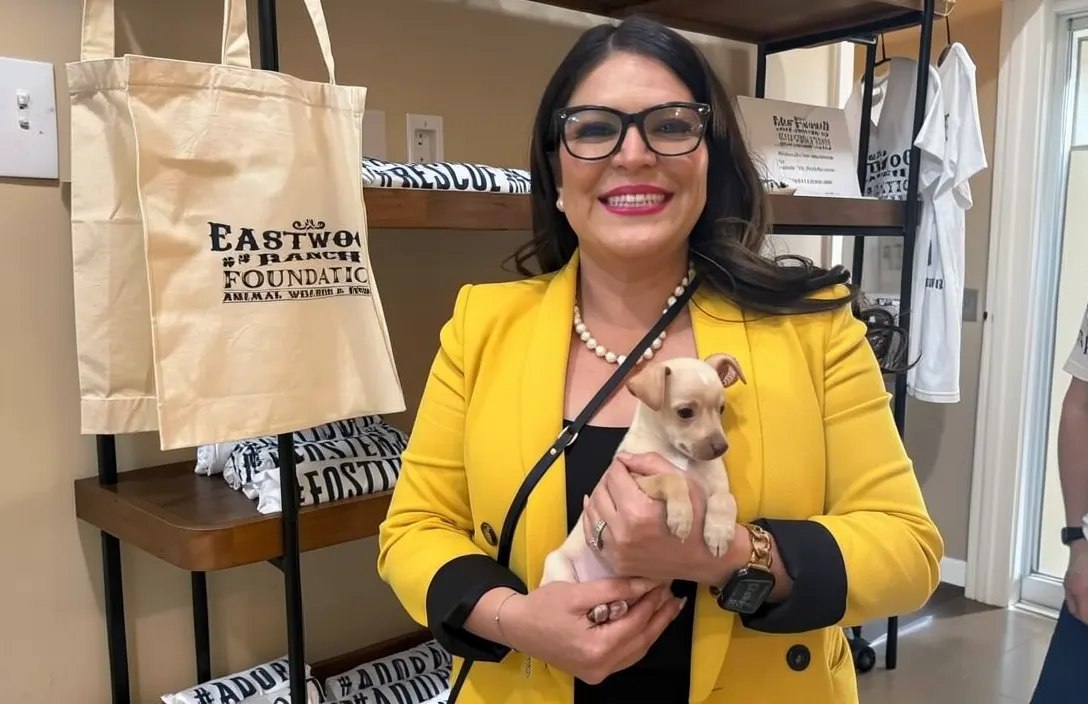
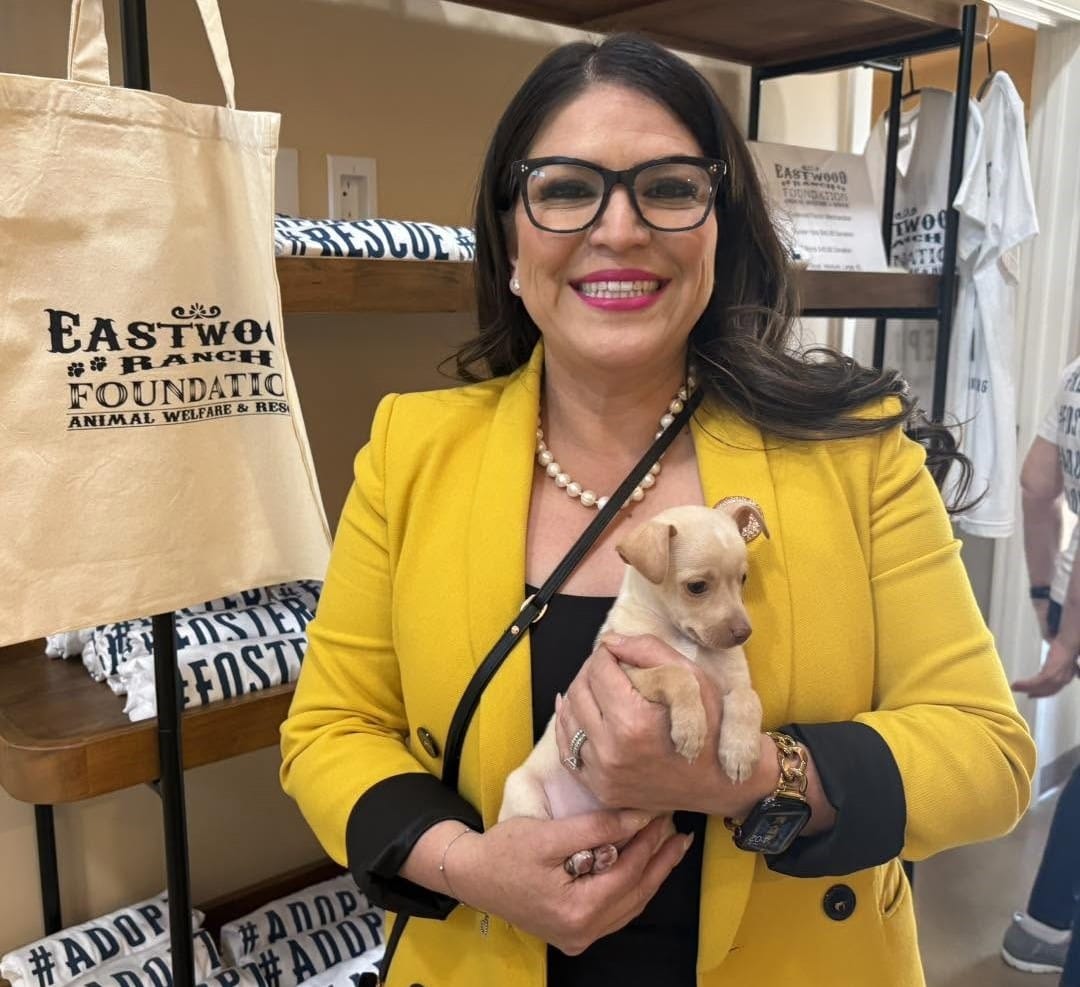
On Sept. 18, Gov. Gavin Newsom approved and signed Assembly Bill 2010, the SNIP (Spay and Neuter Improvements for Pets) Act (source ID: 1). The bill was authored and sponsored by Assemblymember Esmeralda Soria (D-Merced), with support from organizations including the American Society for the Prevention of Cruelty to Animals (ASPCA), Animal Balance, the San Diego Humane Society, and the California Veterinary Medical Board. The SNIP Act allows high-volume spay/neuter (HVSN) clinics and mobile animal sterilization (MASH) clinics to set up temporary operations in underserved areas, enabling them to sterilize as many pets as they can safely do. MASH clinics, which operate in non-traditional settings like high school gyms or community centers, are designed to provide efficient and affordable spay/neuter services to communities lacking access to veterinary care. [1]
The bill’s sponsors cited a long-standing pet overpopulation crisis in California, exacerbated by a shortage of veterinary professionals (source ID: 1). According to a summarized fact sheet, the lack of veterinary resources has resulted in insufficient spay/neuter procedures, contributing to a large number of stray and abandoned animals and the euthanasia of healthy pets, especially in underserved regions. Before the SNIP Act was signed into law, California veterinary clinics required dedicated surgical rooms for spay/neuter procedures, which slowed down high-volume operations and limited the use of MASH clinics. The new law removes these barriers, allowing veterinarians to perform spay/neuter procedures in temporary, pop-up clinics while maintaining surgical standards and veterinary oversight. [1]
Supporters of the bill argue that AB 2010 will help reduce the number of unwanted pets dying in shelters or on the streets by increasing access to affordable sterilization (source ID: 1). However, some advocates, like Zoey Knittel of the Community Animal Medicine Project (CAMP), note that the bill alone is not a complete solution. Knittel emphasized that the shortage of veterinarians remains a major barrier to expanding access to care, and that the bill does not address follow-up care for pets or the need for permanent state funding for low-cost clinics. While the SNIP Act provides a valuable tool for rural and underserved areas, concerns remain about the long-term sustainability of mobile clinic operations and the adequacy of post-surgical care for pets in these communities. [1]
On Sept. 18, Gov. Gavin Newsom signed Assembly Bill 2010, the SNIP (Spay and Neuter Improvements for Pets) Act, which allows high-volume spay/neuter (HVSN) clinics and mobile animal sterilization (MASH) clinics to operate in underserved areas of California (source ID: 1). The bill was authored by Assemblymember Esmeralda Soria (D-Merced), with support from organizations such as the American Society for the Prevention of Cruelty to Animals (ASPCA), Animal Balance, the San Diego Humane Society, and the California Veterinary Medical Board. The bill's sponsors cited a long-standing pet overpopulation crisis, exacerbated by a shortage of veterinary professionals, as the primary motivation for the legislation (source ID: 1). [1]
Advertisement
AB 2010 permits MASH clinics to set up temporary operations in non-traditional settings, such as high school gyms or community centers, to perform 200-plus spays and neuters in a three-day period. This change was made possible by relaxing previous requirements that mandated separate, dedicated rooms for surgeries, which slowed down HVSN procedures and limited the use of MASH clinics (source ID: 1). According to the bill’s fact sheet, the veterinary shortage in California has contributed to a significant gap between the number of animals spayed and neutered and the number of pets requiring these services (source ID: 1). [1]
The bill aims to reduce the number of unwanted pets dying in shelters or on the streets by increasing access to affordable sterilization services. Supporters argue that AB 2010 will benefit rural areas, where veterinary care is often limited or nonexistent, and where people may not have access to clinics for miles (source ID: 1). However, some advocates, such as Zoey Knittel of the Community Animal Medicine Project (CAMP), have raised concerns that the bill does not fully address the most urgent issues, including the shortage of veterinarians and the lack of permanent state funding for low-cost care (source ID: 1). [1]
On Sept. 18, Gov. Gavin Newsom signed Assembly Bill 2010, the SNIP (Spay and Neuter Improvements for Pets) Act, which permits high-volume spay/neuter (HVSN) and mobile animal sterilization (MASH) clinics to operate in non-traditional settings such as high school gyms or community centers (source ID: 1). This new law allows these clinics to perform 200-plus spays and neuters in a three-day period, thereby increasing access to affordable sterilization services for pets in underserved communities (source ID: 1). [1]
The bill’s sponsors cited a long-standing pet overpopulation crisis in California, exacerbated by a shortage of veterinary professionals (source ID: 1). Supporters of the bill argue that AB 2010 will help reduce the number of unwanted pets dying in shelters or on the streets by increasing access to affordable sterilization (source ID: 1). The legislation is seen as a response to the challenges faced by rural areas, where veterinary care is often limited or nonexistent (source ID: 1). [1]
Advertisement
AB 2010 allows veterinarians to provide spay/neuter procedures in temporary, pop-up clinics, reducing the costs associated with these services and making them more accessible to pet owners (source ID: 1). Prior to the bill’s passage, California veterinary clinics required a separate, dedicated room for surgeries, which slowed down high-volume spay/neuter procedures and prohibited the use of MASH clinics (source ID: 1). [1]
On Sept. 18, Gov. Gavin Newsom signed Assembly Bill 2010, the SNIP (Spay and Neuter Improvements for Pets) Act, authored by Assemblymember Esmeralda Soria (D-Merced) (source ID: 1). The bill allows high-volume spay/neuter (HVSN) clinics and mobile animal sterilization (MASH) clinics to set up temporary operations in underserved areas, enabling them to perform 200-plus spays and neuters in a three-day period. MASH clinics are described as temporary, pop-up HVSN clinics that can be set up in non-traditional settings such as high school gyms or community centers to bring affordable sterilization services to communities in need (source ID: 1). [1]
The bill’s sponsors cited a long-standing pet overpopulation crisis in California, exacerbated by a shortage of veterinary professionals (source ID: 1). The summarized fact sheet states that while there are many contributing factors to this crisis, the simple fact is that California’s veterinary shortage has meant that the number of animals spayed and neutered every year has not kept up with the number of pets that need these services. The bill aims to reduce the number of unwanted pets dying in shelters, on streets, or in homes of people who can’t afford the procedure (source ID: 1). [1]
AB 2010 allows veterinarians to provide spay/neuter procedures in temporary, pop-up clinics, reducing the costs associated with these services and making them more accessible to pet owners (source ID: 1). The bill permits MASH clinics to operate in non-traditional settings, which allows for optimal efficiency and veterinary oversight. This change is intended to help address the challenges faced by rural and underserved communities, where access to veterinary care is often limited (source ID: 1). [1]
Advertisement
The Cali Reporter newsletter
The stories worth your time.
California, the country, and what comes next. Join our free newsletter for reporting that keeps you informed.
More in Long Beach
- Flu Activity Surges in Long Beach
Long Beach officials report a rise in influenza cases and two flu-related deaths this season, highlighting the importance of vaccination and public health measures.
- Signal Tribune Publishes Full Issue on November 20, 2026
The Signal Tribune released its full issue on November 20, 2026, featuring a variety of local news and community updates.
- Rebekah Rose's Artistic Journey and Queer Representation
Long Beach artist Rebekah Rose is redefining artistic norms through their work, which challenges traditional beauty standards and celebrates queer identity.