Health & Medicine
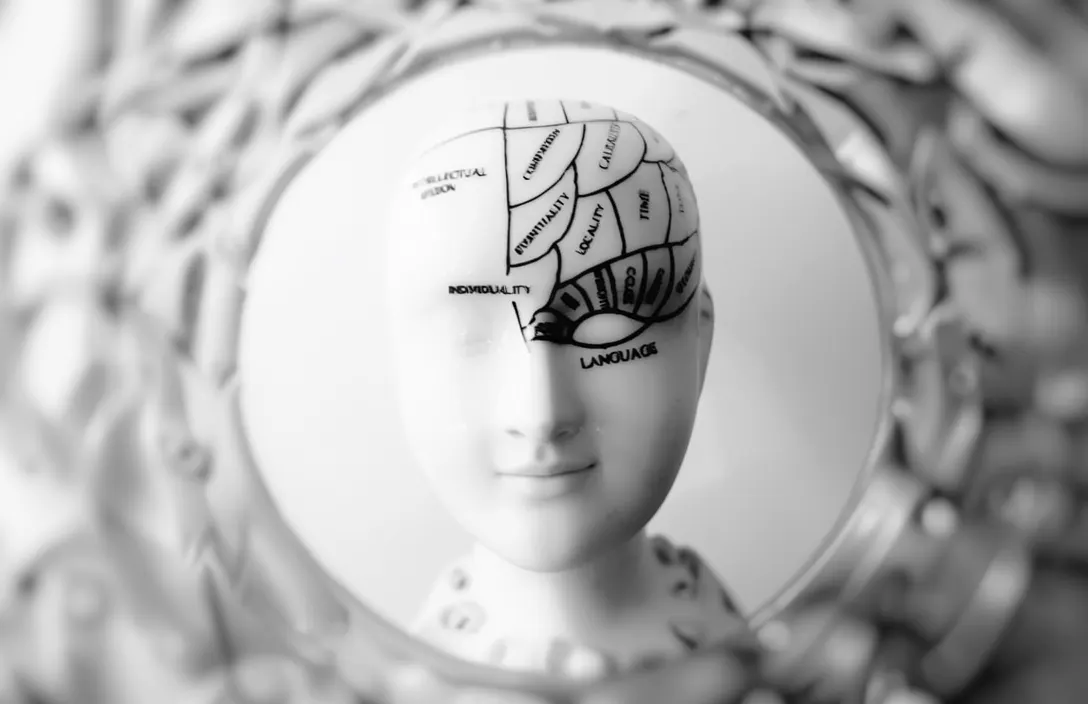
Brain Energy Mismatches in Schizophrenia
A new study explores the potential role of energy bottlenecks in brain cells in explaining fragmented experiences of time, space, and self in schizophrenia.
By Colin Ashworth · 8h ago
A new study explores the potential role of energy bottlenecks in brain cells in explaining fragmented experiences of time, space, and self in schizophrenia.

Brazil has recorded its first mpox-related death in 2026, but public health officials are not classifying the current surge in cases as an outbreak, according to the Fiocruz Institute.
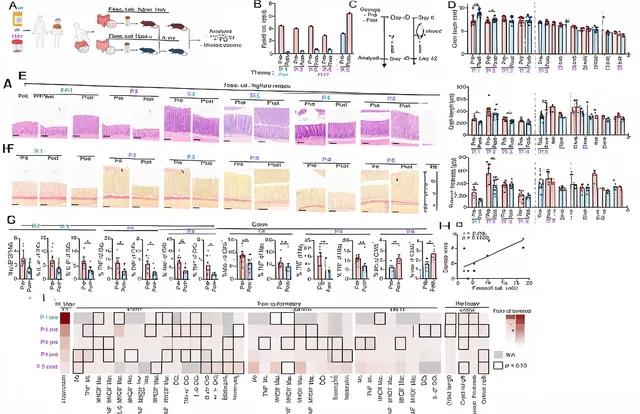
A study led by Dr. Lukas Mager and Prof. Kathy McCoy has identified two gut bacteria that promote inflammation in inflammatory bowel disease, opening the door for personalized treatments.
A study using stem cell-derived models suggests that PFOS, a persistent PFAS compound, can interfere with early human development processes.
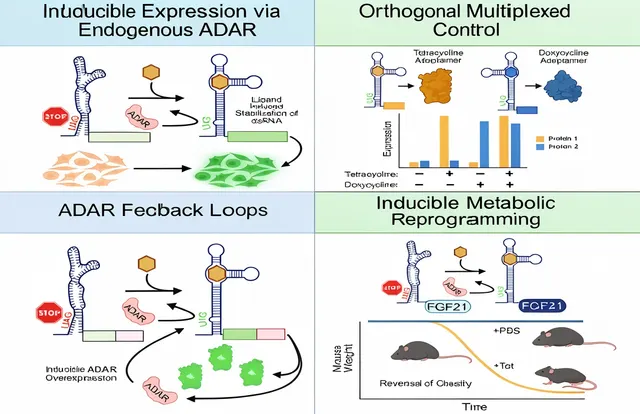
Researchers have developed a new technology that allows drugs to control when cells produce therapeutic proteins, potentially improving the safety and adaptability of gene therapies.

A recent review has found a connection between air pollution and an increased prevalence of atopic dermatitis in children.
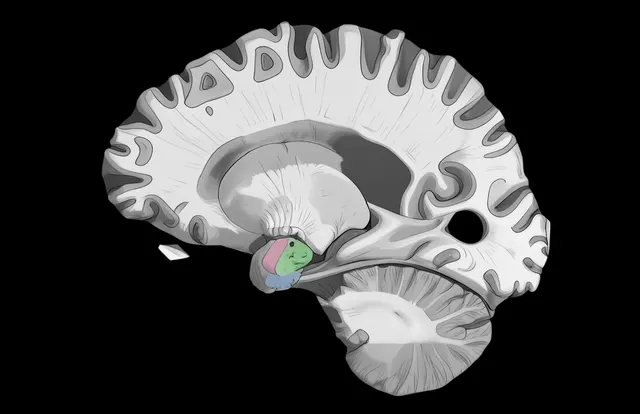
New research suggests that Alzheimer's disease may leave detectable clues in the brain up to a decade before memory problems appear, potentially allowing for earlier treatment.
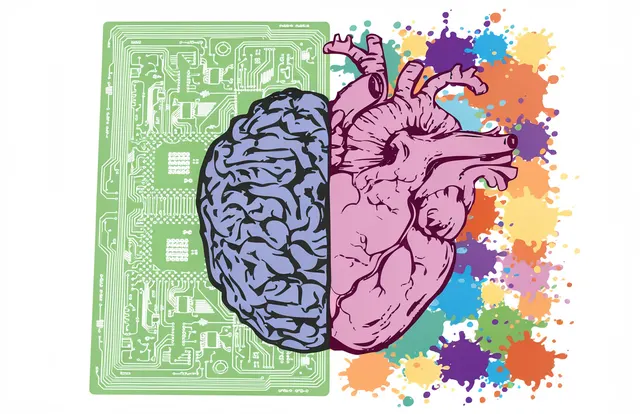
A study published in eNeuro suggests that brain-heart interactions could predict survival and recovery after oxygen loss in a rat model, potentially informing future human research.

Editors of over 100 international journals have called for health professionals to keep health at the center of discussions on nuclear risk amid rising global tensions.
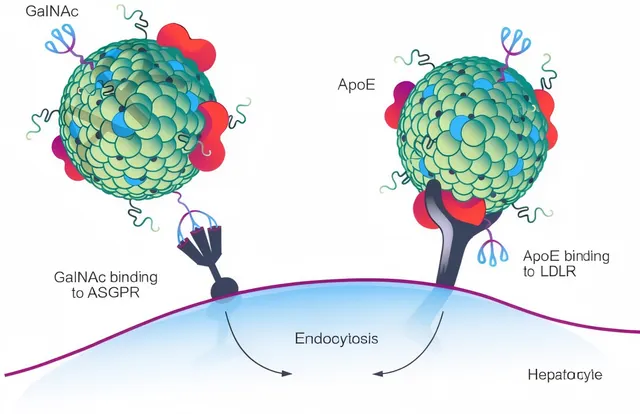
A single CRISPR-based gene-editing treatment has been shown to significantly lower blood fats in monkeys for three years, according to a study published in Nature.

Recent advancements in brain-computer interfaces (BCIs) are providing new communication tools for individuals with paralysis, as demonstrated in clinical trials and research presented at Neuroscience 2026.
New findings presented at Neuroscience 2026 suggest that sex differences influence the progression and treatment of neurological disorders such as Alzheimer's disease and fibromyalgia.
Recent research highlights the development of new biomarkers that may improve the detection and treatment of neurological and psychiatric disorders, including Alzheimer's disease and depression.
The integration of artificial intelligence (AI) into neuroscience is transforming how scientists analyze brain data and develop computational models, according to findings presented at Neuroscience 2026.

A new approach to diagnosing obesity, which incorporates measurements of abdominal fat and organ function, has been found to be more accurate than the traditional body mass index (BMI) method. The study highlights the…

A small study suggests that exposure to pink noise during sleep may slightly improve memory in individuals with early-stage Alzheimer’s disease.
Hepatitis B remains a significant global health issue, with challenges in access to care and treatment, particularly in regions with limited healthcare infrastructure.
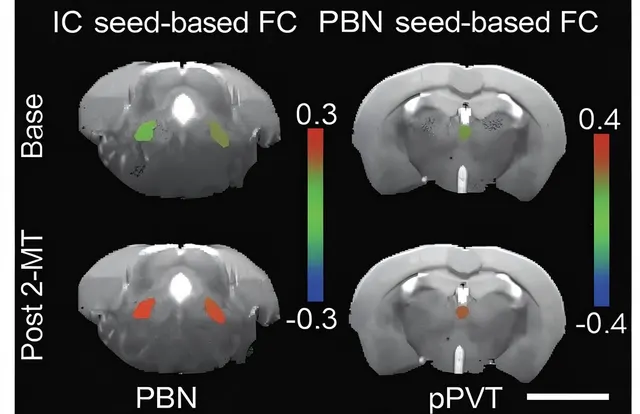
A study published in Molecular Psychiatry identifies a brain pathway linked to anxiety-like behavior in mice exposed to predator-like odors.
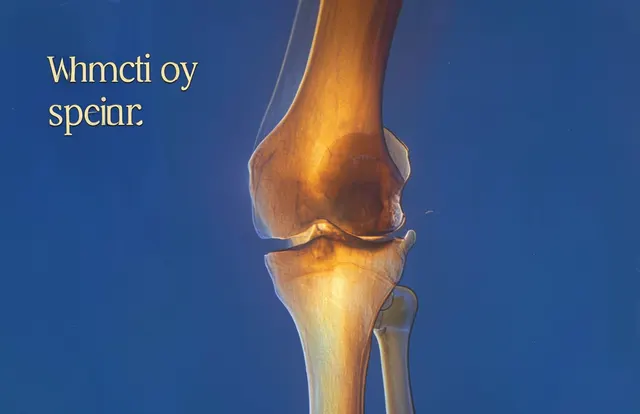
A study suggests that a drug commonly used to prevent blood clots may also reduce cartilage damage and relieve osteoarthritis pain in animals, offering a potential new approach to treating the condition.
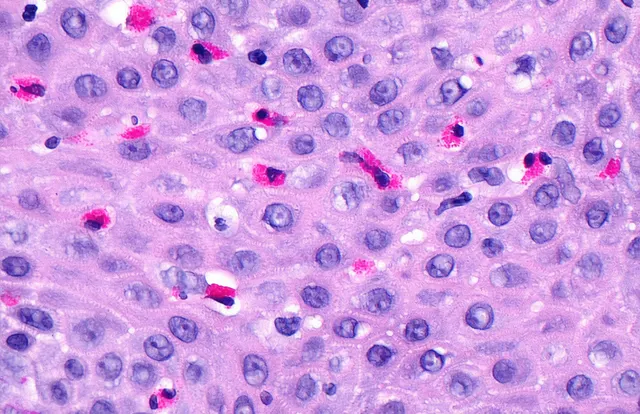
Eosinophilic oesophagitis (EoE) is being misdiagnosed as severe allergic reactions, according to new research presented at a medical conference.

Artificial intelligence is being used to improve the precision of brain implants designed to restore vision to blind individuals, according to a study by researchers from UC Santa Barbara and other institutions.

A large-scale study has found that the increased risk of premature birth associated with GLP-1 receptor agonists like Ozempic and Wegovy may be due to diabetes rather than the medications themselves, when used for…

A study by researchers at Semmelweis University suggests that high-intensity physical activities, such as football and handball, may be more effective at stimulating new bone formation than low-intensity exercises like…
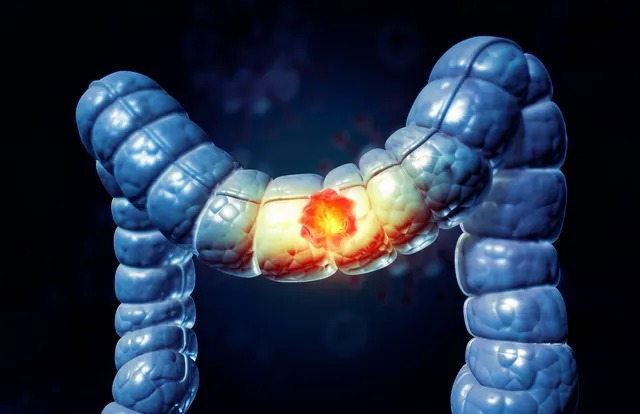
Colorectal cancer rates in the United States have begun to rise again after more than two decades of decline, according to new research published in NEJM Evidence. The increase is observed across nearly every age group…
Research has uncovered a surprising link between fructose and the spread of ovarian cancer following chemotherapy. This discovery raises new questions about the potential impact of diet and cholesterol-lowering…