New Targeted Therapy for Gum Disease Shows Promise in Early Studies
Researchers in Japan have developed a novel treatment for gum disease that selectively targets harmful bacteria while preserving beneficial microbes, according to a study published in the Journal of Translational…

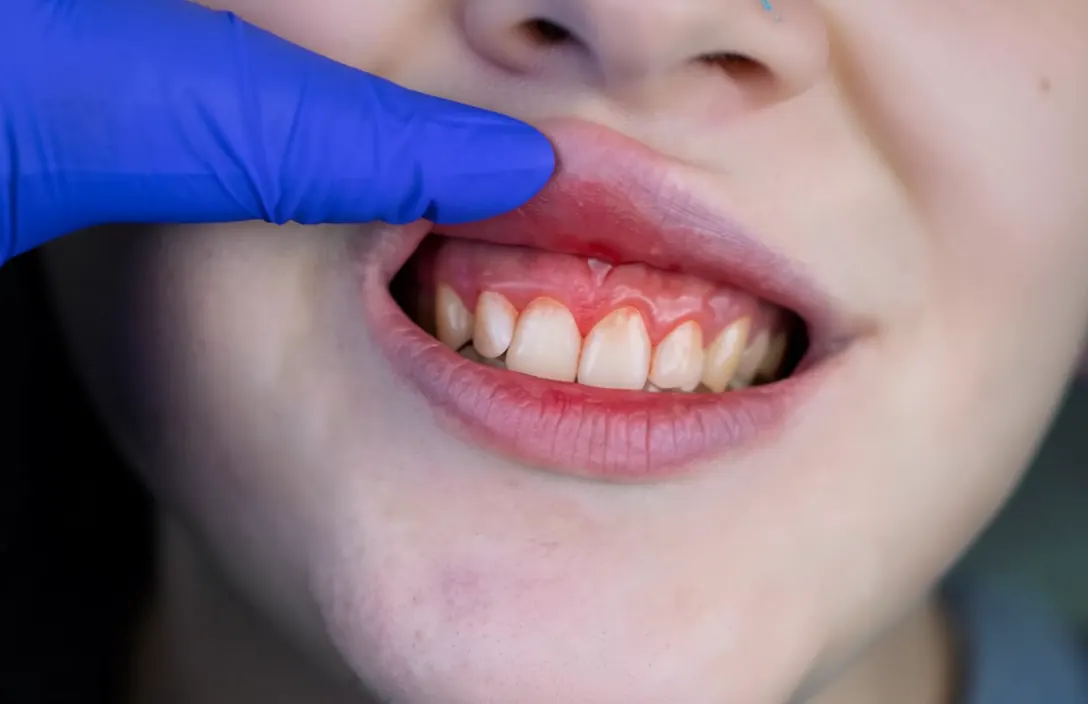
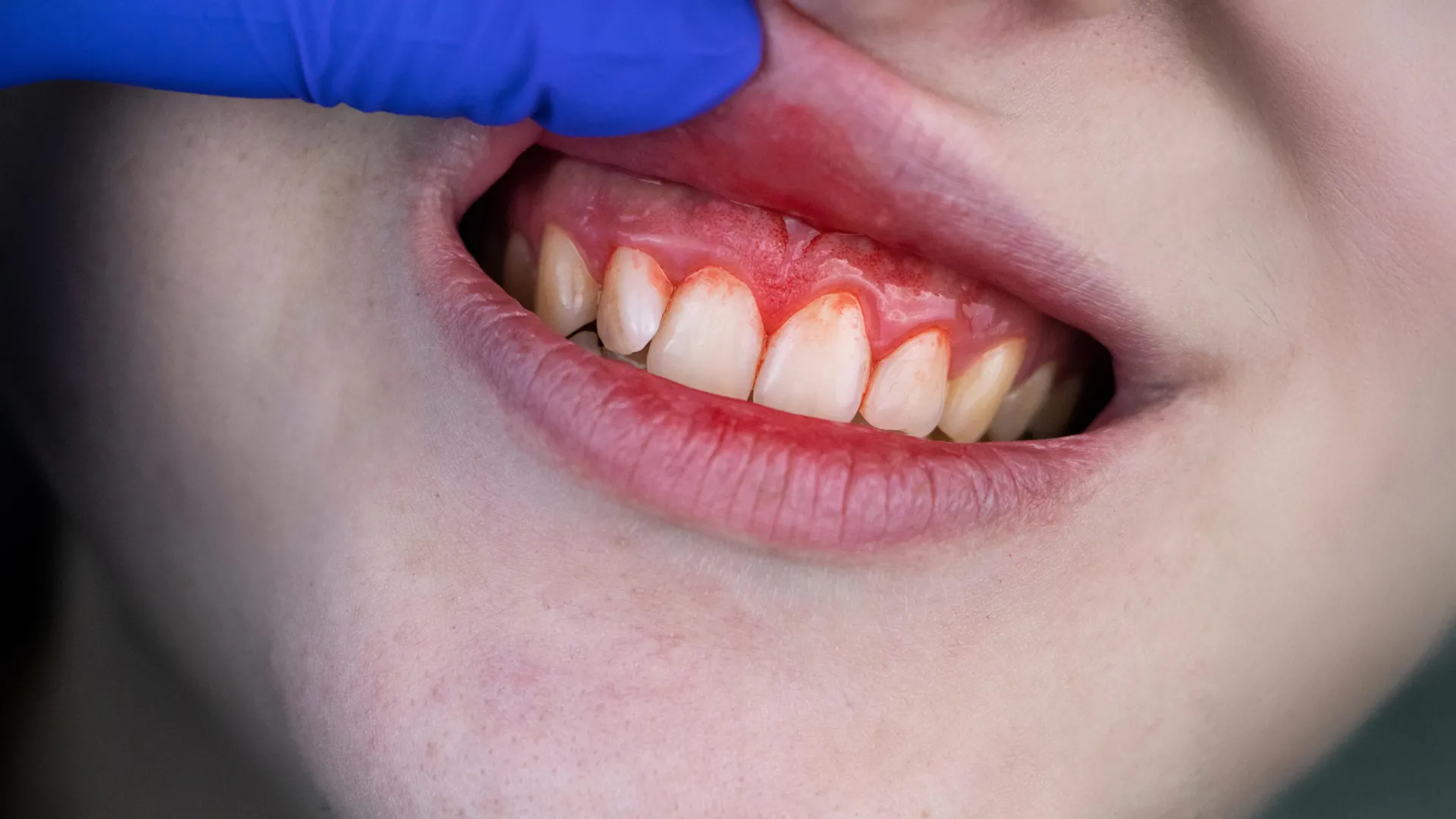
A new treatment for gum disease, developed by scientists at Nagoya University, uses a combination of antibodies from egg yolks and near-infrared light to selectively eliminate harmful bacteria without disrupting beneficial microbes (1). This approach, known as near-infrared photo-antibacterial targeting therapy (NIR-PAT²), was tested in human cell cultures and mice and showed potential in treating periodontitis, a severe form of gum disease that can lead to tooth loss (1). Unlike conventional treatments that can eliminate both harmful and beneficial bacteria, the new therapy specifically targets Porphyromonas gingivalis, a keystone pathogen linked to gum disease (1). [1]
The treatment uses IgY, a type of antibody collected from the egg yolks of immunized hens, which can be produced in large quantities at a relatively low cost (1). This makes the approach more practical for developing targeted treatments that are affordable and scalable (1). In laboratory experiments, the antibody and dye combination attached specifically to P. gingivalis, and exposure to near-infrared light activated the dye, causing damage to the bacteria’s outer membranes and ultimately killing them (1). This selective targeting helped preserve the structure of the targeted bacteria, potentially reducing inflammation caused by the release of harmful substances (1). [1]
In mice with periodontitis, the experimental therapy significantly reduced the loss of alveolar bone, which supports teeth (1). Analysis of the animals' saliva revealed that the treatment preserved beneficial Streptococcus bacteria, maintaining a healthier balance of microorganisms in the mouth (1). Conventional antibiotics and antimicrobial photodynamic therapy, on the other hand, eliminated both harmful and beneficial bacteria, causing broader disruption to the oral microbial community (1). The researchers plan to use artificial intelligence to identify additional targets for future therapies, as periodontitis involves multiple bacterial species (1). [1]
A new treatment for gum disease, developed by scientists at Nagoya University, uses a combination of antibodies from egg yolks and near-infrared light to selectively eliminate harmful bacteria without disrupting beneficial microbes (1). The treatment uses IgY, a type of antibody collected from the egg yolks of immunized hens, which can be produced in large quantities at a relatively low cost (1). This approach is designed to target specific microbes responsible for damaging gums and the bone that supports teeth, unlike conventional treatments that can eliminate both good and bad bacteria (1). [1]
Advertisement
The new therapy, called near-infrared photo-antibacterial targeting therapy (NIR-PAT²), was developed by researchers at Nagoya University Graduate School of Medicine (1). Laboratory experiments showed that the antibody and dye combination attached specifically to Porphyromonas gingivalis, a harmful bacterial species, while leaving other bacterial species and healthy human gum cells unaffected (1). When the targeted bacteria were exposed to near-infrared light, the activated dye damaged their outer membranes, ultimately killing them without causing the bacteria to break apart completely (1). [1]
In mice with periodontitis, the experimental therapy significantly reduced the loss of alveolar bone, which supports teeth (1). Analysis of the animals' saliva revealed that the treatment reduced P. gingivalis while preserving beneficial Streptococcus bacteria, helping maintain a healthier balance of microorganisms in the mouth (1). Conventional antibiotics and antimicrobial photodynamic therapy, on the other hand, eliminated both harmful and beneficial bacteria in the experiments, causing broader disruption to the oral microbial community (1). [1]
Scientists at Nagoya University have developed a new treatment for gum disease that selectively eliminates harmful bacteria while preserving beneficial microbes (1). The therapy, known as near-infrared photo-antibacterial targeting therapy (NIR-PAT²), uses antibodies from egg yolks combined with near-infrared light to target specific bacteria responsible for periodontitis (1). This approach differs from conventional treatments that can harm both harmful and beneficial oral bacteria (1). [1]
The treatment uses IgY, a type of antibody collected from the egg yolks of hens immunized against the pathogen Porphyromonas gingivalis (P. gingivalis), which is a keystone pathogen in gum disease (1). The researchers adapted a technology originally developed for cancer treatment, called near-infrared photoimmunotherapy, to target P. gingivalis without affecting other oral bacteria (1). This method may offer a more precise and less disruptive approach to treating periodontitis (1). [1]
Advertisement
In experiments with mice suffering from periodontitis, the new therapy significantly reduced the loss of alveolar bone, which supports teeth (1). The treatment also preserved beneficial Streptococcus bacteria in the oral microbiome, unlike conventional antibiotics and antimicrobial photodynamic therapy, which eliminate both harmful and beneficial bacteria (1). These findings suggest that the approach could help maintain a healthier balance of oral microbes while targeting disease-causing bacteria (1). [1]
Scientists at Nagoya University have developed a new treatment for gum disease that selectively eliminates harmful bacteria while preserving beneficial microbes (1). The treatment uses IgY, a type of antibody collected from the egg yolks of hens immunized against the pathogen Porphyromonas gingivalis (P. gingivalis), which is a key contributor to periodontitis (1). This approach allows for targeted destruction of harmful bacteria without disrupting the overall oral microbial ecosystem (1). [1]
In experiments with mice suffering from periodontitis, the new therapy significantly reduced the loss of alveolar bone, which supports teeth (1). The treatment, called near-infrared photo-antibacterial targeting therapy (NIR-PAT²), was developed by researchers at Nagoya University Graduate School of Medicine (1). This method uses a combination of antibodies obtained from egg yolks and near-infrared light to target specific harmful bacteria (1). [1]
Unlike conventional treatments that can eliminate both good and bad bacteria, the new therapy is designed to target specific microbes responsible for damaging gums and the bone that supports teeth (1). Laboratory experiments showed that the antibody and dye combination attached specifically to P. gingivalis, while leaving other bacterial species and healthy human gum cells unaffected (1). This selective targeting could help limit the release of substances that contribute to inflammation (1). [1]
Advertisement
The Cali Reporter newsletter
The stories worth your time.
California, the country, and what comes next. Join our free newsletter for reporting that keeps you informed.
More in Health & Medicine
- Brain Cells Identified as Key to Regulating Sleep Pressure
Scientists have discovered two groups of brain cells in mice that become more active with prolonged wakefulness, playing a crucial role in generating the need for sleep.
- Converted Shipping Container Offers Mental Health Relief in South Africa
A repurposed shipping container in Orange Farm, South Africa, has become a unique mental health resource for residents, particularly those in underserved communities.
- Brain Mapping Reveals Stages of Hand Ownership Perception
A study from Karolinska Institutet has identified three distinct phases of brain activity linked to the perception that a hand belongs to the body, offering new insights into body perception and potential implications…