571 Babies Studied Reveal How Your Baby’s First Gut Bugs Might Predict Future Brain Health
New research connects early biology to behavior and suggests future interventions.

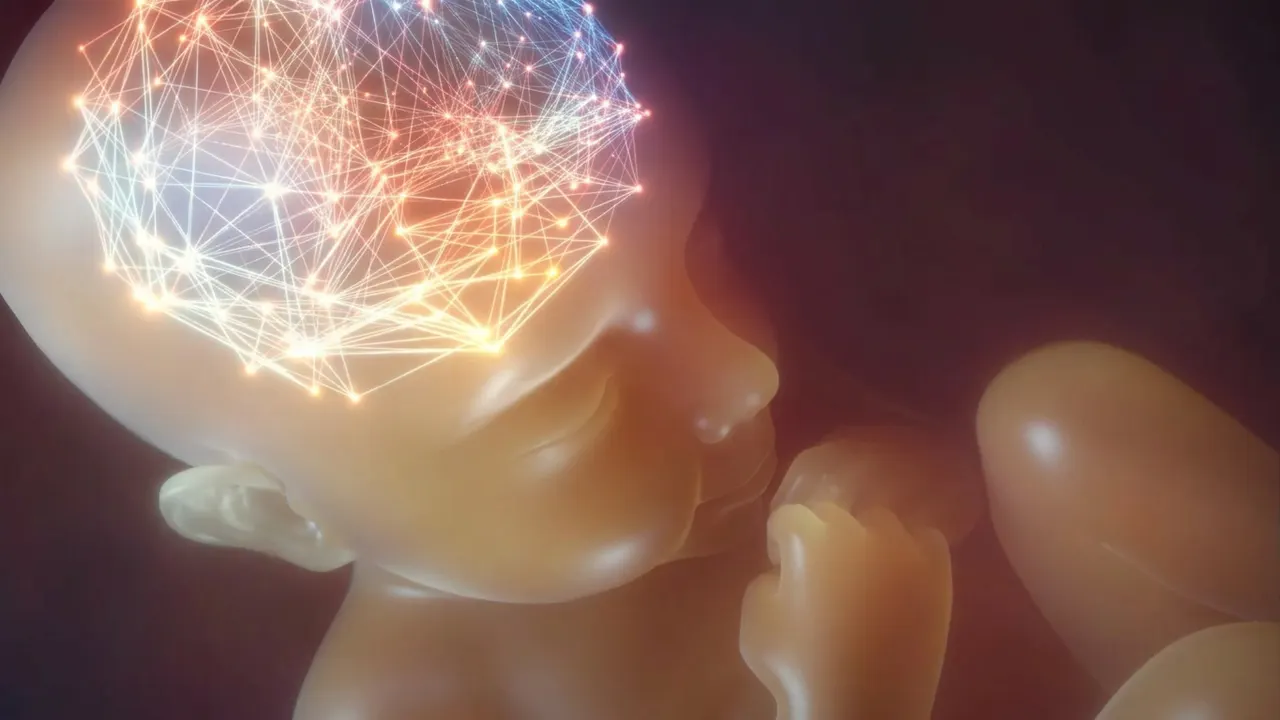
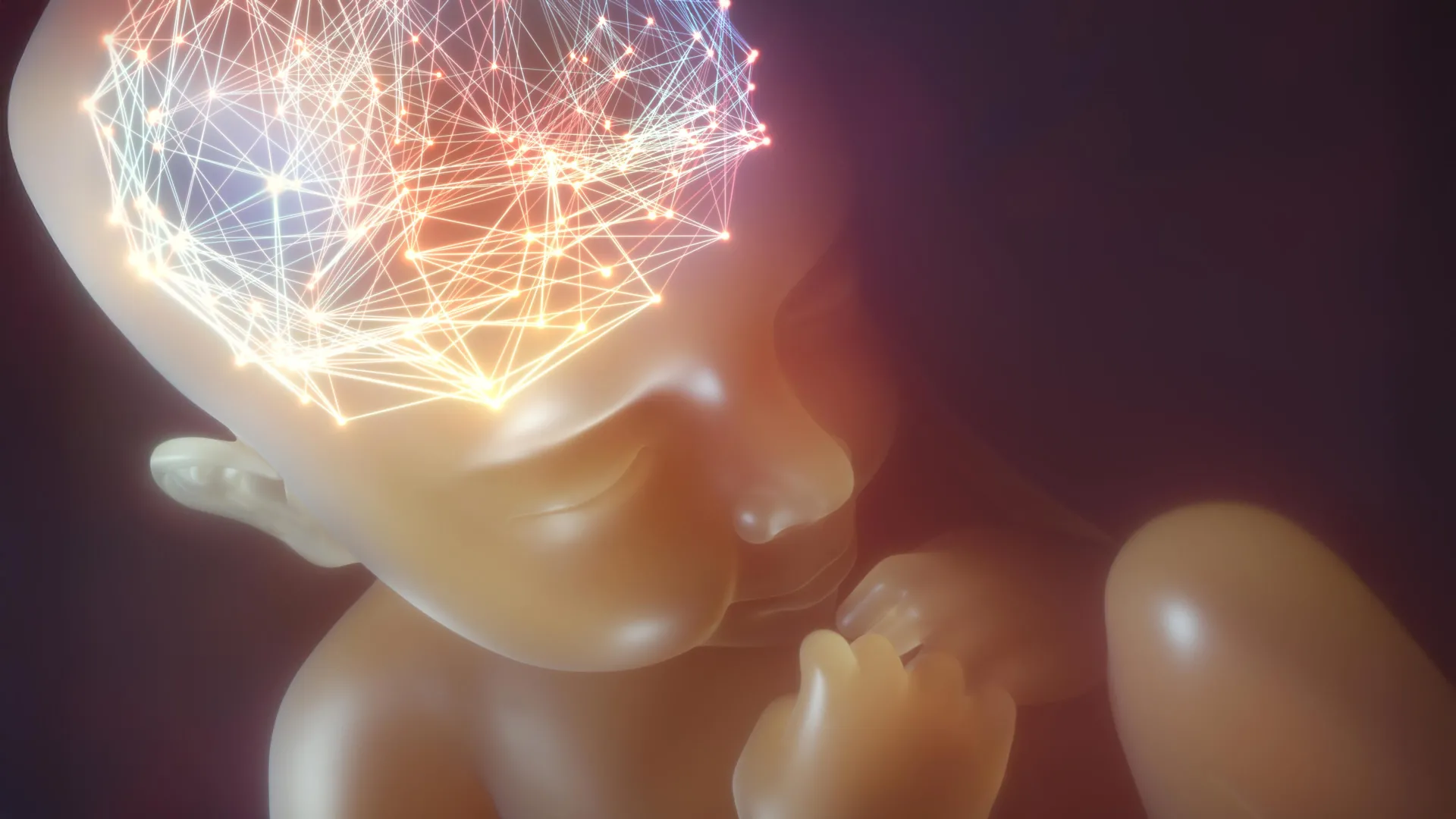
We often wonder about the invisible threads that bind our children to us and to their futures. There is a quiet anxiety that comes with watching a newborn grow, wondering if we are doing everything right. Science, in its gentle way, is beginning to answer some of these questions. A recent study published in Cell Press Blue has uncovered a surprising connection between a baby's earliest biological programming, the gut microbiome, and later brain development. This research suggests that epigenetic changes present at birth can influence how gut bacteria develop during infancy and may even influence signs of autism spectrum disorder (ASD) and Attention-Deficit/Hyperactivity Disorder (ADHD) by the time a child is three years old.
The first few years of life are a critical period for both brain development and the maturation of the immune system. You might picture these early years as a blank canvas, but new findings indicate there is already a conversation happening before we even meet our children.
Advertisement
First reported by ScienceDaily: Relationships.
The Cali Reporter newsletter
The stories worth your time.
California, the country, and what comes next. Join our free newsletter for reporting that keeps you informed.
More in Relationships
- Family Relationships May Influence Well-Being of Poor Taiwanese Adolescents
A study of Taiwanese adolescents in poverty suggests that family relationships may play a key role in explaining the link between material deprivation and psychological distress, as well as substance use.
- Aggressive Personality Traits and Jealousy in Romantic Relationships
A new study explores how aggressive personality traits and specific love styles contribute to jealousy in romantic relationships.
- Early Brain Differences in Dyslexia Linked to Visual Processing Before Formal Reading
A longitudinal study published in Developmental Cognitive Neuroscience reveals that children who later develop dyslexia already show distinct neural responses to written words in kindergarten, before formal reading…