NASA's Ames Research Center: A Pillar of Innovation in Silicon Valley
NASA's Ames Research Center, located in California's Silicon Valley, has been a cornerstone of aerospace research and development since its founding in 1939. The center has contributed significantly to NASA's missions,…

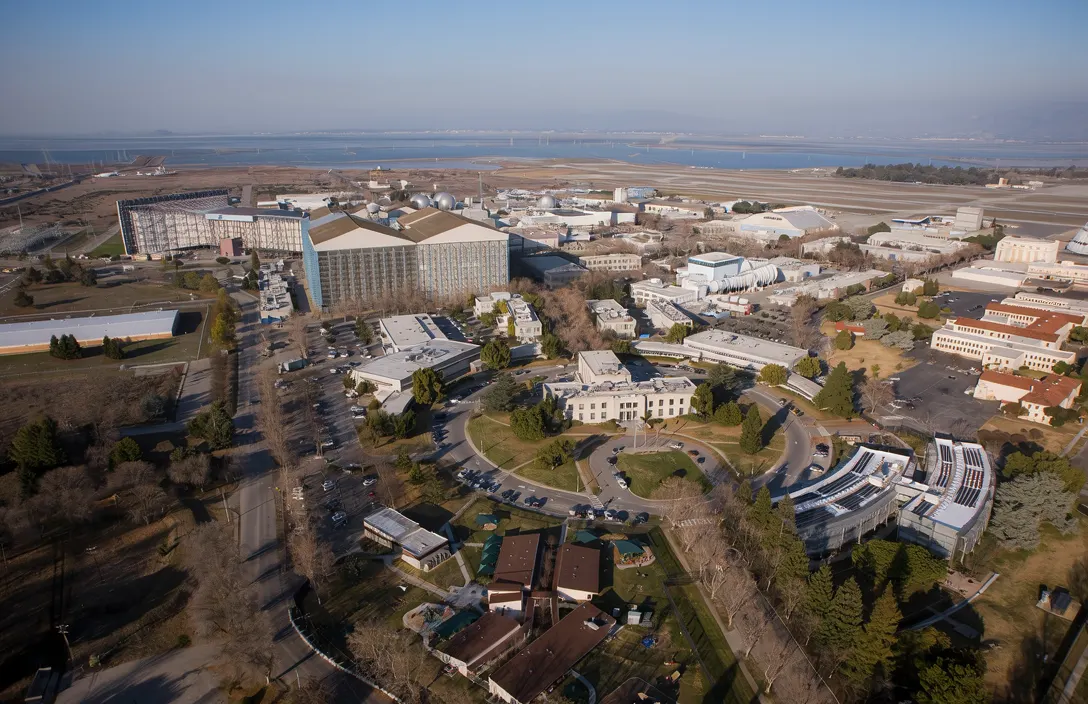

NASA’s Ames Research Center, one of ten NASA field centers, is located in the heart of California’s Silicon Valley (1). Established on December 20, 1939, as part of the National Advisory Committee for Aeronautics (NACA), Ames transitioned into NASA’s structure in 1958 (3). Since its inception, Ames has conducted world-class research and development in aeronautics, exploration technology, and science aligned with the center’s core capabilities (1). The facility has played a crucial role in shaping the fields of aerodynamics, thermodynamics, simulation, space and life sciences, and intelligent systems (3). [1] [3]
Ames has made significant contributions to NASA’s missions, including the Nancy Grace Roman Space Telescope. Researchers at Ames have advanced the mission using the center’s facilities, expertise, and innovations (1). The center is also home to the world's largest wind tunnel, a subsonic tunnel over 1,400 feet long and 180 feet high, which tests planes with wing spans of up to 100 feet (3). This facility, along with NASA’s fastest supercomputers and other unique capabilities, has been essential in the development and testing of spacecraft such as the Curiosity rover and SpaceX’s Dragon capsule (3). [1] [3]
Ames Research Center applies the spirit of Silicon Valley to NASA's mission, leveraging the region’s innovation and entrepreneurship to advance exploration (3). The center is involved in various experimental projects and leads national research initiatives, including the development of safe skies for commercial drones, flying cars, and today’s aircraft (3). Ames has also contributed to three of the last five NASA lunar science missions and is currently working on multiple instrument concepts to study lunar geology and biological sciences (3). [3]
The center continues to play a vital role in shaping the future of space exploration, aeronautics, and science. With its focus on advanced computing, intelligent systems, and space and Earth science, Ames is at the forefront of cutting-edge research that impacts both NASA’s missions and everyday life on Earth (1). The legacy of Ames, from its origins in NACA to its current role in NASA, underscores its enduring influence on aeronautics and space exploration (3). [1] [3]
Advertisement
NASA’s Ames Research Center, one of ten NASA field centers, is located in the heart of California’s Silicon Valley (1). The center was established on December 20, 1939, as part of the National Advisory Committee for Aeronautics (NACA) and transitioned to NASA in 1958 (3). Since its founding, Ames has played a pivotal role in advancing research in aeronautics, space exploration, and science. The center has been instrumental in developing technologies that have influenced everyday life, from air travel to the understanding of life beyond Earth (3). [1] [3]
Ames has made significant contributions to NASA’s missions, including the Nancy Grace Roman Space Telescope. Researchers at Ames have leveraged the center’s facilities, expertise, and innovations to advance the mission’s scientific objectives (1). The research conducted at Ames has not only supported NASA’s exploration goals but has also driven advancements in fields such as aerodynamics, thermodynamics, simulation, and intelligent systems (3). These contributions have been crucial in shaping the future of space exploration and aeronautics (1). [1] [3]
The center continues to play a vital role in shaping the future of space exploration, aeronautics, and science (3). Ames Research Center applies the spirit of Silicon Valley to NASA’s mission, leveraging the region’s innovation and entrepreneurship to advance exploration (3). The center is home to unique facilities, including the world’s largest wind tunnel and NASA’s fastest supercomputers, which are essential for solving complex problems in space science and aeronautics (3). [3]
Ames has a long history of collaboration with industry and academia, fostering partnerships that drive technological innovation. For example, the center has worked with companies such as Nissan North America, Google, and Uber to develop concepts for autonomous vehicles and air traffic management systems (3). These collaborations highlight Ames’ commitment to integrating cutting-edge research with practical applications that benefit both public and private sectors (3). [3]
Advertisement
NASA’s Ames Research Center, one of ten NASA field centers, is located in the heart of California’s Silicon Valley (1). Since its establishment in 1939, Ames has been instrumental in conducting world-class research and development in aeronautics, exploration technology, and science. The center has evolved from its origins as part of the National Advisory Committee for Aeronautics (NACA) to become a cornerstone of NASA’s mission, focusing on innovation and technological advancement (3). Ames is home to the world's largest wind tunnel, a critical facility for testing aircraft and spacecraft, reflecting its commitment to advancing aerospace engineering (3). [1] [3]
Ames has played a significant role in shaping the future of space exploration, contributing to major NASA missions such as the Nancy Grace Roman Space Telescope (3). The center’s expertise in advanced computing and IT systems enables NASA to perform complex simulations and modeling essential for space missions (3). Additionally, Ames has been at the forefront of research in biology and astrobiology, exploring the potential for life beyond Earth and understanding how life adapts in space (3). This work is crucial for future missions to the Moon and Mars, where human survival and exploration will depend on such scientific insights (3). [3]
The location of Ames in Silicon Valley has fostered unique partnerships with industry and academia, leveraging the region’s entrepreneurial spirit and technological innovation (3). These collaborations have led to groundbreaking advancements in areas such as air traffic management and intelligent systems, which are vital for the future of aviation and space exploration (3). Furthermore, Ames has been a key player in developing technologies for autonomous vehicles, working with companies like Google and Uber to create safer and more efficient transportation systems (3). This integration of public and private innovation underscores Ames’ role in shaping the future of both space and Earth-based technologies (3). [3]
Ames continues to be a leader in NASA’s exploration efforts, contributing to numerous projects that aim to expand humanity’s understanding of the universe (3). The center’s historical contributions have laid the foundation for current and future missions, including research on lunar geology and the development of cost-effective space missions (3). As NASA looks to the Moon and Mars, Ames’ expertise and facilities will be essential in achieving these ambitious goals (3). The center remains a vital part of NASA’s mission, ensuring that the spirit of innovation and exploration continues to drive scientific progress (3). [3]
Advertisement
NASA’s Ames Research Center, located in California’s Silicon Valley, has long been a hub for innovation and research in aeronautics, space exploration, and advanced computing. As the center continues to play a pivotal role in NASA’s missions, including the Nancy Grace Roman Space Telescope, it is also adapting to the changing landscape of space exploration (1). One open question is how Ames will integrate emerging technologies such as artificial intelligence and machine learning into its research and development efforts. These technologies could revolutionize areas like autonomous systems, data analysis, and mission planning, but their implementation will require significant investment and collaboration with industry partners (3). [1] [3]
Another key area of interest is Ames’ potential role in future lunar and Mars exploration initiatives. The center has a history of leading lunar science missions and has contributed to numerous projects aimed at expanding humanity’s understanding of the universe (3). As NASA prepares for a return to the Moon and eventual missions to Mars, Ames’ expertise in entry systems, intelligent adaptive systems, and space and Earth science will be critical (3). However, it remains unclear how Ames will coordinate with other NASA centers and private companies to ensure seamless integration of technologies and strategies for these ambitious missions (3). [3]
Ames’ location in Silicon Valley has historically fostered strong partnerships with industry and academia, leveraging the region’s entrepreneurial spirit and technological innovation (1). As the private space industry continues to grow, with companies like SpaceX and Blue Origin playing an increasingly prominent role, it is unclear how Ames will navigate the evolving relationship between government agencies and private enterprises (3). Will Ames take on a more collaborative or regulatory role in the future? This remains an open question as the space industry undergoes rapid transformation (3). [1] [3]
Finally, the center’s ability to maintain its historical legacy while adapting to modern challenges will be a key factor in its future success. Ames has been a leader in NASA’s exploration efforts for decades, contributing to major projects that have advanced scientific understanding and technological capabilities (3). As it continues to push the boundaries of space exploration, Ames will need to balance its long-standing research traditions with the need for innovation and efficiency in an increasingly competitive environment (3). What steps will Ames take to ensure it remains at the forefront of NASA’s mission in the years ahead? This is a question that will shape the future of the center and its contributions to space exploration (3). [3]
Advertisement
Editorial note: This article is sourced. Some claims are awaiting further verification.
Sources
Prepared with AI assistance from the cited sources.
The Cali Reporter newsletter
The stories worth your time.
California, the country, and what comes next. Join our free newsletter for reporting that keeps you informed.
More in Technology
- Google Play's Closed Testing Requirements and the Importance of Feedback
Google Play's closed testing rule emphasizes the need for developers to gather meaningful feedback from testers, not just track app installs. This approach ensures that real user experiences are evaluated and addressed…
- World Diabetes Day 2026 Focuses on Early Diagnosis and Awareness
The 2026 World Diabetes Day campaign emphasizes the importance of early diagnosis, equitable access to care, and reducing diabetes stigma, according to the WHO. The theme 'Early action on diabetes' highlights the need…
- Understanding Memory Usage on Linux VPS
This article explains how to accurately interpret memory usage on a Linux VPS, focusing on the importance of the 'available' metric and the potential pitfalls of relying on the 'free' column.