Bryant Street Upgrade Advances With Council Backing, Design Questions Open
Palo Alto's council unanimously approved traffic circles and crosswalk changes for the nation's first bike boulevard, while directing staff to explore speed tables and a lower speed limit.

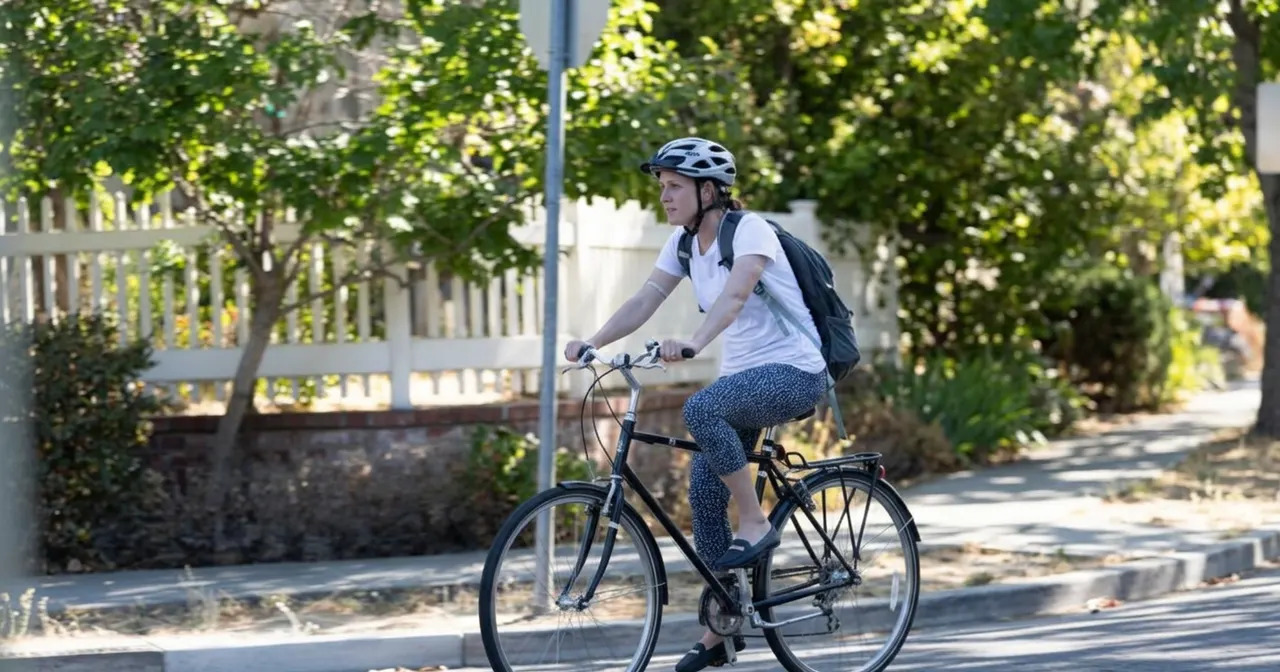
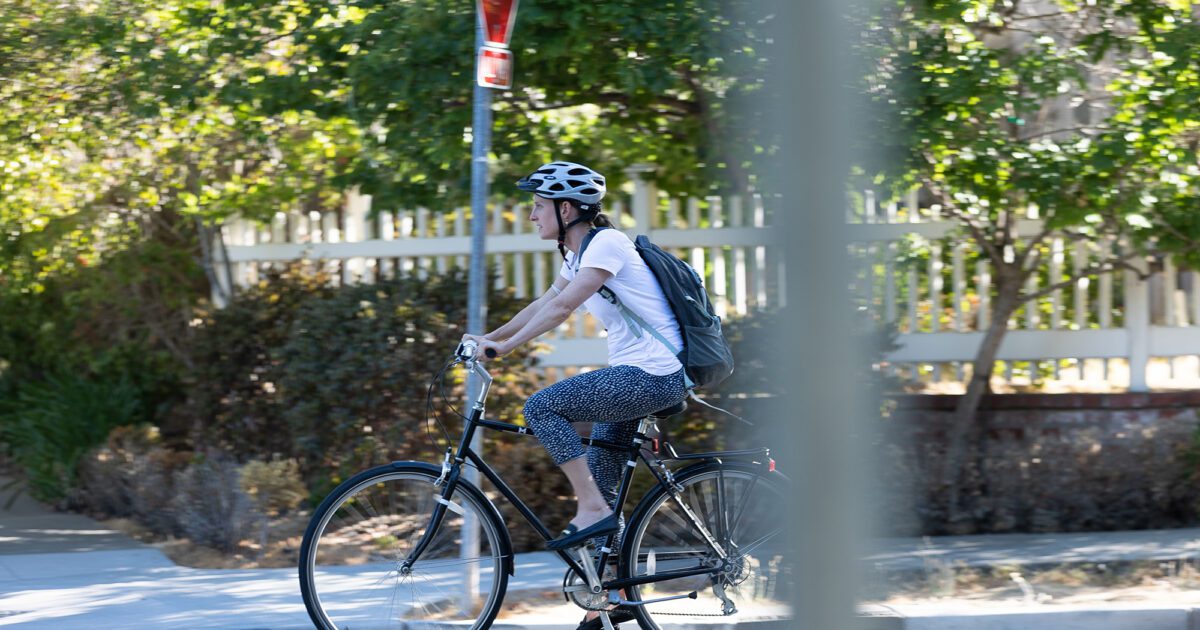
A Palo Alto Weekly story republished by San Jose Spotlight reports that the Palo Alto City Council voted unanimously to approve a suite of improvements for Bryant Street in Professorville that includes traffic circles, curb extensions and other changes. The package calls for new traffic circles where Bryant meets Lincoln and Kingsley avenues, revisions to the circle at Bryant and Addison, and more visible crosswalks from Homer Avenue to Embarcadero Road. The report says the vote followed almost two years of design work, analysis and neighborhood outreach. [1]
The work is focused on the segment between Homer and Embarcadero as Bryant approaches downtown. Ozzy Arce, a senior transportation planner, said the key goal is to enhance the boulevard as it approaches downtown and discourage cut-through traffic, according to the report. The council also instructed staff to continue engineering design and develop a phasing plan. According to the report, the city expects to finish design and seek a construction contractor next year; it does not say when construction would start. [1]
Bryant is not an ordinary residential street in the report's account. It is described as Palo Alto's best-known bike boulevard, and its history reaches back to 1982, when the report says it became the first bike boulevard in the United States. The report ties that milestone to former Vice Mayor Ellen Fletcher, crediting her leadership. That history gives the council's action a larger frame: the city is changing a corridor that helped define a bicycle-priority street model. [1]
The report does not present the plan as a full reconstruction of Bryant. It identifies a particular stretch near downtown and additional attention to Lincoln Avenue, one of the busier crossings. The source does not describe changes beyond that area or compare the proposal with other city streets. The project's meaning therefore rests on the combination of the street's reputation, its location near downtown and the physical traffic-calming elements now approved. The report does not say how the original 1982 design worked or how the current plan would compare with it. [1]
Advertisement
The report cites California Highway Patrol figures showing four collisions at Bryant and Lincoln between 2016 and 2024. It does not break those crashes down by severity, travel mode or direction, nor does it compare that intersection with others on Bryant. Those limits matter: the number is a narrow snapshot, not a full corridor safety analysis. The report does say Lincoln Avenue is one of the busier Bryant Street crossings, which helps explain why the intersection received scrutiny. [1]
The city had previously explored a traffic diverter at Bryant and Lincoln that would push cars away from Bryant. The report says the concept lost support among nearby residents worried about reduced road access. The approved package does not include a diverter. Resident Barbara Hazlett, who lives on Emerson Street, opposed closing access to Bryant, according to the report. The report says she recalled a child on a bicycle being hit by a car during her four decades nearby and heard that a neighbor's cat had been killed by a vehicle. [1]
Hazlett argued that Palo Alto should emphasize speed reduction instead of street closures, according to the report. She said cars travel 50 to 60 mph or faster in 25-mph zones near three schools on Embarcadero and that enforcement there should be the priority. The report presents her view as part of the public debate, not as a finding by the city. Her comments illustrate a dispute over whether redesigning Bryant, enforcing speeds on nearby arterials, or both is the better path. [1]
The council shared the goal of slowing traffic but disagreed about method, the report says. The approved plan makes traffic circles the main speed-reduction tool. That drew attention because local circles have uneven reputations. The report says the large roundabout on Campus Drive at Stanford University is generally regarded as effective, while the existing Bryant and Addison circle has been criticized as too small to work well. Hugh Louch, a Fehr & Peers consultant, told the council that Addison would be upgraded and new circles would meet higher design standards. [1]
Advertisement
The report does not give dimensions for the existing or proposed circles, nor does it list the standards the new ones would follow. It says only that the Addison circle would be improved and that new circles would be built to higher specifications. Those missing details are relevant to residents and cyclists trying to judge whether the design will actually change driver behavior. The report does not supply them. [1]
Councilmember Keith Reckdahl questioned whether new traffic circles were needed and asked the city to examine speed tables or raised crosswalks. The report says Reckdahl, who rides on Bryant, often sees cars rolling through the stop sign at Lincoln. He argued that speed tables would reduce speeds more effectively than circles. Councilmember Pat Burt voiced a related concern about circles paired with two-way stops for traffic crossing Bryant and no stops for traffic moving along Bryant. The report says Burt worried that drivers treat stop signs as yields or wrongly assume cross traffic also has a stop. [1]
City Manager Ed Shikada cautioned that traffic-calming choices can be debated endlessly. According to the report, he said staff wanted to move quickly and that introducing new options raises questions about implementation speed and additional community engagement. His remarks framed the vote as a decision about whether to keep studying alternatives or advance the staff proposal. The report does not say that Shikada opposed the additional direction the council ultimately gave. [1]
Burt also objected to transportation staff eliminating a diverter on Bryant and Lincoln from consideration. Burt said that decision was based on arguments that the diverter would drive traffic to other streets, according to the report. Burt replied that shifting traffic is precisely what a diverter is meant to do and called it nonsensical to reject the tool for performing its function. He also acknowledged a legitimate question about whether diversion would be excessive. In the end, the council advanced the staff package and added direction to study speed tables and a lower speed limit on Bryant. [1]
Advertisement
If the approved elements are built, they would change the physical setting of a street the city has long promoted for cycling. New circles, a revised Addison intersection and more visible crosswalks could affect how drivers approach intersections and how pedestrians cross. The report says the city wants to discourage cut-through traffic and strengthen the boulevard as it nears downtown. Because those are stated goals, not measured results, the report does not establish that the design will achieve them. It provides no before-and-after data. [1]
The project also carries symbolic weight because of Bryant's 1982 history. Updating the nation's first bike boulevard invites comparison between the original bicycle-priority concept and current expectations for traffic calming. The report, however, does not evaluate whether the new design would meet contemporary bicycle-planning standards or how it would compare with other cities. Those questions remain outside the supplied evidence. The report's account is focused on Palo Alto's process, the specific intersections and the council's debate. [1]
Several details are absent from the report. It does not provide a cost estimate, identify funding, give a construction start date or specify final dimensions for the circles. It does not say which speed tables might be considered, what new speed limit might be proposed for Bryant or how the added evaluations will be scheduled. It also does not say whether the council would reconsider a diverter at Bryant and Lincoln. These are open questions, not outcomes. The report gives a baseline for later design review and outreach. [1]
Another unanswered question is whether the council's added direction can fit within the existing design schedule or would require more public engagement. The report does not say whether staff will return with specific speed-table locations and a proposed speed limit before soliciting a construction contract. Nor does it say whether the design will change in response to concerns raised by council members and residents. Those issues are not resolved in the source and should be treated as pending. The report also does not specify a separate vote count for the added direction, describe the criteria staff will use to evaluate speed tables, or state how a lower Bryant limit would be enforced. [1]
Advertisement
The next visible steps are the engineering design and phasing plan, followed by the city's effort to obtain a construction contract next year, according to the report. Also worth watching is how staff handle the council's request to explore speed tables and a lower Bryant speed limit. The report does not forecast whether those ideas will be adopted, folded into the project or set aside. It also does not say whether the traffic-circle debate or the rejected diverter will return during design review or community outreach. Questions for the next phase include whether the city will present revised circle dimensions, how residents will be able to comment on speed tables, and whether the council will revisit diversion during later review. The report does not answer those questions or predict a construction timeline beyond the contracting step. The report does not identify a date for that contract solicitation or state whether construction would occur in one phase or several. [1]
Sources
Prepared with AI assistance from the cited sources.
The Cali Reporter newsletter
The stories worth your time.
California, the country, and what comes next. Join our free newsletter for reporting that keeps you informed.
More in San Jose
- Proposition 1 Bond Measure Passes, Aiding Affordable Housing in Silicon Valley
Proposition 1, an affordable housing bond measure approved by state voters on Nov. 3, 2026, will enable more below-market rate housing to be constructed, offering relief to many in need.
- Nvidia CEO Resigns Amid Controversy, Stock Plummets
Nvidia announced the resignation of its CEO, Jensen Huang, following revelations about an extramarital relationship, triggering a sharp decline in the company's stock price.
- San José Council Takes Up Winter Flood Preparations
The November 10 City Council agenda included a flood preparedness report and a proposed local emergency resolution.