Documentary Explores the Discovery of Lesbian Seagulls and Its Impact on LGBTQ+ History
A new documentary, 'Love Birds,' delves into the scientific discovery of lesbian seagull pairs in the 1970s and its broader implications for LGBTQ+ history and representation in nature films.

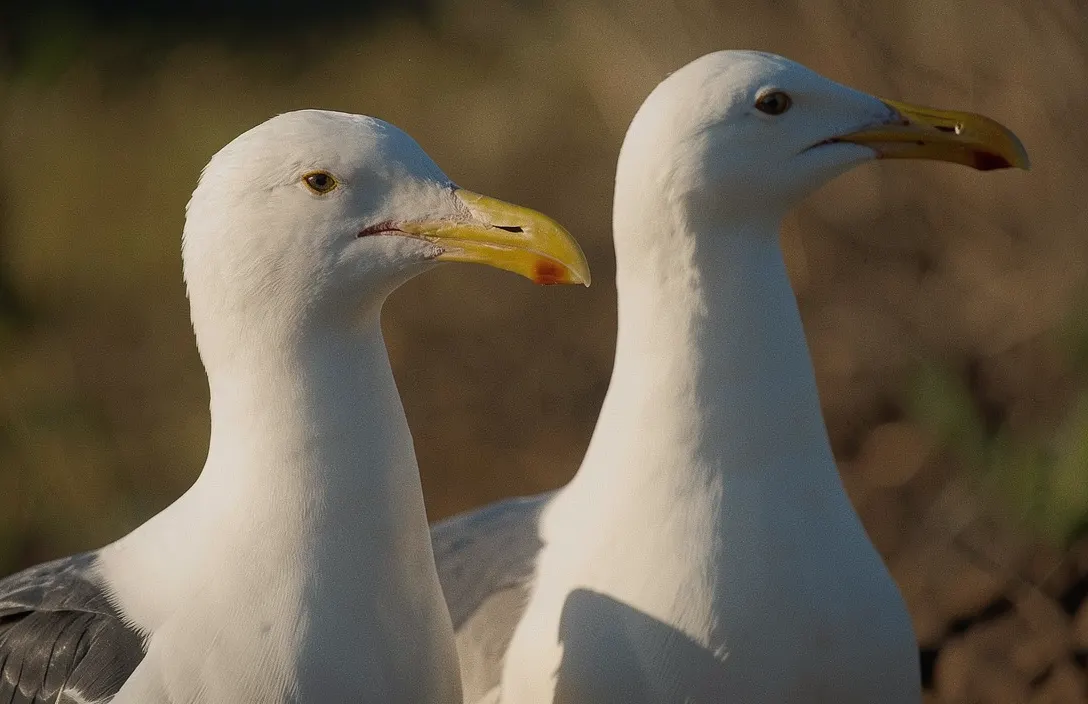
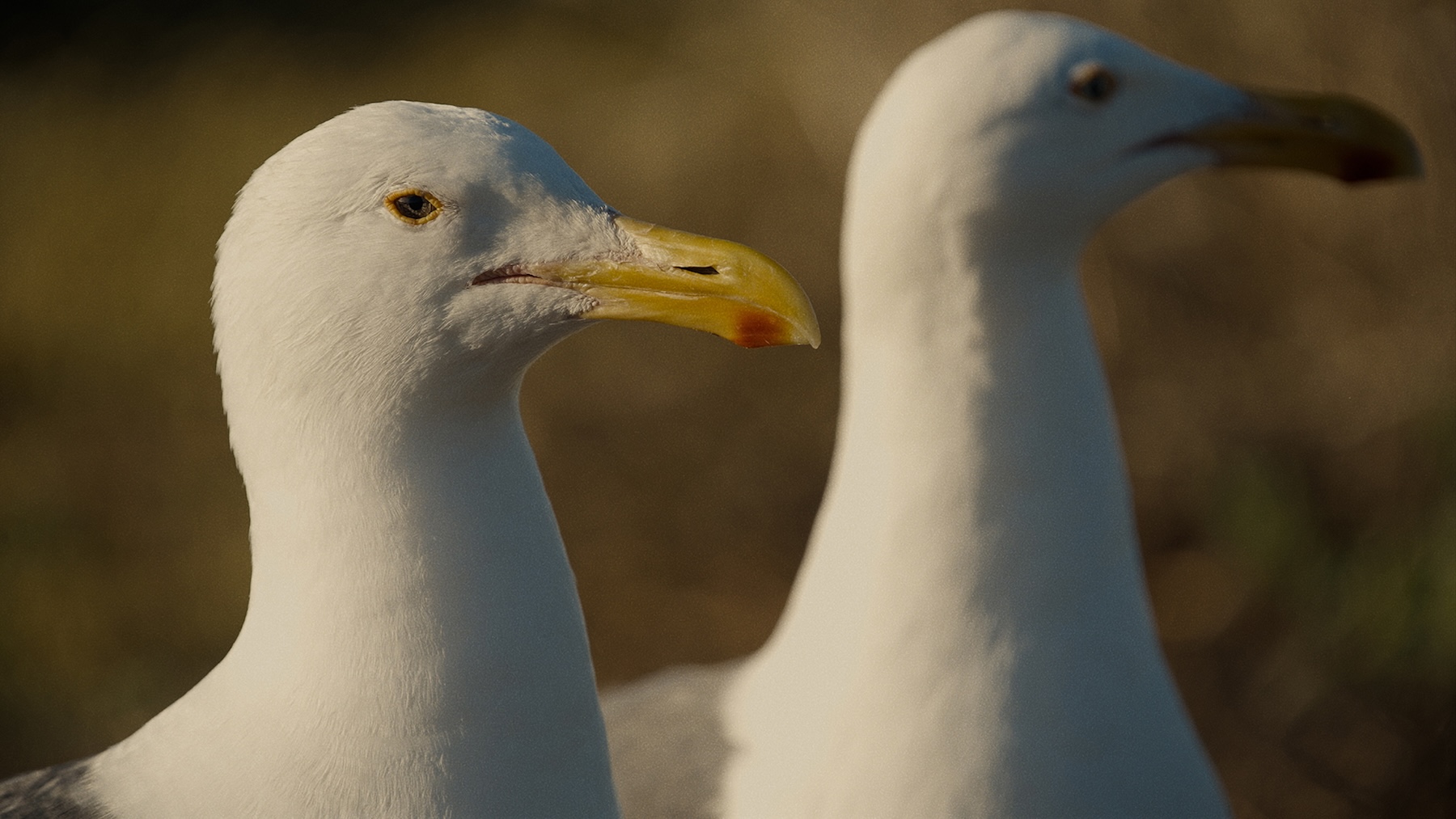
The documentary 'Love Birds' explores the scientific discovery of lesbian seagull pairs on a volcanic Californian island in the early 1970s, made by biologists George Hunt and Molly Warner. This finding challenged prevailing notions about animal behavior and sexuality, and it coincided with a time when LGBTQ+ individuals in human society were fighting for visibility and rights. The film, directed by Elliott Kennerson and Angel Morris, examines how this discovery was received and how it influenced the broader narrative around LGBTQ+ liberation (1). [1]
Kennerson and Morris emphasize that the discovery of lesbian seagulls was not only a scientific milestone but also a cultural one. They note that the natural history film genre often relies on gender clichés when discussing animal reproduction, and they sought to challenge these stereotypes in their work. The film includes interviews with Hunt and Warner, who reflect on the impact of their discovery on their personal and professional lives, as well as the challenges they faced in a society that was not yet accepting of LGBTQ+ identities (1). [1]
The documentary also features insights from historian Lillian Faderman, who provides context on the significance of the lesbian seagull phenomenon within the broader history of LGBTQ+ rights. Faderman's contributions add a layer of historical depth to the film, highlighting how the discovery of same-sex behavior in nature has long been overlooked or dismissed by scientific communities. Her involvement helps to frame the story within a larger narrative of social and scientific progress (1). [1]
The documentary 'Love Birds' explores the scientific discovery of lesbian seagull pairs on a volcanic Californian island in the early 1970s, made by biologists George Hunt and Molly Warner. The film highlights how the discovery of lesbian seagulls was not only a scientific milestone but also a cultural one, as it occurred during a time when gay and lesbian humans were beginning to go public to fight for liberation and validation (source ID: 1). [1]
Advertisement
The documentary features insights from historian Lillian Faderman, who provides context on the significance of the lesbian seagull phenomenon within the broader history of LGBTQ+ rights. Faderman's contribution adds a layer of historical depth to the film, emphasizing how the discovery of homosexual behavior in nature has long been overlooked or misunderstood (source ID: 1). [1]
The film also delves into the personal lives of Hunt and Warner, revealing the complexities of their relationship, which was impacted by societal sexism and personal challenges. The directors, Elliott Kennerson and Angel Morris, worked closely with both scientists to ensure their story was told with accuracy and emotional resonance (source ID: 1). [1]
The documentary incorporates archival material, including the use of a Kodak Carousel 4200 slide projector and vintage footage, to contrast the past with the present. These visual elements help to emphasize the historical and cultural context of the seagull discovery and its relevance to the LGBTQ+ movement (source ID: 1). [1]
The documentary 'Love Birds' explores the scientific discovery of lesbian seagull pairs on a volcanic Californian island in the early 1970s, made by biologists George Hunt and Molly Warner. Kennerson and Morris emphasize that the discovery of lesbian seagulls was not only a scientific milestone but also a cultural one. The documentary also features insights from historian Lillian Faderman, who provides context on the significance of the lesbian seagull phenomenon within the broader history of LGBTQ+ rights (source ID: 1). [1]
Advertisement
The film also delves into the personal lives of Hunt and Warner, revealing the complexities of their relationship, which was impacted by societal sexism and personal challenges. The documentary incorporates archival material, including the use of a Kodak Carousel 4200 slide projector, which adds a nostalgic and historical dimension to the storytelling (source ID: 1). [1]
The presence and voice of the lesbian historian Lillian Faderman in the movie is a coup. She brings a liberation context to the lesbian seagull phenomenon within popular culture, which could have been treated glibly. The documentary highlights how the discovery of lesbian seagulls intersected with the broader LGBTQ+ rights movement during the 1970s (source ID: 1). [1]
Sources
Prepared with AI assistance from the cited sources.
The Cali Reporter newsletter
The stories worth your time.
California, the country, and what comes next. Join our free newsletter for reporting that keeps you informed.
More in San Francisco
- Lower Haight Parklet Removal Sparks Community Division
The removal of a community-built parklet in the Lower Haight neighborhood of San Francisco has ignited debate among residents, raising questions about public safety, neighborhood management, and the challenges of…
- Bayview Black Women Family Homes in San Francisco
The San Francisco Standard reports on the challenges and significance of Black families maintaining their homes in the Bayview neighborhood, highlighting the stories of Cyn Babalola, Jeanette Wright, and others who are…
- Rental Scams in San Francisco Rise as City Tries to Combat Fraud
As rental scams become more common in San Francisco, city officials and residents are working to prevent fraud and support victims.