FAA Ground Stop Highlights Aging Infrastructure and Communication Gaps
The FAA's decision to ground flights nationwide on Friday highlighted the risks of outdated infrastructure and the need for modernization, as well as the challenges of communication during a crisis.

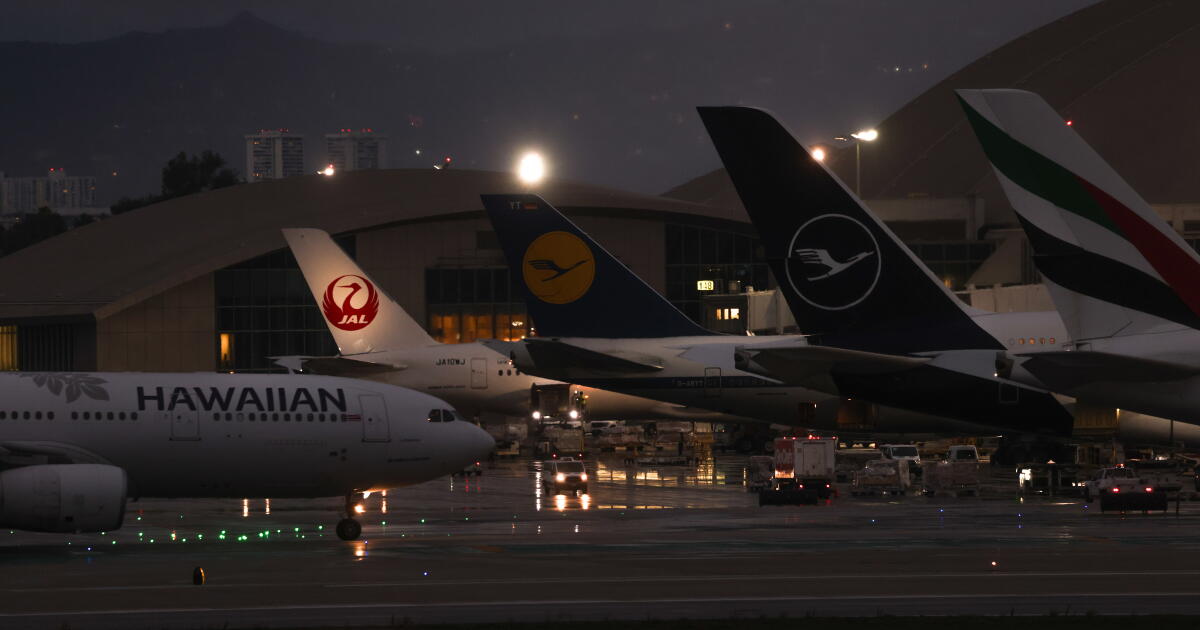
The U.S. Department of Transportation was investigating whether the air traffic control system meltdown on Friday resulted from human error or equipment failure, as travelers across the nation faced widespread flight delays and cancellations (1). Transportation Secretary Sean Duffy stated that the crisis began when a contractor was performing routine maintenance at an FAA location, switching telecommunication lines from 1980s-era copper wire to fiber. The new equipment caused an overload on the system, leading to disruptions in radar and communications, prompting the FAA to ground all planes for over four hours (1). [1]
The FAA Administrator, Brian Bedford, emphasized that there was no evidence of AI or nefarious actors involved in the incident, and that no lives were harmed during the crisis (1). He apologized to passengers affected by the decision to ground flights, stating it was made for safety reasons. The investigation is ongoing, and it is unclear whether the contractor, L3Harris Technologies, or the new equipment was at fault (1). [1]
Duffy highlighted the need to modernize the FAA’s outdated telecommunication system, noting that around 70% of the system has been upgraded to fiber, but the remainder still relies on copper wire (1). He credited President Trump for securing a $12.5-billion investment for the Transportation Department through the 2025 Big Beautiful Bill Act and called on Congress to approve an additional $30-billion funding request to continue modernizing the nation’s aviation infrastructure (1). [1]
The U.S. Department of Transportation is investigating whether Friday’s air traffic control system meltdown resulted from human error or equipment failure, as travelers across the nation faced a cascade of flight delays and cancellations (1). Transportation Secretary Sean Duffy explained that the crisis began when a contractor was performing routine maintenance at a remote Federal Aviation Administration location to switch telecommunication lines from 1980s-era copper wire to a fiber line. The new equipment began flooding other routers in the air traffic control system — sending more than 1,000 connection attempts every four to five seconds — causing radar and communications disruptions (1). [1]
Advertisement
As a safety measure, the FAA decided to ground all planes for more than four hours (1). It is unclear whether the contractor, L3Harris Technologies, or the piece of new equipment itself was at fault. A spokesperson for L3Harris said the company is supporting the FAA in its investigation to understand the conditions that led to the ground stop (1). [1]
FAA Administrator Brian Bedford said he is hopeful airlines will be able to resume normal flight schedules by close of business Sunday. There is no evidence that Friday’s system failure was caused by AI or any nefarious actors, Bedford said. He apologized to passengers affected by the FAA’s decision to ground flights and emphasized that no lives were harmed during the crisis (1). [1]
Duffy said the ground stop highlighted the need to continue modernizing the FAA’s “incredibly old” telecommunication system. Currently, around 70% of the system has been moved to a fiber network, but the remainder relies on copper wire, he said (1). [1]
The U.S. Department of Transportation is investigating whether Friday’s air traffic control system meltdown resulted from human error or equipment failure, as travelers nationwide faced flight delays and cancellations (1). Transportation Secretary Sean Duffy explained that the crisis began when a contractor was performing routine maintenance at a remote FAA location to switch telecommunication lines from 1980s-era copper wire to a fiber line. The new equipment began flooding other routers in the air traffic control system, sending more than 1,000 connection attempts every four to five seconds, causing radar and communications disruptions (1). [1]
Advertisement
As a safety measure, the FAA decided to ground all planes for more than four hours. It is unclear whether the contractor, L3Harris Technologies, or the piece of new equipment itself was at fault (1). FAA Administrator Brian Bedford stated that there was no evidence of AI or nefarious actors involved in the incident and emphasized that no lives were harmed during the crisis (1). [1]
Duffy highlighted the need to modernize the FAA’s outdated telecommunication system, noting that around 70% of the system has been upgraded to fiber, but the remainder still relies on copper wire (1). He thanked President Trump for securing a $12.5-billion investment in the Transportation Department through his 2025 Big Beautiful Bill Act and called on Congress to approve an additional $30-billion funding request to continue modernizing the nation’s aviation infrastructure (1). [1]
The U.S. Department of Transportation is investigating whether Friday’s air traffic control system meltdown resulted from human error or equipment failure, as travelers faced widespread flight delays and cancellations (1). According to Transportation Secretary Sean Duffy, the crisis began when a contractor was performing routine maintenance at a remote Federal Aviation Administration location to switch telecommunication lines from 1980s-era copper wire to a fiber line. The new equipment began flooding other routers in the air traffic control system, sending more than 1,000 connection attempts every four to five seconds, causing radar and communications disruptions. As a safety measure, the FAA decided to ground all planes for more than four hours. [1]
FAA Administrator Brian Bedford stated that there is no evidence that Friday’s system failure was caused by AI or any nefarious actors, and emphasized that no lives were harmed during the crisis (1). He apologized to passengers affected by the FAA’s decision to ground flights and expressed hope that airlines would be able to resume normal flight schedules by close of business Sunday. The incident has underscored the need for continued modernization of the FAA’s telecommunication system, which currently has around 70% of its infrastructure upgraded to fiber, but the remainder still relies on copper wire. [1]
Advertisement
Duffy highlighted the need to continue modernizing the FAA’s “incredibly old” telecommunication system and thanked President Trump for securing a $12.5-billion investment in the Transportation Department through his 2025 Big Beautiful Bill Act (1). He called on Congress to approve an additional $30-billion funding request to continue modernizing the nation’s aviation infrastructure. However, some Democratic members of Congress questioned the need for additional money, pointing out that only a portion of the $12.5 billion approved to upgrade the air traffic control system has been spent. Reps. Rick Larsen (D-Wash.) and André Carson (D-Ind.) noted that only $1 billion of the $12.5 billion has been spent, leaving $11 billion unspent. [1]
Sources
Prepared with AI assistance from the cited sources.
The Cali Reporter newsletter
The stories worth your time.
California, the country, and what comes next. Join our free newsletter for reporting that keeps you informed.
More in Los Angeles
- Los Angeles Officials Reach Preliminary Agreement on Olympic Contracts
Los Angeles officials have reached an unprecedented preliminary agreement to ensure local businesses receive a meaningful share of the estimated $4 billion in contracts for the 2028 Summer Olympics.
- California's New Insurance Commissioner Proposes Government-Run Wildfire Program
California's new insurance commissioner, Jane Kim, has introduced a plan to create a government-run wildfire insurance program aimed at addressing the state's growing home insurance crisis.
- Surfing Legend's Murder Investigation Expands
New evidence has emerged in the murder case of Kurt Van Dyke, a renowned California surfer, revealing a broader involvement of individuals beyond his girlfriend.