Human brains light up for chimp voices in a way no one expected
The human brain is not limited to recognizing our own voices.

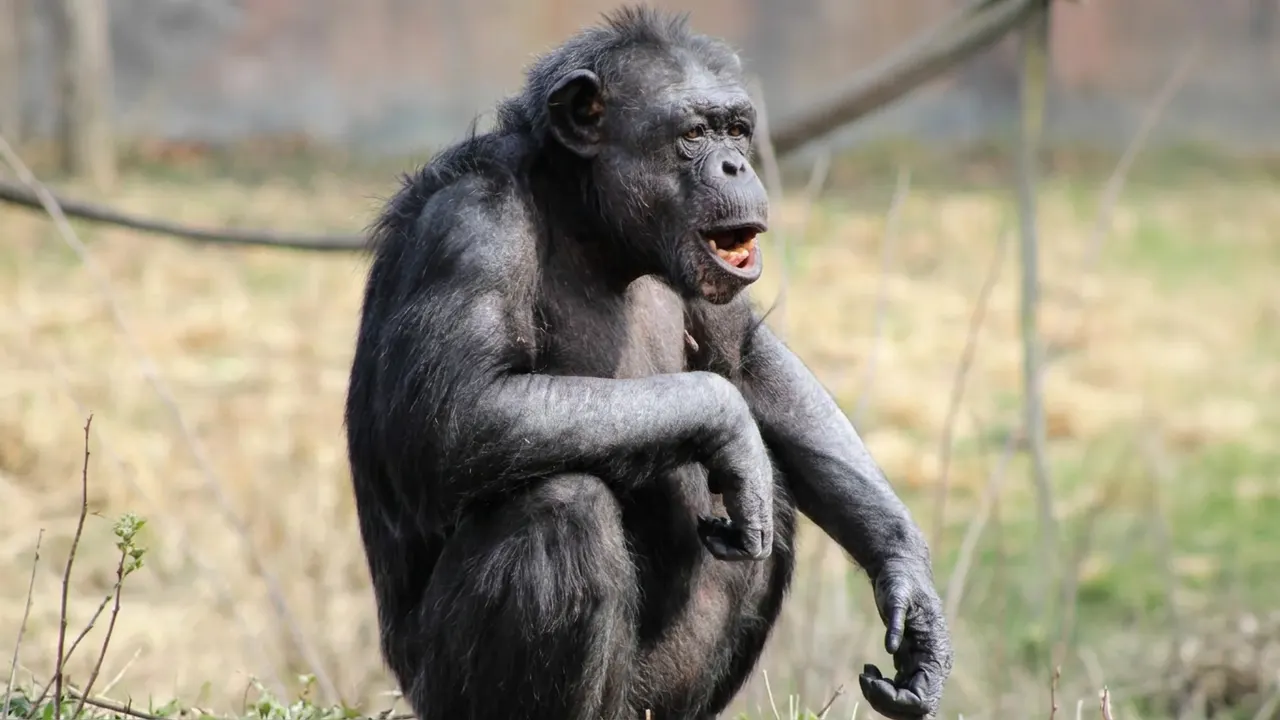
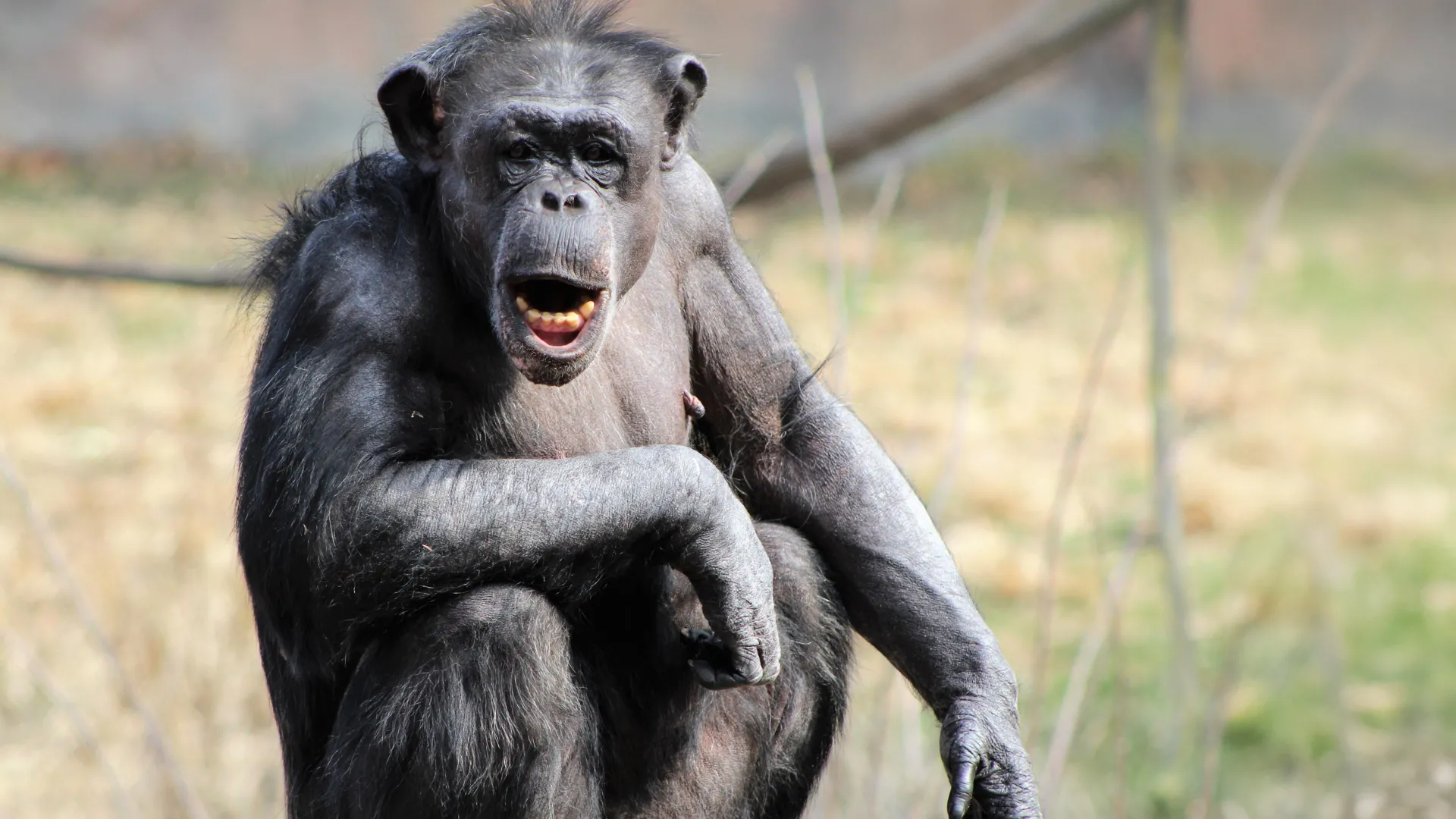
The human brain is not limited to recognizing our own voices. Research from the University of Geneva (UNIGE) has revealed that specific parts of the auditory cortex react strongly to chimpanzee vocalizations.
Chimpanzees are our closest relatives both genetically and in the types of sounds they produce. The study, which appears in the journal eLife, indicates that certain subregions of the brain may be especially tuned to the calls of particular primate species.
First reported by ScienceDaily: Relationships.
The Cali Reporter newsletter
The stories worth your time.
California, the country, and what comes next. Join our free newsletter for reporting that keeps you informed.
More in Relationships
- Family Relationships May Influence Well-Being of Poor Taiwanese Adolescents
A study of Taiwanese adolescents in poverty suggests that family relationships may play a key role in explaining the link between material deprivation and psychological distress, as well as substance use.
- Aggressive Personality Traits and Jealousy in Romantic Relationships
A new study explores how aggressive personality traits and specific love styles contribute to jealousy in romantic relationships.
- Early Brain Differences in Dyslexia Linked to Visual Processing Before Formal Reading
A longitudinal study published in Developmental Cognitive Neuroscience reveals that children who later develop dyslexia already show distinct neural responses to written words in kindergarten, before formal reading…