Hunger Strike at Adelanto ICE Processing Center Called Off
A second hunger strike at the Adelanto ICE Processing Center has been called off after detainees reported retaliatory actions by staff, according to a message from Jose Luis Munoz-Zabala, a detainee at the facility.

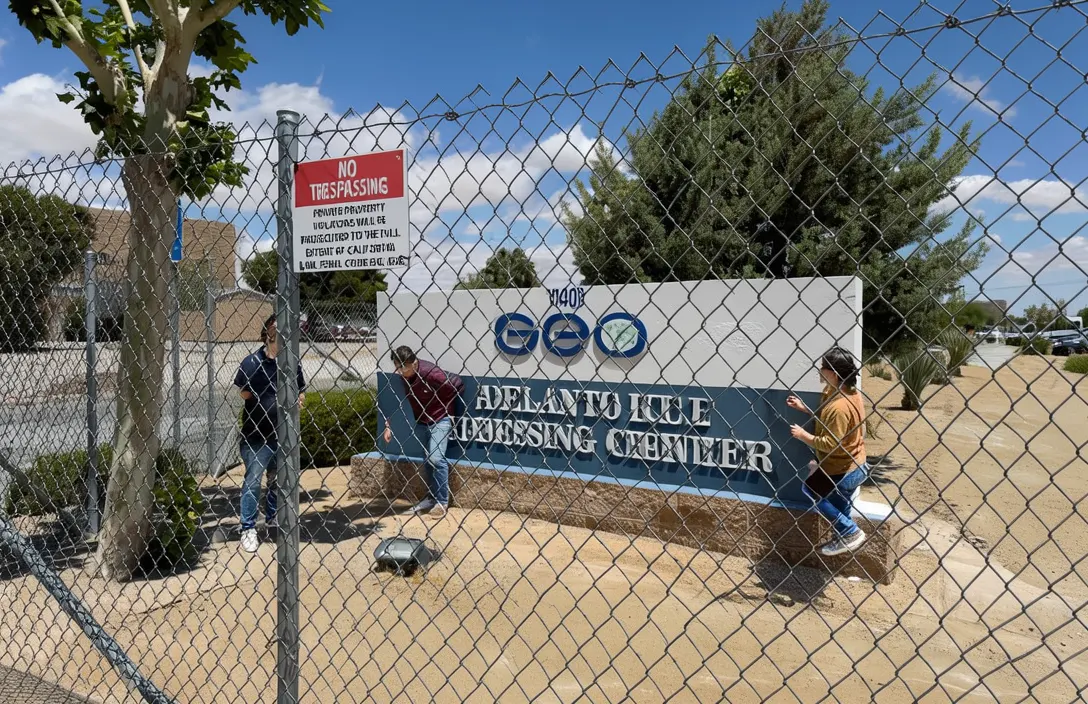
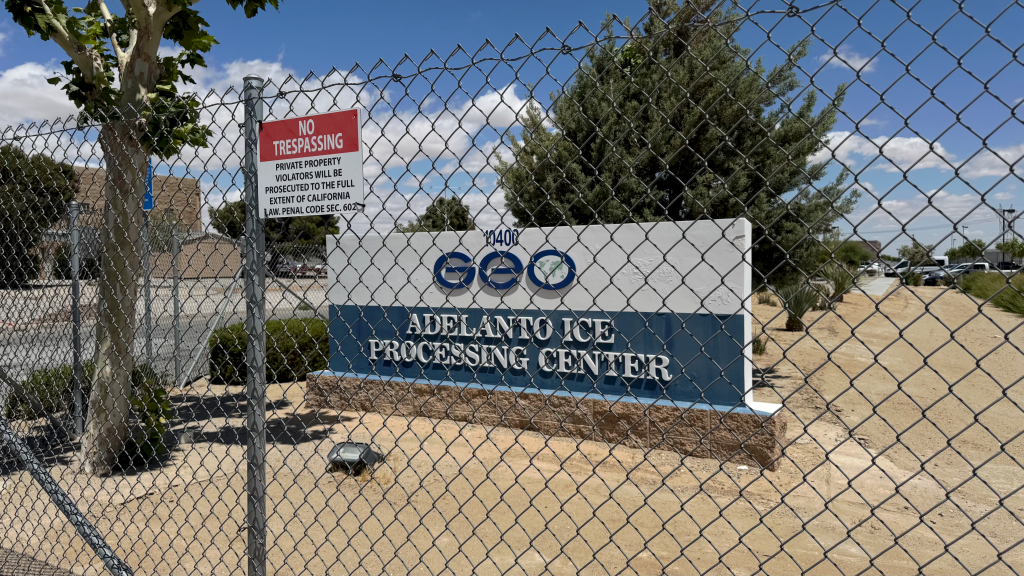
On November 14, L.A. TACO received a message from Jose Luis Munoz-Zabala, a detainee at the Adelanto ICE Processing Center, explaining that the hunger strike has been called off. In his statement, he says that the strike was called off due to collective punishment from the staff in the form of blocking everyone's use of video calls. His statement is provided in full below, followed by a translation, which has been edited for clarity. [1]
Detainees inside the Mojave Desert ICE facility declared a second hunger strike on November 2, according to Munoz-Zabala. There were 24 participants in pods A and C, ranging in age from 22 to 65. He said the detainees who participated had not eaten for a week and had only water, or water with sugar, to sustain themselves. Participants were not leaving their cells when food was provided, he added. [1]
Munoz-Zabala tells us that ICE staff had also threatened participants with transfers to facilities in Texas, Arizona, and Florida, and that transfer would mean their immigration processes would have to start over and harm their cases. Following his conversation with L.A. TACO, Munoz-Zabala’s ability to message and video call through his tablet was blocked by the facility, which is operated by the private prison operator GEO Group. [1]
Around noon that day, he said video calls on the tablets of people both participating and not participating in the hunger strike were being blocked. Calling through the facility phone was not affected. He believes the intent behind the indiscriminate blocking was to create problems between the detainees who are participating in the hunger strike and those who are not. [1]
Advertisement
On November 2, detainees inside the Mojave Desert ICE facility declared a second hunger strike, according to Jose Luis Munoz-Zabala, a detainee at the Adelanto ICE Processing Center (source ID 1). There were 24 participants in pods A and C, ranging in age from 22 to 65. Munoz-Zabala stated that the detainees who participated had not eaten for a week and had only water, or water with sugar, to sustain themselves. Participants were not leaving their cells when food was provided, he added. [1]
Munoz-Zabala told L.A. TACO that ICE staff had also threatened participants with transfers to facilities in Texas, Arizona, and Florida, and that such transfers would mean their immigration processes would have to start over and harm their cases (source ID 1). Following his conversation with L.A. TACO, Munoz-Zabala’s ability to message and video call through his tablet was blocked by the facility, which is operated by the private prison operator GEO Group. Around noon that day, he said video calls on the tablets of people both participating and not participating in the hunger strike were being blocked. [1]
He believes the intent behind the indiscriminate blocking was to create problems between the detainees who are participating in the hunger strike and those who are not (source ID 1). Munoz-Zabala said detainees participating in the hunger strike are demanding their release, not better conditions, but because they do not want to remain in the facility any longer. He describes what has been done to him and his companions as 'kidnapping' and says that what is occurring under the Trump Administration counts as 'mass kidnapping.' [1]
On November 14, L.A. TACO received a message from Jose Luis Munoz-Zabala, a detainee at the Adelanto ICE Processing Center, explaining that the hunger strike has been called off. In his statement, he says that the strike was called off due to collective punishment from the staff in the form of blocking everyone's use of video calls (source ID 1). [1]
Advertisement
Detainees inside the Mojave Desert ICE facility declared a second hunger strike on November 2, according to Munoz-Zabala. There were 24 participants in pods A and C, ranging in age from 22 to 65. He said the detainees who participated had not eaten for a week and had only water, or water with sugar, to sustain themselves. Participants were not leaving their cells when food was provided, he added (source ID 1). [1]
Munoz-Zabala tells us that ICE staff had also threatened participants with transfers to facilities in Texas, Arizona, and Florida, and that transfer would mean their immigration processes would have to start over and harm their cases. Around noon that day, he said video calls on the tablets of people both participating and not participating in the hunger strike were being blocked (source ID 1). [1]
He believes the intent behind the indiscriminate blocking was to create problems between the detainees who are participating in the hunger strike and those who are not. ‘Nosotros pedimos solamente la libertad o jueces de verdad, jueces de verdad que nos muestren la orden judicial que tenemos que estar aquí (We only ask for freedom or real judges, real judges to show us the judicial order that we have to be here),’ said Munoz-Zabala about the reasons for the strike (source ID 1). [1]
Sources
Prepared with AI assistance from the cited sources.
The Cali Reporter newsletter
The stories worth your time.
California, the country, and what comes next. Join our free newsletter for reporting that keeps you informed.
More in Los Angeles
- Los Angeles Officials Reach Preliminary Agreement on Olympic Contracts
Los Angeles officials have reached an unprecedented preliminary agreement to ensure local businesses receive a meaningful share of the estimated $4 billion in contracts for the 2028 Summer Olympics.
- California's New Insurance Commissioner Proposes Government-Run Wildfire Program
California's new insurance commissioner, Jane Kim, has introduced a plan to create a government-run wildfire insurance program aimed at addressing the state's growing home insurance crisis.
- Surfing Legend's Murder Investigation Expands
New evidence has emerged in the murder case of Kurt Van Dyke, a renowned California surfer, revealing a broader involvement of individuals beyond his girlfriend.