Japanese scientists just built human brain circuits in the lab
A research team in Japan has successfully recreated key human neural circuits in the laboratory using tiny, multi region brain models called

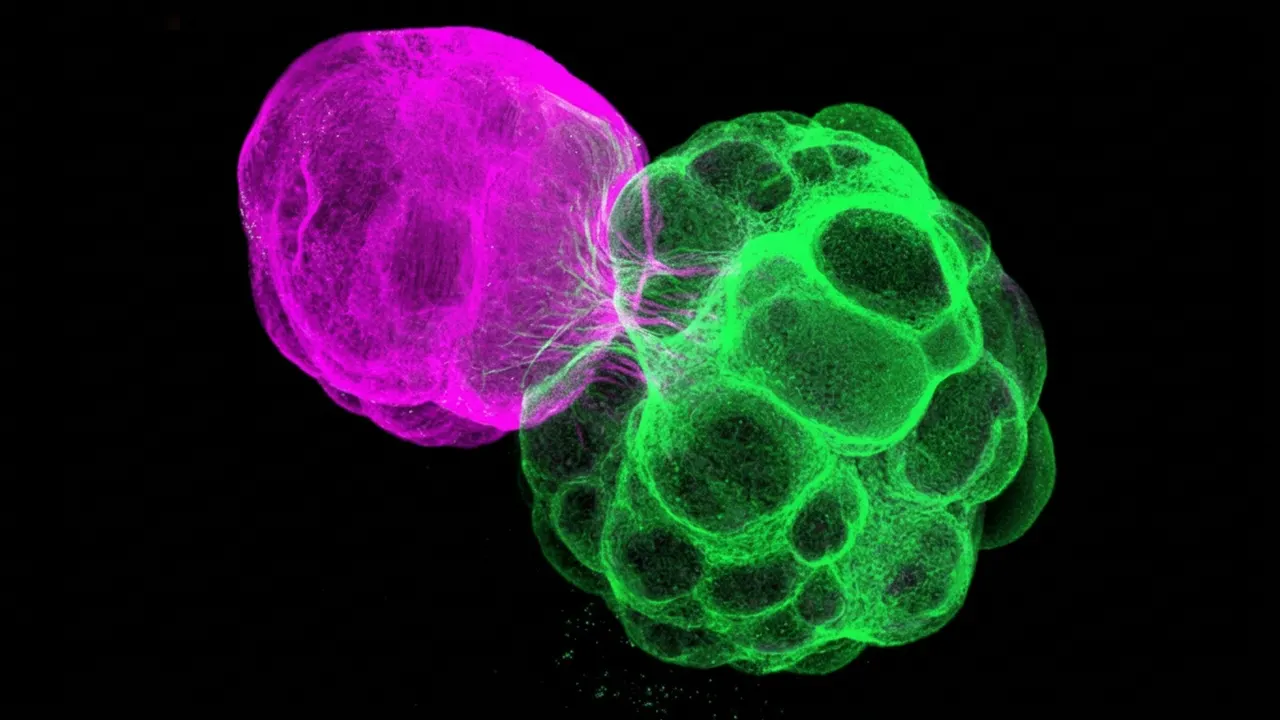
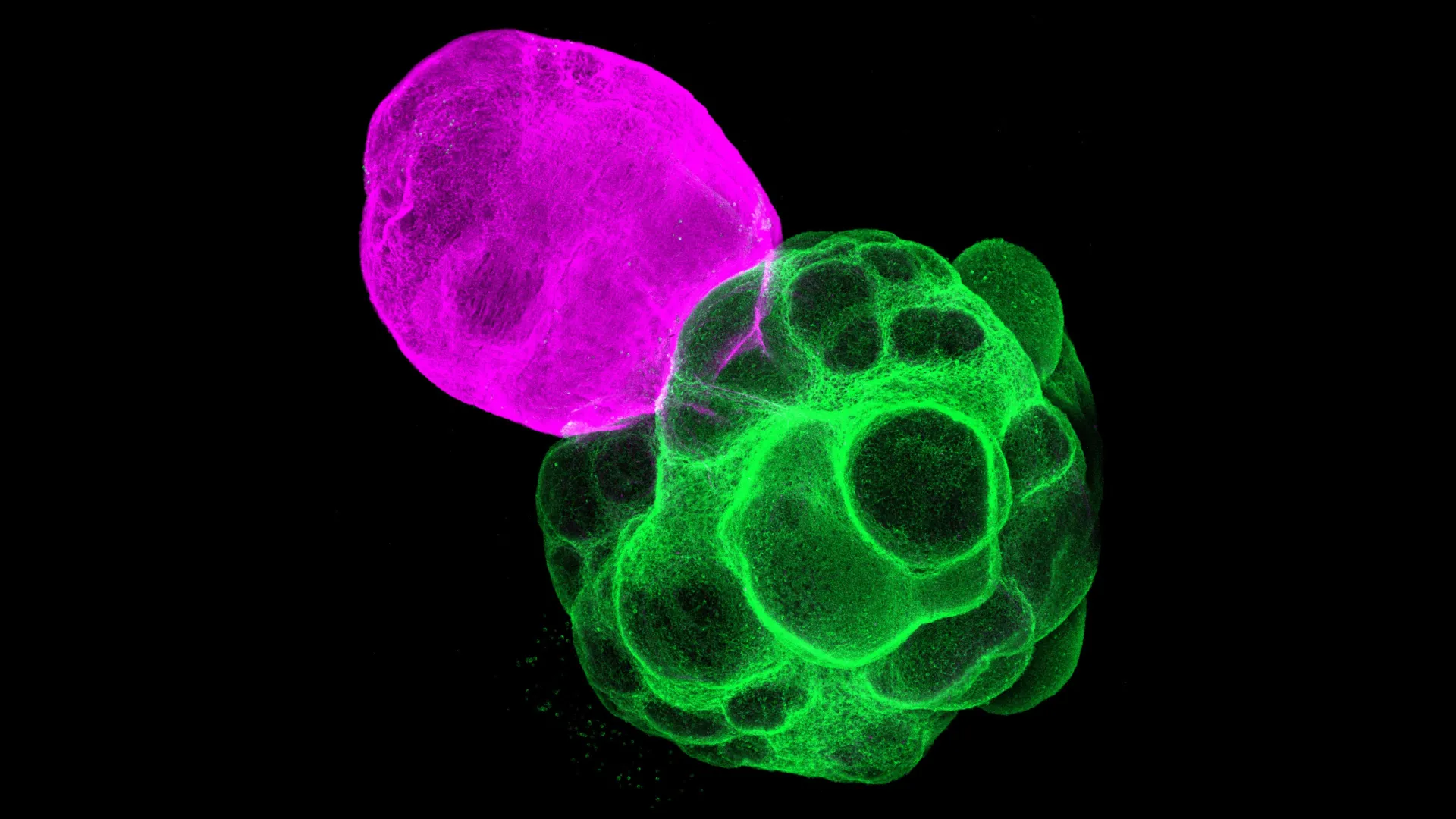
A research team in Japan has successfully recreated key human neural circuits in the laboratory using tiny, multi region brain models called assembloids. These structures are grown from induced pluripotent stem (iPS) cells and are designed to mimic how different parts of the human brain connect and communicate.
Using this system, the scientists showed that the thalamus plays a central role in shaping specialized neural circuits within the human cerebral cortex. The study was published in the journal Proceedings of the National Academy of Sciences of the United States of America.
First reported by ScienceDaily: Relationships.
The Cali Reporter newsletter
The stories worth your time.
California, the country, and what comes next. Join our free newsletter for reporting that keeps you informed.
More in Relationships
- Family Relationships May Influence Well-Being of Poor Taiwanese Adolescents
A study of Taiwanese adolescents in poverty suggests that family relationships may play a key role in explaining the link between material deprivation and psychological distress, as well as substance use.
- Aggressive Personality Traits and Jealousy in Romantic Relationships
A new study explores how aggressive personality traits and specific love styles contribute to jealousy in romantic relationships.
- Early Brain Differences in Dyslexia Linked to Visual Processing Before Formal Reading
A longitudinal study published in Developmental Cognitive Neuroscience reveals that children who later develop dyslexia already show distinct neural responses to written words in kindergarten, before formal reading…