Jensen Huang's Management Style and Leadership Structure at Nvidia
In a conference held in San Francisco on November 3, 2026, Jensen Huang discussed his leadership approach and management structure at Nvidia, providing insights that have become particularly relevant following his…

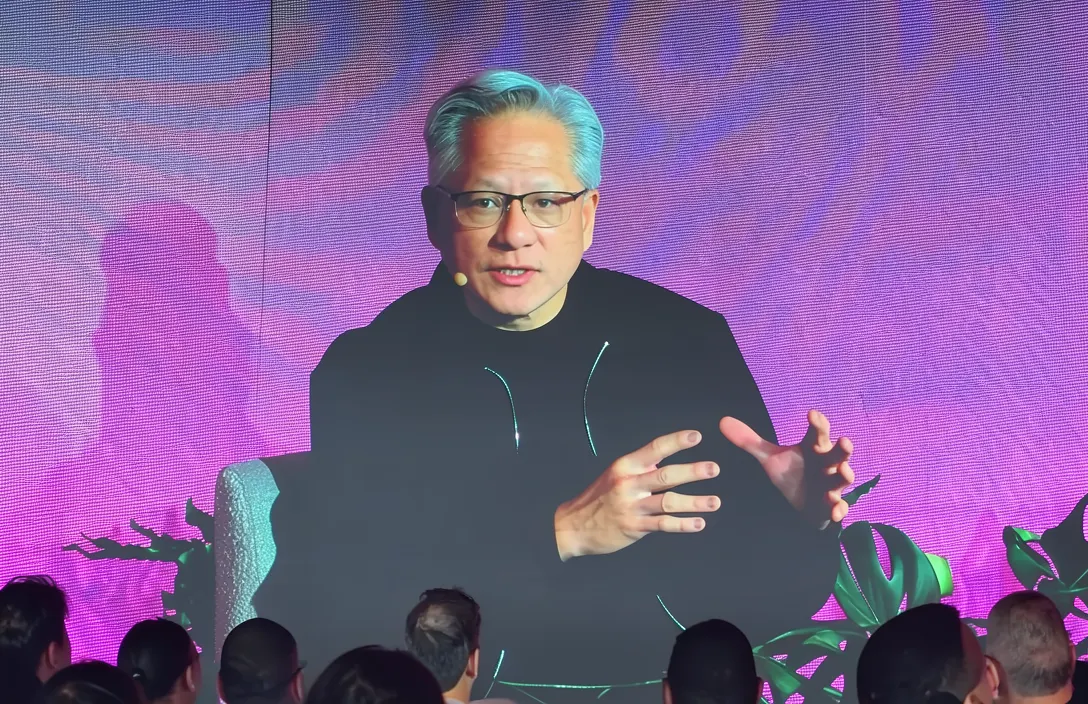
Nine days before his resignation, Jensen Huang spoke at a San Francisco conference, where he discussed the future of AI and his leadership style at Nvidia. During the event, Huang was not wearing his trademark black leather jacket, opting instead for a dark fabric zip-up. This change in attire, while initially perceived as a minor detail, has since drawn attention in light of subsequent revelations about his personal life and allegations involving a possible Chinese spy (source ID: 1). [1]
Fireworks AI CEO Lin Qiao asked Huang about his unusual management style, noting that he had 60 executives reporting directly to him. Huang explained that this structure had been in place for over 30 years, designed during a time when personal computers and email were transforming business. He emphasized a flat organizational structure that allowed for free information flow and empowered executives to make decisions (source ID: 1). [1]
When asked about the appropriate leadership structure for the AI age, Huang admitted that he did not have a clear answer. This response has since been viewed as particularly significant, given the challenges Nvidia now faces in succession planning. Huang's leadership model, which emphasized adaptability and project-based team organization, was described as one that would allow the company to naturally adjust to new opportunities and threats (source ID: 1). [1]
The event took place in San Francisco on November 3, 2026, at a conference where Jensen Huang, then CEO of Nvidia, delivered a speech. This location is significant as it marked one of his final public appearances before his resignation. The conference featured a discussion on the future of AI, with Huang addressing his management structure and its implications for the company’s future. Fireworks AI CEO Lin Qiao participated in the conversation, asking Huang about his leadership approach. The setting and participants highlight the importance of the event in the context of Nvidia’s leadership transition and AI industry developments. [1]
Advertisement
Huang’s management structure, as described during the conference, involved having 60 executives reporting directly to him. This structure was established over 30 years ago, during a period when personal computers and email were transforming business practices. The approach emphasized a flat hierarchy, with information flowing freely among executives and decisions being made collaboratively. This model was designed to foster a more dynamic and responsive organizational structure, particularly suited to the fast-paced environment of the tech industry. However, this structure may have posed challenges in terms of succession planning, as it lacked a clear line of leadership. [1]
The conference also highlighted Huang’s personal appearance, as he was seen without his signature black leather jacket, wearing instead a dark fabric zip-up. This detail, while seemingly minor at the time, became notable in hindsight, especially with the subsequent revelations about his personal life and the allegations involving a possible Chinese spy. The change in attire, though not directly linked to the events that followed, added a layer of intrigue to the occasion. The event took place in San Francisco, a hub for tech innovation and a common location for major industry conferences. [1]
Nine days before his resignation, Jensen Huang spoke at a San Francisco conference, where he discussed the future of AI and his leadership style at Nvidia. Fireworks AI CEO Lin Qiao asked Huang about his unusual management style, noting that he had 60 executives reporting directly to him. When asked about the appropriate leadership structure for the AI age, Huang admitted that he did not have a clear answer. This admission was highlighted in a report by Business Insider, which covered Huang's remarks at the event (Source ID: 1). [1]
Huang explained that he had designed this structure more than 30 years ago, when personal computers and email were transforming business. Rather than a traditional hierarchy, he wanted information flowing freely among executives empowered to make decisions. Business Insider noted that Huang's management approach was based on a structure that allowed for flexibility and collaboration among a large number of executives (Source ID: 1). [1]
Advertisement
When asked about the appropriate leadership structure for the AI age, Huang admitted that he did not have a clear answer. This response, according to Business Insider, seemed particularly relevant in hindsight, given the challenges Nvidia now faces in succession planning after Huang's resignation (Source ID: 1). [1]
Sources
Prepared with AI assistance from the cited sources.
The Cali Reporter newsletter
The stories worth your time.
California, the country, and what comes next. Join our free newsletter for reporting that keeps you informed.
More in Business
- Nvidia CEO Resignation Sparks Market Volatility
The sudden resignation of Nvidia CEO Jensen Huang has triggered significant market reactions, with both the company’s stock and Bitcoin experiencing notable declines.
- Nvidia CEO Resignation Highlights Leadership and Governance Challenges
The resignation of Jensen Huang, CEO of Nvidia, has sparked discussions about corporate governance and leadership development, with insights from McKinsey's global managing partner, Bob Sternfels.
- Unocoin Suspends Services Amid Security Probe
Unocoin, an Indian cryptocurrency exchange, has suspended deposits and withdrawals following the detection of unauthorized activity and a potential breach of its systems.