World Diabetes Day 2026 Focuses on Early Diagnosis and Awareness
The 2026 World Diabetes Day campaign emphasizes the importance of early diagnosis, equitable access to care, and reducing diabetes stigma, according to the WHO. The theme 'Early action on diabetes' highlights the need…

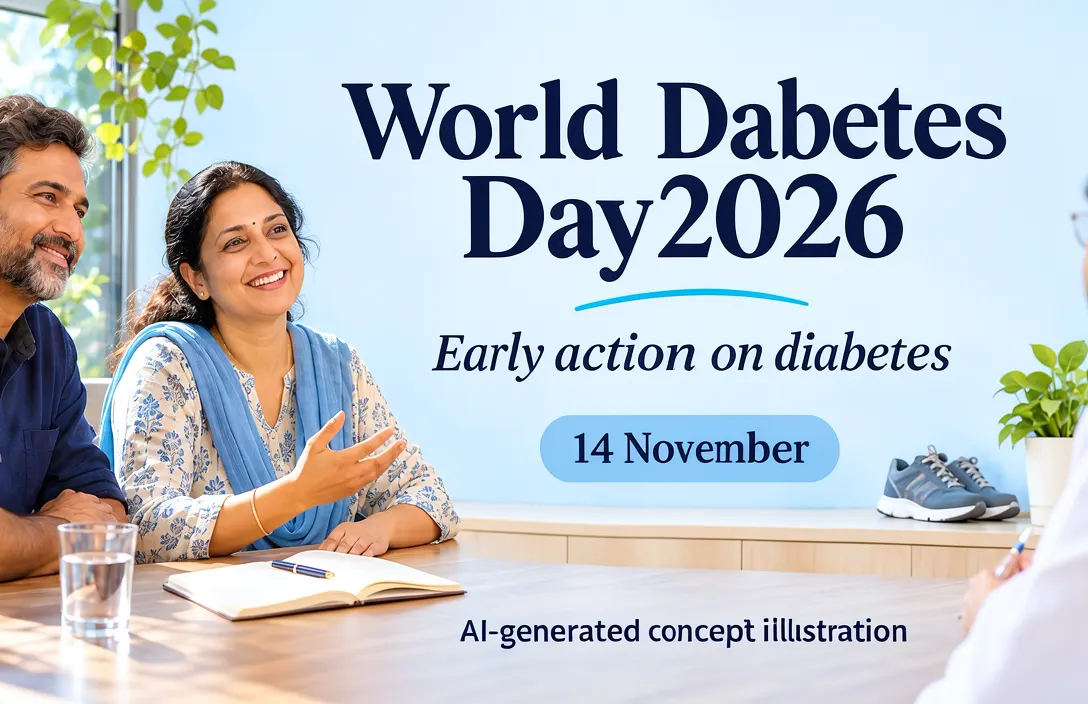

The World Diabetes Day 2026 campaign, organized by the WHO, underscores the significance of early diagnosis and awareness in managing diabetes. More than 40% of people living with diabetes globally are undiagnosed, according to the WHO’s campaign page. Without a diagnosis, individuals may not receive the care, treatment, and support necessary to manage their condition effectively. The campaign encourages the public to recognize common symptoms, such as increased thirst, frequent urination, tiredness, and blurred vision, to seek timely medical advice. The theme 'Early action on diabetes' aims to raise awareness and promote early diagnosis as a critical step in improving health outcomes for people living with diabetes (source ID: 2). [2]
The WHO highlights that early diagnosis is essential for reducing diabetes-related complications and ensuring access to timely, affordable care. The campaign emphasizes the importance of creating healthier environments that support diabetes prevention and management, such as providing access to nutritious food and safe spaces for physical activity. It also calls for reducing diabetes stigma by using empathetic language and challenging misconceptions about the condition. The WHO encourages healthcare workers to recognize symptoms and support individuals in seeking care, while governments are urged to invest in diabetes prevention and improve access to essential medicines and services (source ID: 2). [2]
The 2026 campaign includes a toolkit for raising awareness and encouraging early action on diabetes. It features a photo exhibit that showcases the daily lives of people living with diabetes, such as Haijjar Jamal, a 75-year-old woman from Jordan who manages her Type 2 diabetes through medication, dietary changes, and gardening. The WHO also outlines global diabetes coverage targets for 2030, including diagnosing 80% of people with diabetes, ensuring good control of glycaemia and blood pressure, and providing access to affordable insulin for all people with Type 1 diabetes (source ID: 2). [2]
The 2026 World Diabetes Day campaign, organized by the WHO, focuses on the importance of early diagnosis and awareness in managing diabetes (source ID: 2). The campaign highlights the need for early detection to reduce diabetes-related complications and ensure access to timely, affordable care. The WHO emphasizes that more than 40% of people living with diabetes are undiagnosed, and without a diagnosis, people may not be able to access the care, treatment, and support they need to manage their diabetes and live healthy lives (source ID: 2). [2]
Advertisement
The theme of the 2026 campaign, 'Early action on diabetes,' underscores the global priority of closing the gap in diagnosis. One of the five global diabetes coverage targets supported by WHO Member States sets a target for 80% of people with diabetes to be diagnosed by 2030 (source ID: 2). The campaign encourages the general public to know the symptoms of diabetes, including increased thirst, frequent urination, tiredness, and blurred vision, and to seek medical advice if these symptoms are noticed (source ID: 2). [2]
The WHO World Diabetes Day 2026 toolkit is designed to raise awareness, start conversations, and encourage early action on diabetes (source ID: 2). The toolkit includes resources such as diabetes symptoms posters and a photo exhibit titled 'Beyond the numbers,' which features Haijjar Jamal, a 75-year-old woman living with Type 2 diabetes, showcasing how diabetes is woven into everyday life (source ID: 2). [2]
The 2026 World Diabetes Day campaign, organized by the WHO, focuses on the importance of early diagnosis and awareness in managing diabetes (source ID: 2). The theme of the 2026 campaign, 'Early action on diabetes,' underscores the global priority of closing the gap in diagnosis. More than 40% of people living with diabetes across the globe are undiagnosed, which can prevent them from accessing the care, treatment, and support they need to manage their condition (source ID: 2). [2]
The WHO World Diabetes Day 2026 toolkit is designed to raise awareness, start conversations, and encourage early action on diabetes (source ID: 2). The toolkit includes resources such as diabetes symptoms posters and a photo exhibit titled 'Beyond the numbers,' which showcases the daily lives of people living with diabetes. These materials aim to educate the public and healthcare professionals about the symptoms of diabetes and the importance of early diagnosis (source ID: 2). [2]
Advertisement
The campaign also highlights the need for equitable access to diabetes care. Key messages from the campaign include the importance of recognizing the symptoms of diabetes, advancing equitable access to care, creating healthier environments, and prioritizing quality care (source ID: 2). The WHO emphasizes that diabetes diagnosis must be followed by access to timely, affordable care and ongoing support to improve outcomes for people living with diabetes (source ID: 2). [2]
The 2026 World Diabetes Day campaign, organized by the WHO, underscores the significance of early diagnosis and awareness in managing diabetes (source ID: 2). The theme of the campaign, 'Early action on diabetes,' highlights the global priority of closing the gap in diagnosis. More than 40% of people living with diabetes are undiagnosed, and without a diagnosis, individuals may not be able to access the care, treatment, and support needed to manage their condition (source ID: 2). [2]
The WHO World Diabetes Day 2026 toolkit is designed to raise awareness, start conversations, and encourage early action on diabetes (source ID: 2). The toolkit includes resources such as posters on diabetes symptoms and a photo exhibit titled 'Beyond the numbers,' which showcases the daily lives of individuals living with diabetes (source ID: 2). These materials aim to help communities understand the importance of early diagnosis and access to care (source ID: 2). [2]
Key messages from the 2026 campaign include knowing the symptoms of diabetes, recognizing type 1 diabetes, advancing equitable access to care, creating healthier environments, prioritizing quality care, and supporting individuals without stigmatizing them (source ID: 2). The campaign also encourages the general public, healthcare workers, governments, and civil society organizations to take specific actions to improve diabetes awareness and care (source ID: 2). [2]
Advertisement
The Cali Reporter newsletter
The stories worth your time.
California, the country, and what comes next. Join our free newsletter for reporting that keeps you informed.
More in Technology
- Google Play's Closed Testing Requirements and the Importance of Feedback
Google Play's closed testing rule emphasizes the need for developers to gather meaningful feedback from testers, not just track app installs. This approach ensures that real user experiences are evaluated and addressed…
- Understanding Memory Usage on Linux VPS
This article explains how to accurately interpret memory usage on a Linux VPS, focusing on the importance of the 'available' metric and the potential pitfalls of relying on the 'free' column.
- Building an Accessible Price Range Filter in React
This article discusses the development of an accessible price range filter using a dual-thumb slider in React, addressing common accessibility and usability issues.