New Guidelines for Organ Retrieval Procedure Spark Ethical Debate
The U.S. organ transplant system has approved the first national policy for a controversial procedure used to remove organs from hospital patients, raising ethical concerns among bioethicists.

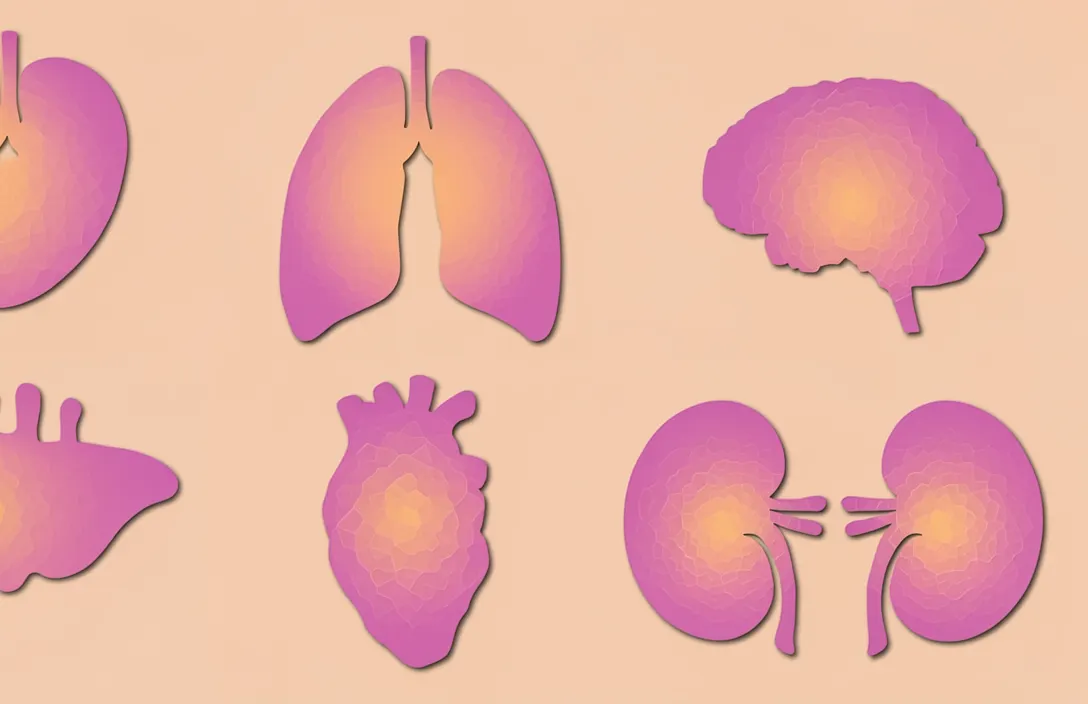

New guidelines are supposed to protect organ donors in a retrieval procedure that keeps blood flowing through livers, kidneys, lungs and hearts. But bioethicists have troubling questions. The U.S. organ transplant system has approved the first national policy for a controversial procedure used to remove organs from hospital patients. The guidelines are designed to protect potential donors. But critics say they do little to improve safety and fail to address deeply troubling ethical concerns (Source ID: 1). [1]
The procedure is called normothermic regional perfusion, known as NRP. It can be used after a family has decided to withdraw care because there’s no hope of meaningful recovery for the person. To perform NRP, doctors attach an external pump to a donor minutes after their circulation has ended and they’ve been declared dead. The pump restores blood flow to their hearts, lungs, kidneys, liver and other organs to keep them from deteriorating (Source ID: 1). [1]
Critics, however, say NRP is unethical because it violates the Dead Donor Rule, which is the most important rule protecting potential donors. The rule says transplant surgeons can only take organs from patients after they are dead because of brain death or circulatory death. But because NRP restarts circulation, critics say the procedure reverses the very condition upon which the person has just been declared dead (Source ID: 1). [1]
The new guidelines, which will go into effect Dec. 6, call for surgeons to do more than just clamp the blood vessels to the brain. They should also cut holes in them, according to the new policy. Clamping the blood vessels should stop blood flowing to the brain. Cutting or venting above the level of the clamping is a second safeguard to make sure that if the clamping is insufficient that it immediately drains out of the head and is not supplying warm oxygenated blood to the brain (Source ID: 1). [1]
Advertisement
New guidelines for a procedure known as normothermic regional perfusion (NRP) have been approved by the U.S. organ transplant system, aiming to protect potential donors while addressing concerns over the ethical implications of the process. The procedure, which involves restoring blood flow to the organs of a deceased donor minutes after their circulation has ended, is intended to improve the quality and quantity of available organs for transplantation. According to Dr. Raymond Lynch of the Health Resources & Services Administration (HRSA), the hope with NRP is that it increases the supply of organs and improves their quality, which could help address the chronic organ shortage that leaves over 109,000 Americans on waiting lists (source ID: 1). [1]
Critics of NRP argue that the procedure violates the Dead Donor Rule, which stipulates that transplant surgeons can only take organs from patients who are dead due to brain death or circulatory death. Because NRP restarts circulation, critics claim it reverses the condition that has just been declared, potentially taking organs from individuals who are not technically dead. Dr. Lainie Friedman Ross, a University of Rochester bioethicist, notes that the procedure 'reverses the very condition upon which the person has just been declared dead,' which raises serious ethical concerns (source ID: 1). [1]
The new guidelines, which will take effect on Dec. 6, include additional safeguards, such as requiring surgeons to cut holes in blood vessels supplying the brain, in addition to clamping them, to prevent reperfusion of the brain. However, critics argue that these measures do not adequately address the deeper ethical issues surrounding NRP, such as the possibility that donors are not technically dead when their organs are removed. Dr. Claire Morgan, a transplant surgeon who first reported concerns about brain reperfusion during NRP, stated that the new policy 'does not begin to address the bigger concerns that NRP donors are not technically dead when surgeons remove their organs' (source ID: 1). [1]
New guidelines are supposed to protect organ donors in a retrieval procedure that keeps blood flowing through livers, kidneys, lungs and hearts. The procedure is called normothermic regional perfusion, known as NRP. Critics, however, say NRP is unethical because it violates the Dead Donor Rule, which is the most important rule protecting potential donors. The new guidelines, which will go into effect Dec. 6, call for surgeons to do more than just clamp the blood vessels to the brain. They should also cut holes in them, according to the new policy (1). [1]
Advertisement
The Dead Donor Rule stipulates that transplant surgeons can only take organs from patients who are dead due to brain death or circulatory death. But because NRP restarts circulation, critics say the procedure reverses the very condition upon which the person has just been declared dead. Dr. Lainie Friedman Ross, a University of Rochester bioethicist, argues that NRP violates the dead donor rule, as it takes organs from people who are no longer dead (1). [1]
Another concern raised by critics is the possibility of reperfusing the brain during NRP. Surgeons clamp off blood vessels that supply the head, but in some cases, blood has appeared to get restored to the brain. Dr. Claire Morgan, a transplant surgeon, says this is extremely disturbing and could undermine the ethical foundation of the procedure (1). [1]
The new guidelines also recommend against giving donors drugs that would paralyze them and mask any movements. However, critics argue that the new safeguards are insufficient and do not adequately address the fundamental ethical concerns surrounding NRP. They worry the adoption of the policy could speed the use of NRP before the troubling questions have been fully aired (1). [1]
Sources
Prepared with AI assistance from the cited sources.
The Cali Reporter newsletter
The stories worth your time.
California, the country, and what comes next. Join our free newsletter for reporting that keeps you informed.
More in West Coast
- Diwali Celebration at Tigard Mandir Draws Large Crowd
Hundreds of people gathered at the BAPS Shri Swaminarayan Mandir in Tigard, Oregon, for a Diwali celebration featuring a large cultural exhibition and traditional offerings.
- Midterm Elections Shift State Legislative Power to Democrats
The 2022 midterm elections marked a significant shift in state legislative power, with Democrats gaining control in several states and ending long-standing Republican dominance.
- Boise State Secures Pac-12 Championship Host Spot
Boise State's victory over Oregon State on November 14, 2026, solidified their position as the host for the Pac-12 championship game, marking a significant milestone for the team.