Silicon Valley BART Extension Slips Off Budget Track as VTA Weighs Phasing
VTA says the four-station, five-mile San Jose–Santa Clara project is unlikely to fit its $12.7 billion target, with a December board update and an unfinished federal grant looming.

The Silicon Valley BART extension is not on course to meet its $12.7 billion budget target, VTA officials disclosed this week, according to San José Spotlight. The four-station, five-mile plan would bring BART to downtown San Jose and Santa Clara, with all stations projected to open by 2037. At a Thursday meeting of a VTA board committee, officials discussed possible changes but presented no formal proposal. Tom Maguire, VTA’s chief megaprojects officer, said it is too soon for an updated cost estimate and that more details would go to the full board in December. That board is made up of elected officials from across Santa Clara County. [1]
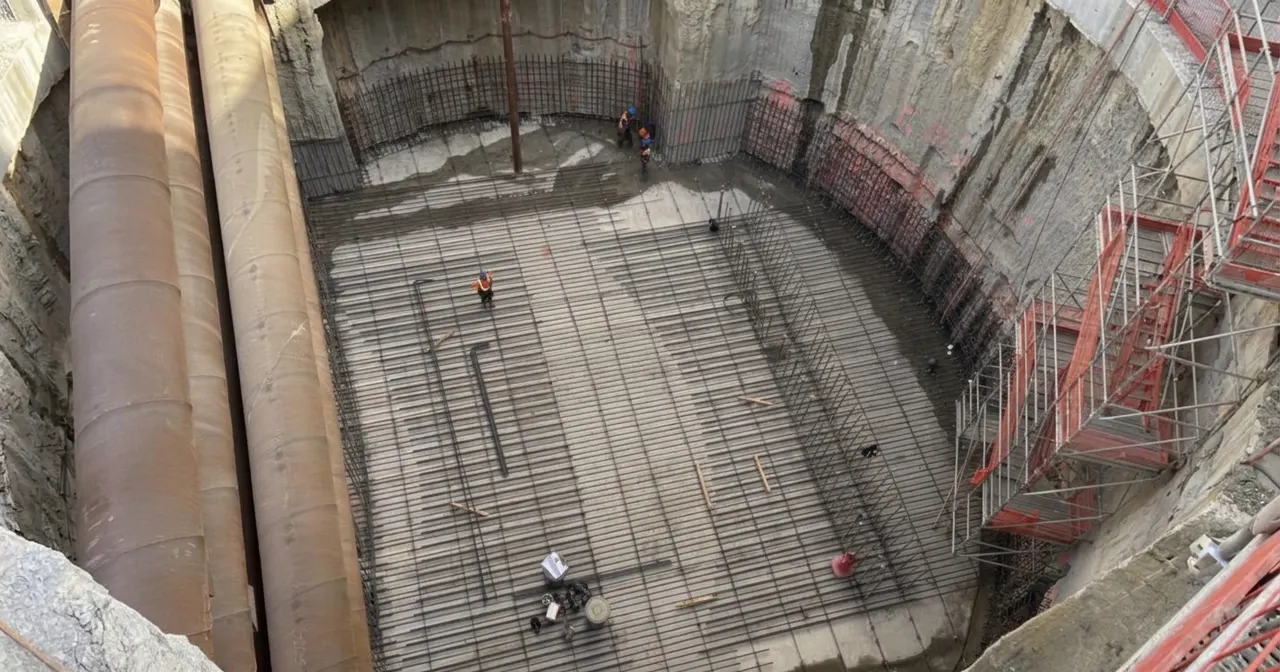
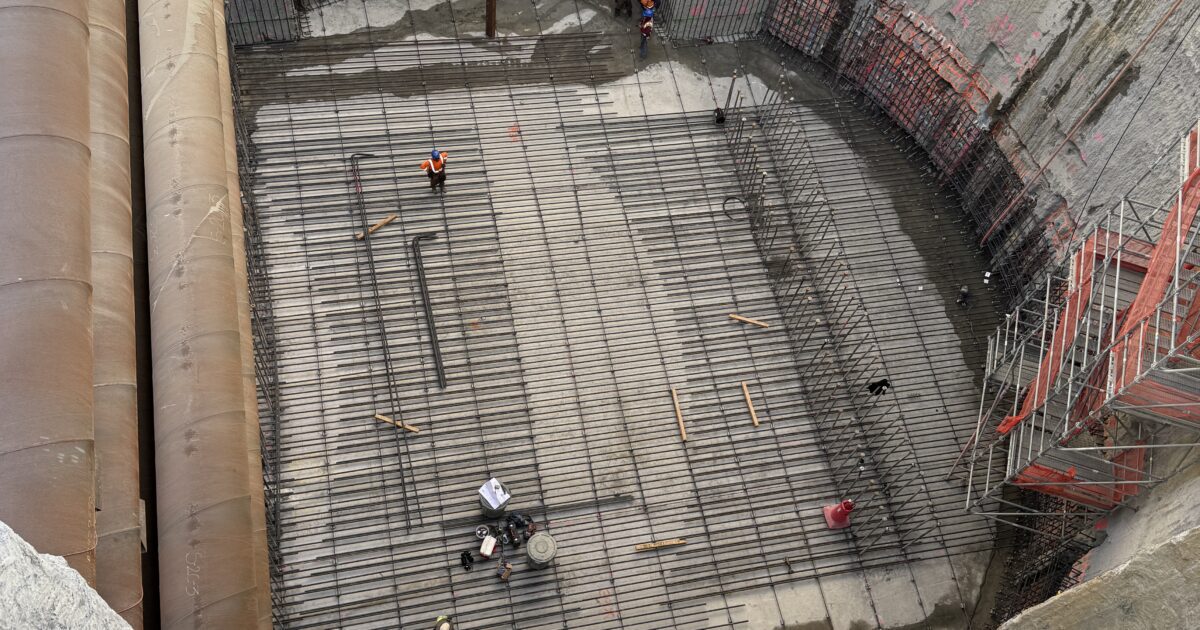
The warning does not cancel construction. Work continues at a former railyard in West San Jose, where VTA is preparing to launch a boring machine for a 53-foot-diameter tunnel. But the disclosure shifts the project from a build-and-open timeline into a budget-and-scope debate. The current target, $12.7 billion, is now described by officials as unlikely to be enough. Maguire said the project faces challenging budget pressures but added that VTA is confident there are creative ways to move forward. The report does not identify those ways beyond options discussed at the committee. [1]
The immediate hole is not the full cost overrun. For about 18 months, VTA has been trying to close a roughly $700 million funding gap that opened when a federal transit grant approved under the Biden administration came in lower than anticipated. Officials said cost savings identified so far are not enough to make up the difference. The grant process has not been completed. VTA officials said balancing the project’s budget will be key to a successful application. The report does not say when the grant will be settled, what conditions apply, or whether the application must be revised if the project’s scope changes. [1]
The scale of the change is visible in the project’s own estimates. When the extension was unveiled in 2014, the projected cost was $4.7 billion and the opening date was 2026. The current target is $12.7 billion, with all four stations opening by 2037. The effort has also faced fierce pushback over its single tunnel design, according to the report. VTA officials said a variety of factors, including project delays, have contributed to the financial roadblocks. No updated total cost estimate has been released; Maguire said providing one now would be premature. [1]
Advertisement
The report does not explain every cause of the earlier slip from 2026 to 2037, but it says project delays and construction costs contributed. The single-tunnel design drew fierce criticism, though the report does not say whether that criticism affected the schedule or budget. What is clear is that the project has moved from a plan with a 2014 estimate and a 2026 opening to a plan with a $12.7 billion target and a 2037 opening, and that officials now say even that target is in doubt. [1]
VTA officials listed several causes for recent increases: a nationwide spike in construction costs, project delays, tariff policies under the Trump administration, competition from the massive data center buildout, and the war in Iran, which they said has driven up energy prices. They also pointed to other major U.S. transit projects that have faced delays and budget increases, arguing the BART extension is not alone. The report does not quantify each factor or name the other projects. Officials added that even if construction costs had stayed in place, the project still would have faced a budget shortfall. [1]
The cost drivers described by VTA are attributed, not independently verified in the report. The report does not say how much of the increase is tied to tariffs, data-center competition, energy prices, delays, or the single-tunnel design. That matters as the board weighs a scope change against a budget target that officials already say is unlikely to hold. A clearer breakdown could show which pressures are temporary and which are structural, but the report does not provide one. Nor does it say whether VTA will release such a breakdown before December. [1]
The report does not name the other U.S. transit projects VTA cited, nor does it provide comparison figures. It also does not say whether those projects faced the same mix of cost drivers. VTA officials presented the comparisons as evidence that the BART extension is not alone in feeling economic pressure. That claim is attributed to the agency. The report does not establish whether the comparison is apt or whether it affects the project’s funding prospects. [1]
Advertisement
At the committee meeting, officials suggested delaying portions of the work until more funding can be secured. One scenario would identify a number of stations to complete first and return to the rest later. San Jose Mayor Matt Mahan, a VTA board member, said he still wants the full four-station extension eventually but believes a phased approach may now be best. He said cost escalation makes it clear the whole project cannot be delivered in one fell swoop. Some board members raised the possibility of pivoting to less expensive transit technologies, such as light rail, at least on an interim basis. Maguire said VTA is taking an open-minded approach to any cost-effective solution. No concrete proposal has been brought forward. [1]
The alternatives discussed at the committee are not detailed proposals. The report does not say which stations would be candidates for an earlier phase, how much a phased build would cost, or how long a later phase might wait. It also does not say whether light rail would run on existing tracks or require new infrastructure. Maguire said any cost-effective solution is on the table, but the report does not list the solutions under formal review or say whether staff has studied them. [1]
The tunnel remains a constant in the alternatives under consideration. VTA officials said all options now assume the project will excavate a five-mile, 53-foot-diameter tunnel. The agency recently completed the underground structure that will be used to launch the boring machine. Maguire said tunneling work is still on track to begin in early 2028. The report does not explain how a station-by-station build would work with a full-length tunnel, whether tunnel contracting would change, or whether budget pressure could affect the tunneling schedule. Officials have not announced a slip in that schedule. [1]
The disclosure has revived complaints about how VTA has communicated with its board. Santa Clara Councilmember Suds Jain, who serves on the VTA board, questioned why the agency waited until now to raise the alarm. According to the report, Jain said the agency had known but was not telling the board, leaving members in the dark. The report does not describe a board vote on phasing, a staff recommendation, or a commitment to publish a fuller accounting before December. Because the board includes elected officials from across Santa Clara County, any decision on station order or interim service would involve representatives beyond San Jose. [1]
Advertisement
The budget warning matters because it puts the promised four-station build in question. A first phase, a later opening date, or a temporary technology would change what riders receive and when. The report does not say which stations might be prioritized, whether the 2037 date would hold for an initial segment, or how service would operate during a phased build. It also does not say whether the federal application would need revision. Those are implications of a possible scope change, not established outcomes. [1]
The report also leaves open how a phased plan would be governed. It does not say whether the VTA board would select stations by cost, ridership, construction sequence, or another standard. It does not describe public criteria for deciding which communities would wait longer for service. Without such criteria, a phased approach could shift the distribution of benefits and burdens, but the report does not establish how. The report also does not say whether a comparison of stations is planned before the board is asked to choose a path. [1]
For riders, the practical uncertainties are broad. The report does not say how a delayed station or temporary service would affect travel times, transfers, or access in San Jose and Santa Clara. It does not say whether existing transit routes would be adjusted during construction or whether a phased opening would change projected ridership. It also does not say how VTA would explain a revised schedule to the public. Nor does it say whether an interim light-rail option would require separate environmental review, new vehicles, or a different operating agreement. Those are open questions raised by the possible changes, not conclusions about what will happen. [1]
A key upcoming milestone in the report is a December presentation to the full board. The report does not specify its contents. Open questions include whether it will carry a new cost estimate, whether staff will seek endorsement of phasing, or whether the four-station build will be reaffirmed. It is also unclear whether the December session will produce a decision or set up later choices. The board has not been described as voting on alternatives yet. Those are questions to watch, not forecasts. [1]
Advertisement
Two other items merit attention. The first is the federal grant and the $700 million gap. VTA says savings so far are insufficient, the application is incomplete, and a balanced budget matters to success. The report does not say when the grant will be resolved or what conditions accompany it. The second is tunneling. VTA says the launch structure is complete and boring is expected in early 2028. The report does not say whether budget changes could affect that schedule. The tunnel remains part of every alternative now under consideration, according to officials. [1]
Sources
Prepared with AI assistance from the cited sources.
The Cali Reporter newsletter
The stories worth your time.
California, the country, and what comes next. Join our free newsletter for reporting that keeps you informed.
More in San Jose
- Proposition 1 Bond Measure Passes, Aiding Affordable Housing in Silicon Valley
Proposition 1, an affordable housing bond measure approved by state voters on Nov. 3, 2026, will enable more below-market rate housing to be constructed, offering relief to many in need.
- Nvidia CEO Resigns Amid Controversy, Stock Plummets
Nvidia announced the resignation of its CEO, Jensen Huang, following revelations about an extramarital relationship, triggering a sharp decline in the company's stock price.
- San José Council Takes Up Winter Flood Preparations
The November 10 City Council agenda included a flood preparedness report and a proposed local emergency resolution.