Spain's Cantabrian Brown Bear Population Doubles in 20 Years
Spain has witnessed a remarkable recovery of its Cantabrian brown bear population over the last two decades, with numbers doubling to 370 individuals and their breeding range expanding significantly.

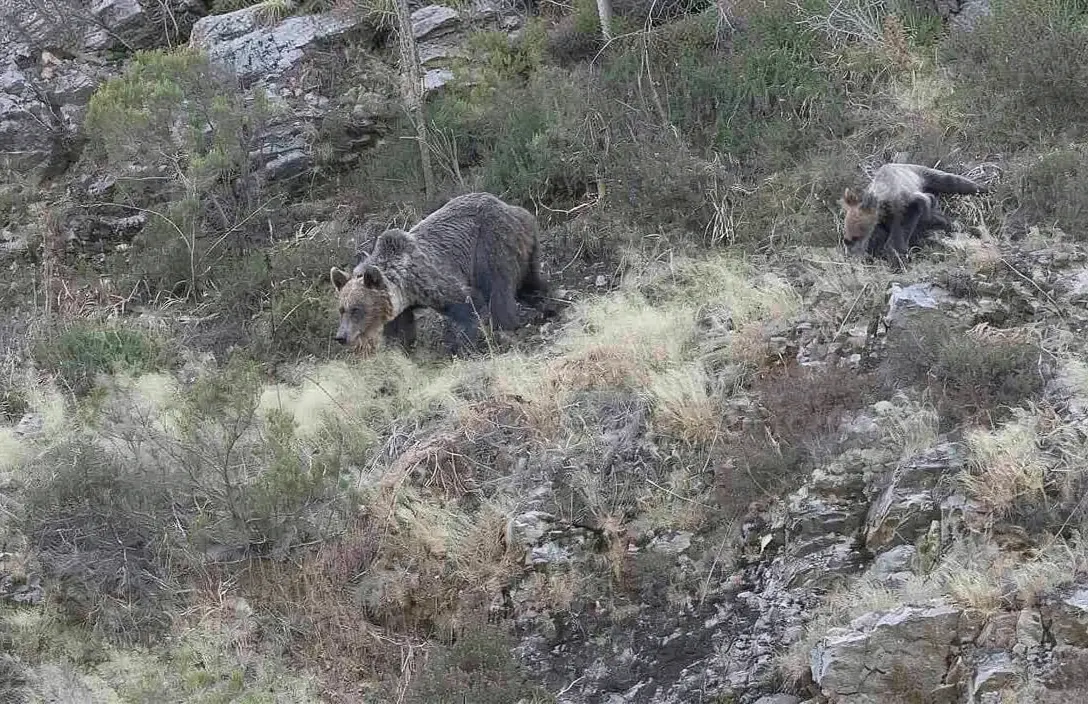
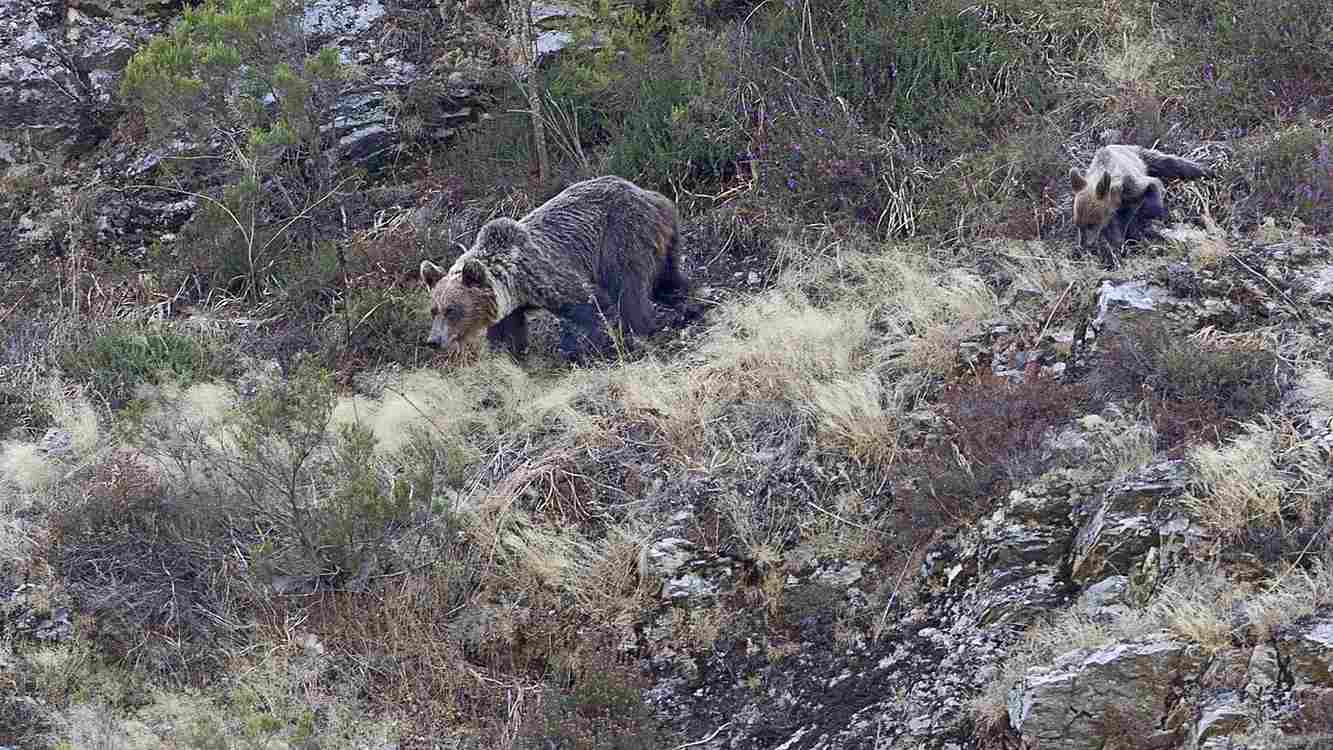
The Cantabrian brown bear population in Spain has doubled over the past 20 years, reaching 370 individuals, according to a study published in the journal Conservation Science and Practice. The population had dwindled to as few as 140 in the early 21st century due to direct human persecution and habitat loss. However, the establishment of protected areas such as Somiedo Natural Park and Redes National Park, along with government protection measures, has facilitated a substantial recovery (Source ID: 1). [1]
Between 1982 and 1992, the bear population experienced a 25% reduction, but by the end of the period from 2003 to 2012, there was a 70% increase in numbers. This growth was accompanied by a 30% expansion in the breeding range, allowing the two previously separated breeding populations in Cantabria to overlap (Source ID: 1). [1]
Additional growth in the geographical range of 77% was observed between 2013 and 2022, covering an area of 17,000 square kilometers. The study highlights that existing management plans by surrounding territories are outdated and do not account for the bear's ability to spread and colonize new areas (Source ID: 1). [1]
The Cantabrian brown bear population in Spain has doubled over the past 20 years, reaching 370 individuals, according to a study published in the journal Conservation Science and Practice. Numbering as few as 140 by estimates in the early 21st century, they are now found across several regions including Asturias, Leon, Galicia, and Palencia, in addition to Cantabria (Source ID: 1). [1]
Advertisement
Between 1982 and 1992, the bear population experienced a 25% reduction, but by the end of the period from 2003 to 2012, there was a 70% increase in numbers. This growth was supported by the creation of protected areas such as Somiedo Natural Park and Redes National Park, which increased the amount of protected areas centered on the last remaining populations of brown bears by 688 square kilometers (Source ID: 1). [1]
Additional growth in the geographical range of 77% was observed between 2013 and 2022, covering an area of 17,000 square kilometers. The study also noted that the total area now occupied by brown bears extends beyond 17,000 square kilometers, or 6,500 square miles, and the bear went locally extinct in neighboring Asturias, where another 5,000 square kilometers of viable habitat is likely one of the next places the growing bear population will expand into (Source ID: 1). [1]
The Cantabrian brown bear population in Spain has doubled over the past 20 years, reaching 370 individuals, according to a study published in the journal Conservation Science and Practice. This recovery follows a period of decline, with a 25% reduction in numbers between 1982 and 1992 (source ID: 1). [1]
The population saw a significant rebound, with a 70% increase in numbers by the end of the period from 2003 to 2012. This growth was supported by the creation of protected areas such as Somiedo Natural Park and Redes National Park, which expanded the amount of protected land by 688 square kilometers (source ID: 1). [1]
Advertisement
Between 2013 and 2022, the geographical range of the Cantabrian brown bear expanded by 77%, covering an area of 17,000 square kilometers. This expansion was observed in the same proportion and areas predicted by the study’s authors (source ID: 1). [1]
The Cantabrian brown bear population in Spain has doubled over the past 20 years, reaching 370 individuals, according to a study published in the journal Conservation Science and Practice (Source ID: 1). This growth follows a period of decline, with a 25% reduction in numbers between 1982 and 1992. However, by the end of the period from 2003 to 2012, the population saw a 70% increase (Source ID: 1). [1]
The geographical range of the Cantabrian brown bear has also expanded significantly, with a 77% increase in coverage between 2013 and 2022, reaching an area of 17,000 square kilometers (Source ID: 1). This expansion has been attributed to the establishment of new protected areas and the government’s continued protection measures (Source ID: 1). [1]
The study highlights that rural depopulation and the creation of protected areas such as Somiedo Natural Park and Redes National Park have played a crucial role in the recovery of the Cantabrian brown bear (Source ID: 1). These measures have allowed the bears to expand their range and increase their numbers significantly (Source ID: 1). [1]
Advertisement
The Cali Reporter newsletter
The stories worth your time.
California, the country, and what comes next. Join our free newsletter for reporting that keeps you informed.
More in Good News
- World's First Non-Malignant Bone Marrow Transplant Successfully Treats Aplastic Anemia
A groundbreaking medical achievement has been made with the successful use of a deceased organ donor's bone marrow to treat a non-malignant disease, offering new hope for patients with aplastic anemia.
- Preserving Kids' Art Through Collaborative Collages
An artist has found a way to help parents preserve their children's artwork while reigniting their own creativity, leading to a growing trend among families.
- Ice Age Cave Paintings Found in Plain Sight for Centuries
A third-largest collection of Ice Age-era engravings was discovered in a Spanish cave that had been visited by thousands of people for centuries without recognition of its historical significance.