The hidden brain bias that makes some lies so convincing
Detecting dishonesty requires people to interpret social cues, judge intent, and decide whether someone's words are trustworthy.

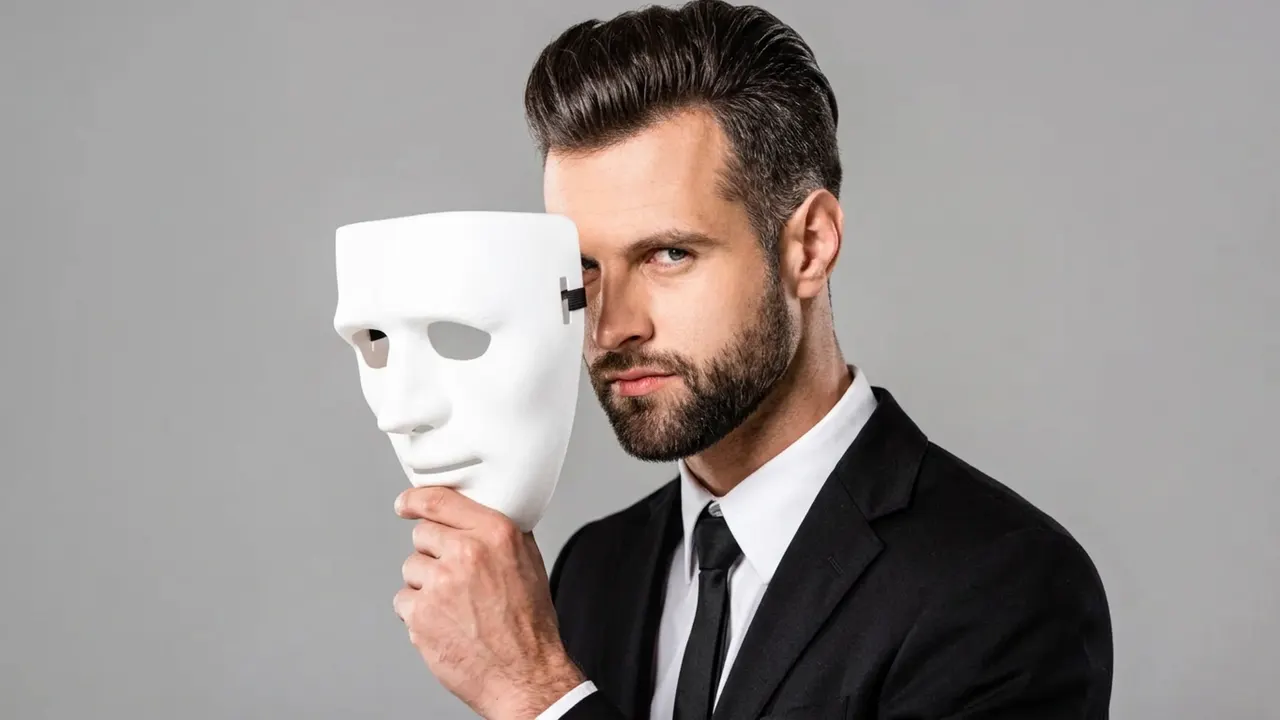

Detecting dishonesty requires people to interpret social cues, judge intent, and decide whether someone's words are trustworthy. Scientists have long wondered how we sort through this kind of social information and how we decide if someone is being honest.
A key question is whether people evaluate information in the same way when it comes from a close friend or from someone they barely know. To explore this, Yingjie Liu from North China University of Science and Technology led a research team investigating how people judge information depending on the relationship they share with the communicator.
First reported by ScienceDaily: Relationships.
The Cali Reporter newsletter
The stories worth your time.
California, the country, and what comes next. Join our free newsletter for reporting that keeps you informed.
More in Relationships
- Family Relationships May Influence Well-Being of Poor Taiwanese Adolescents
A study of Taiwanese adolescents in poverty suggests that family relationships may play a key role in explaining the link between material deprivation and psychological distress, as well as substance use.
- Aggressive Personality Traits and Jealousy in Romantic Relationships
A new study explores how aggressive personality traits and specific love styles contribute to jealousy in romantic relationships.
- Early Brain Differences in Dyslexia Linked to Visual Processing Before Formal Reading
A longitudinal study published in Developmental Cognitive Neuroscience reveals that children who later develop dyslexia already show distinct neural responses to written words in kindergarten, before formal reading…