Truckee Joins Legal Challenge Against EPA's Climate Rollback
The Town of Truckee has joined a coalition of mountain communities in challenging the EPA's decision to rescind a key climate protection, citing concerns over public health, air quality, and the regional economy.

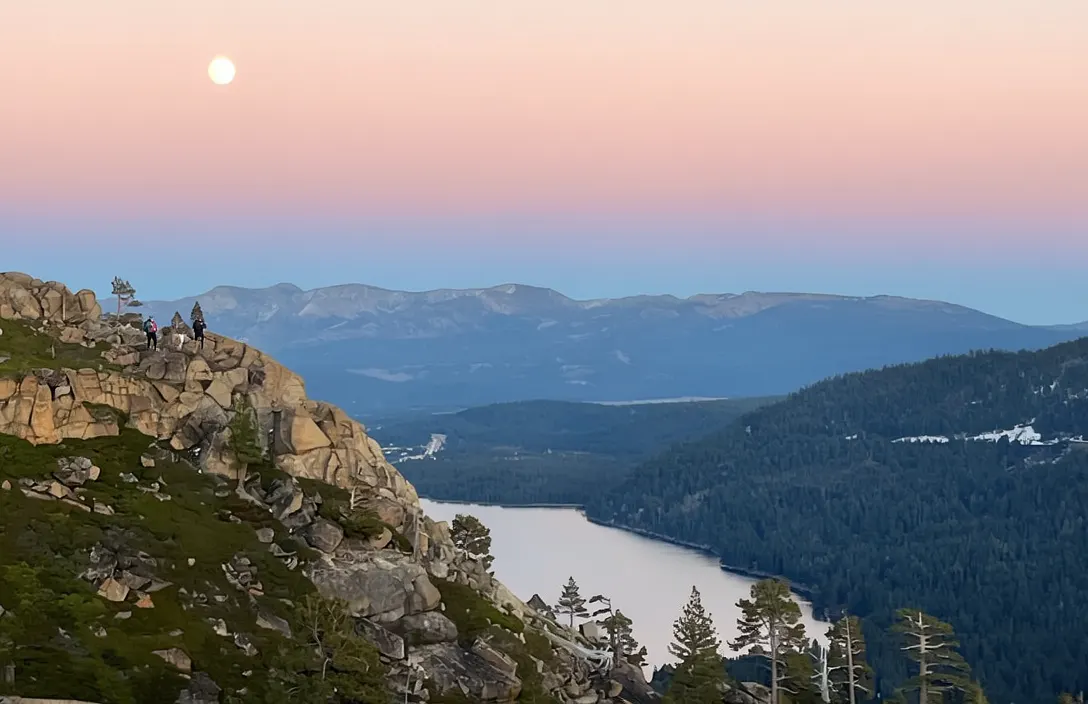

The Town of Truckee has joined a coalition of mountain communities and outdoor recreation organizations in challenging the U.S. Environmental Protection Agency’s decision to rescind a key federal climate protection, citing potential consequences for public health, air quality, and the region’s winter recreation economy (Sierra Sun, 1). Town Council unanimously approved Truckee’s participation in an amicus brief on Tuesday, Nov. 10, supporting a legal challenge to the EPA’s repeal of the Greenhouse Gas Endangerment Finding. The Endangerment Finding, first issued in 2009, determined that greenhouse gas emissions threaten public health and welfare and therefore warrant regulation under the Clean Air Act. [1]
In August 2025, the EPA proposed rescinding the finding, and Truckee submitted a comment letter opposing the proposal, highlighting the impacts of climate change on the region and its economy, as well as local efforts to reduce emissions (Sierra Sun, 1). The EPA repealed the finding on Feb. 18, 2026, eliminating federal greenhouse gas emission standards for cars and trucks. California Attorney General Rob Bonta, alongside 22 other states and multiple cities and counties, filed a lawsuit challenging the rollback. The case, American Public Health Association, et al. v. United States Environmental Protection Agency, is before the U.S. Court of Appeals for the D.C. Circuit. [1]
The amicus brief, organized by Aspen Skiing Company in partnership with Mountain Towns 2030, supports the petitioners challenging the EPA’s decision. An amicus brief, also known as a friend-of-the-court brief, allows organizations that are not parties to a case to provide information and perspectives that may help the court consider the issues (Sierra Sun, 1). The brief will focus on the economic consequences of climate change for ski resorts, mountain communities, and the broader winter recreation economy. It argues that the EPA failed to account for the significant economic harm that unchecked greenhouse gas emissions could cause to mountain communities and outdoor recreation businesses. [1]
The Town of Truckee has joined a coalition of mountain communities and outdoor recreation organizations in challenging the U.S. Environmental Protection Agency’s decision to rescind a key federal climate protection, citing potential consequences for public health, air quality, and the region’s winter recreation economy. Town Council unanimously approved Truckee’s participation in an amicus brief on Tuesday, Nov. 10, supporting a legal challenge to the EPA’s repeal of the Greenhouse Gas Endangerment Finding (Sierra Sun, 1). The Endangerment Finding, first issued in 2009, determined that greenhouse gas emissions threaten public health and welfare and therefore warrant regulation under the Clean Air Act. It served as the legal foundation for federal limits on greenhouse gas emissions from vehicles. [1]
Advertisement
In August 2025, the EPA proposed rescinding the finding. Truckee submitted a comment letter opposing the proposal, highlighting the impacts of climate change on the region and its economy, as well as local efforts to reduce emissions. The EPA repealed the finding on Feb. 18, 2026, eliminating federal greenhouse gas emission standards for cars and trucks. California Attorney General Rob Bonta, alongside 22 other states and multiple cities and counties, filed a lawsuit challenging the rollback. The case, American Public Health Association, et al. v. United States Environmental Protection Agency, is before the U.S. Court of Appeals for the D.C. Circuit (Sierra Sun, 1). [1]
The amicus brief, organized by Aspen Skiing Company in partnership with Mountain Towns 2030, supports the petitioners challenging the EPA’s decision. An amicus brief, also known as a friend-of-the-court brief, allows organizations that are not parties to a case to provide information and perspectives that may help the court consider the issues. The brief will focus on the economic consequences of climate change for ski resorts, mountain communities, and the broader winter recreation economy (Sierra Sun, 1). [1]
The Town of Truckee has joined a coalition of mountain communities and outdoor recreation organizations in challenging the U.S. Environmental Protection Agency’s decision to rescind a key federal climate protection, citing potential consequences for public health, air quality and the region’s winter recreation economy (Sierra Sun, 1). Town Council unanimously approved Truckee’s participation in an amicus brief supporting a legal challenge to the EPA’s repeal of the Greenhouse Gas Endangerment Finding. The Endangerment Finding, first issued in 2009, determined that greenhouse gas emissions threaten public health and welfare and therefore warrant regulation under the Clean Air Act. It served as the legal foundation for federal limits on greenhouse gas emissions from vehicles. [1]
In August 2025, the EPA proposed rescinding the finding. Truckee submitted a comment letter opposing the proposal, highlighting the impacts of climate change on the region and its economy, as well as local efforts to reduce emissions. The EPA repealed the finding Feb. 18, 2026, eliminating federal greenhouse gas emission standards for cars and trucks. California Attorney General Rob Bonta, alongside 22 other states and multiple cities and counties, filed a lawsuit challenging the rollback. The case, American Public Health Association, et al. v. United States Environmental Protection Agency, is before the U.S. Court of Appeals for the D.C. Circuit. [1]
Advertisement
The amicus brief, organized by Aspen Skiing Company in partnership with Mountain Towns 2030, supports the petitioners challenging the EPA’s decision. An amicus brief, also known as a friend-of-the-court brief, allows organizations that are not parties to a case to provide information and perspectives that may help the court consider the issues. The brief will focus on the economic consequences of climate change for ski resorts, mountain communities and the broader winter recreation economy. It argues that the EPA failed to account for the significant economic harm that unchecked greenhouse gas emissions could cause to mountain communities and outdoor recreation businesses. [1]
The Town of Truckee has joined a coalition of mountain communities and outdoor recreation organizations in challenging the U.S. Environmental Protection Agency’s decision to rescind a key federal climate protection, citing potential consequences for public health, air quality and the region’s winter recreation economy (Sierra Sun, 1). Town Council unanimously approved Truckee’s participation in an amicus brief, supporting a legal challenge to the EPA’s repeal of the Greenhouse Gas Endangerment Finding. The Endangerment Finding, first issued in 2009, determined that greenhouse gas emissions threaten public health and welfare and therefore warrant regulation under the Clean Air Act. [1]
In August 2025, the EPA proposed rescinding the finding. Truckee submitted a comment letter opposing the proposal, highlighting the impacts of climate change on the region and its economy, as well as local efforts to reduce emissions (Sierra Sun, 1). The EPA repealed the finding Feb. 18, 2026, eliminating federal greenhouse gas emission standards for cars and trucks. California Attorney General Rob Bonta, alongside 22 other states and multiple cities and counties, filed a lawsuit challenging the rollback. [1]
The amicus brief, organized by Aspen Skiing Company in partnership with Mountain Towns 2030, supports the petitioners challenging the EPA’s decision (Sierra Sun, 1). An amicus brief, also known as a friend-of-the-court brief, allows organizations that are not parties to a case to provide information and perspectives that may help the court consider the issues. The brief will focus on the economic consequences of climate change for ski resorts, mountain communities and the broader winter recreation economy. [1]
Advertisement
The Cali Reporter newsletter
The stories worth your time.
California, the country, and what comes next. Join our free newsletter for reporting that keeps you informed.