UK's 'Neets' Crisis and Proposed Radical Reforms
A new report highlights the growing number of young people in the UK who are not in education, employment, or training, and proposes sweeping changes to address the issue.

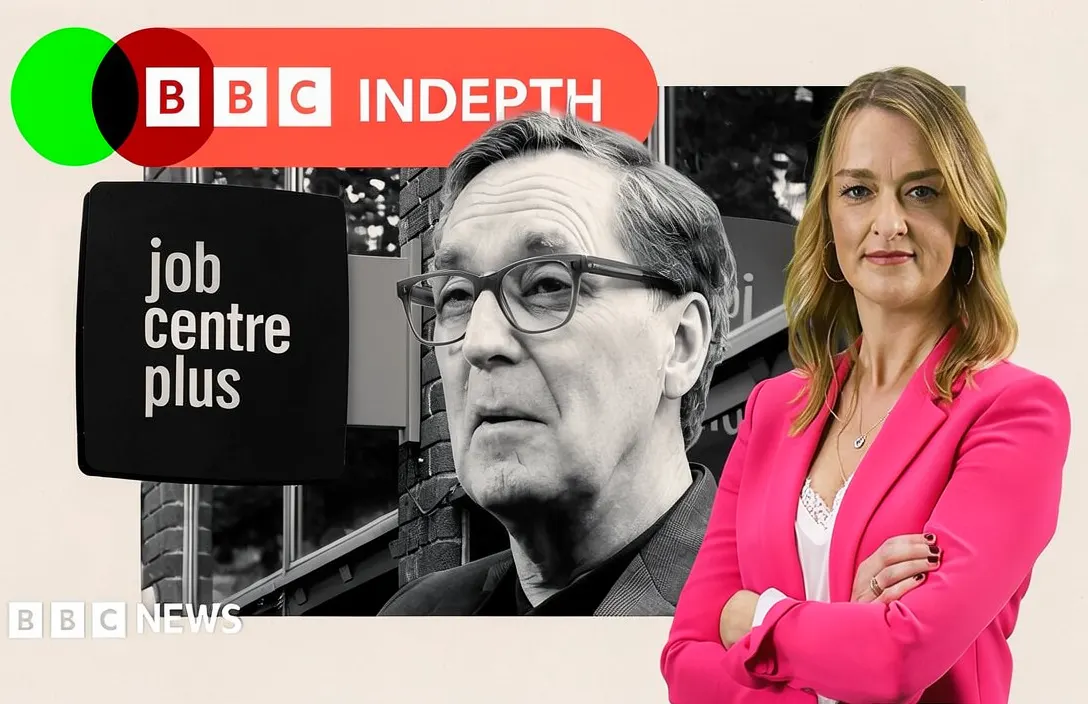

The UK faces a significant challenge with the growing number of young people who are not in education, employment, or training (Neets), a situation that has persisted for over a decade (source ID 1). The problem, initially identified in 1999 with around 170,000 teenagers in this category, has escalated to nearly a million under-25s currently in this situation. The economic cost is estimated at £22 billion annually, with the human cost described as a national shame and a moral crisis. [1]
A comprehensive review led by former Labour MP Alan Milburn proposes a radical shift in the balance of taxpayer spending, suggesting that the amount spent on young people's benefits should be reduced from 25 times that of employment support to a ratio of two to one (source ID 1). The review also recommends expanding further education, training, and health support, while introducing a legal guarantee to ensure young people receive opportunities such as jobs, apprenticeships, or training. [1]
The proposed reforms aim to create a permanent system rather than temporary schemes, with a legal duty on local authorities to provide support similar to obligations for children in care or homeless individuals (source ID 1). The plans, however, face political challenges, including the need for significant upfront investment and the potential for criticism from both the left and right, with concerns over the timing and implementation of the reforms. [1]
The UK faces a significant challenge with the growing number of young people who are not in education, employment, or training (Neets), a situation that has persisted for over a decade (source ID 1). The term 'Neet' was first coined by Tony Blair's Downing Street in 1999, initially referring to 170,000 teenagers who were not in education, employment, or training. However, after many attempts at solving the problem, including the impact of a pandemic and years of a sluggish economy, the situation has worsened, with nearly a million under-25s now in that situation (source ID 1). [1]
Advertisement
A comprehensive review led by former Labour MP Alan Milburn proposes a radical shift in the balance of taxpayer spending, suggesting that the amount spent on young people's benefits should be reduced from 25 times that of employment support to a ratio of two to one (source ID 1). The proposed reforms aim to create a permanent system rather than temporary schemes, with a legal duty on local authorities to provide support similar to obligations for children in care or homeless people. Milburn's collection of proposals is not for the faint-hearted, including plans to stop under-25s claiming the main sickness and disability benefits (source ID 1). [1]
To ensure that the government takes the issue seriously, Milburn is asking for a new law that would give young people a guarantee of help and support, such as a job, apprenticeship, or training place, an 'opportunity guarantee' (source ID 1). The recommendations apply to the whole UK, but the precise implementation in Scotland, Wales, and Northern Ireland will be detailed in draft laws. New research from the Lib Dems suggests that if nothing is done, the number of Neets could reach 1.26 million by 2031, highlighting the urgency of the situation (source ID 1). [1]
The UK faces a significant challenge with the growing number of young people who are not in education, employment, or training (Neets), a situation that has persisted for over a decade (source ID 1). The issue has become increasingly acute, with nearly a million under-25s in that situation, despite various attempts at solving it over the years (source ID 1). A comprehensive review led by former Labour MP Alan Milburn proposes a radical shift in the balance of taxpayer spending, suggesting that the amount spent on young people's benefits should be reduced from 25 times that of employment support to a ratio of two to one (source ID 1). [1]
To ensure that the government takes the issue seriously, Milburn is asking for a new law that would give young people a guarantee of help and support, such as a job, apprenticeship, or training place (source ID 1). The proposed reforms aim to create a permanent system rather than temporary schemes, with a legal duty on local authorities to provide support similar to obligations for children in care or homeless individuals (source ID 1). The review, which has been a year in the making, is described as one of the most ambitious and wide-ranging sets of recommendations in recent government history (source ID 1). [1]
Advertisement
The recommendations apply to the whole UK, but the precise way the powers might be used in Scotland, Wales, and Northern Ireland will be worked out when it gets to the finer details of draft laws (source ID 1). The scale of the practical challenge can be seen from space, as new research from the Lib Dems suggests that if nothing is done, the number of Neets would hit 1.26 million by 2031 (source ID 1). Milburn himself cites figures that put the cost of the issue at £22bn a year (source ID 1). [1]
The UK faces a significant challenge with the growing number of young people who are not in education, employment, or training (Neets), a situation that has persisted for over a decade (source ID 1). The term 'Neet' was first coined by Tony Blair's Downing Street in 1999, referring to 170,000 teenagers who were not in education, employment, or training. After many attempts at solving the problem, add in a pandemic and years of a sluggish economy, it's acute - with nearly a million under-25s in that situation (source ID 1). [1]
A comprehensive review led by former Labour MP Alan Milburn proposes a radical shift in the balance of taxpayer spending, suggesting that the amount spent on young people's benefits should be reduced from 25 times that of employment support to a ratio of two to one (source ID 1). Milburn's collection of proposals includes a plan to stop under-25s claiming the main sickness and disability benefits, and he wants to shift the balance of what the taxpayer spends on benefits for young people compared with what is spent on support to help them get into work (source ID 1). [1]
To ensure that the government takes the issue seriously, Milburn is asking for a new law that would give young people a guarantee of help and support, such as a job, apprenticeship, or training place (source ID 1). The recommendations apply to the whole UK, but the precise way the powers might be used in Scotland, Wales, and Northern Ireland will be worked out when it gets to the finer details of draft laws (source ID 1). [1]
Advertisement
The Cali Reporter newsletter
The stories worth your time.
California, the country, and what comes next. Join our free newsletter for reporting that keeps you informed.
More in World
- Former Hamas Bodyguard Convicted in UK Knife Attack
A former Hamas bodyguard, Mohammed Alfatih, has been found guilty of a knife attack on a bailiff outside his UK home, according to a report by the BBC.
- Woman Survives Near-Fatal Reaction to Unlicensed Weight-Loss Injection
A woman from Birkenhead narrowly avoided death after suffering severe hypoglycaemia from an unlicensed weight-loss injection, highlighting the dangers of black market drugs.
- US Air Force Responds to Drone Activity at UK Base
The US Air Force has confirmed it responded to suspected unauthorized drone activity at RAF Lakenheath in Suffolk, though no damage or injuries were reported. The incident has raised concerns about security at US…