Ada Le Poidevin's WWII Heroism Uncovered by Niece
Diaries uncovered by her niece shed light on Ada Le Poidevin’s efforts to hide troops during World War II.

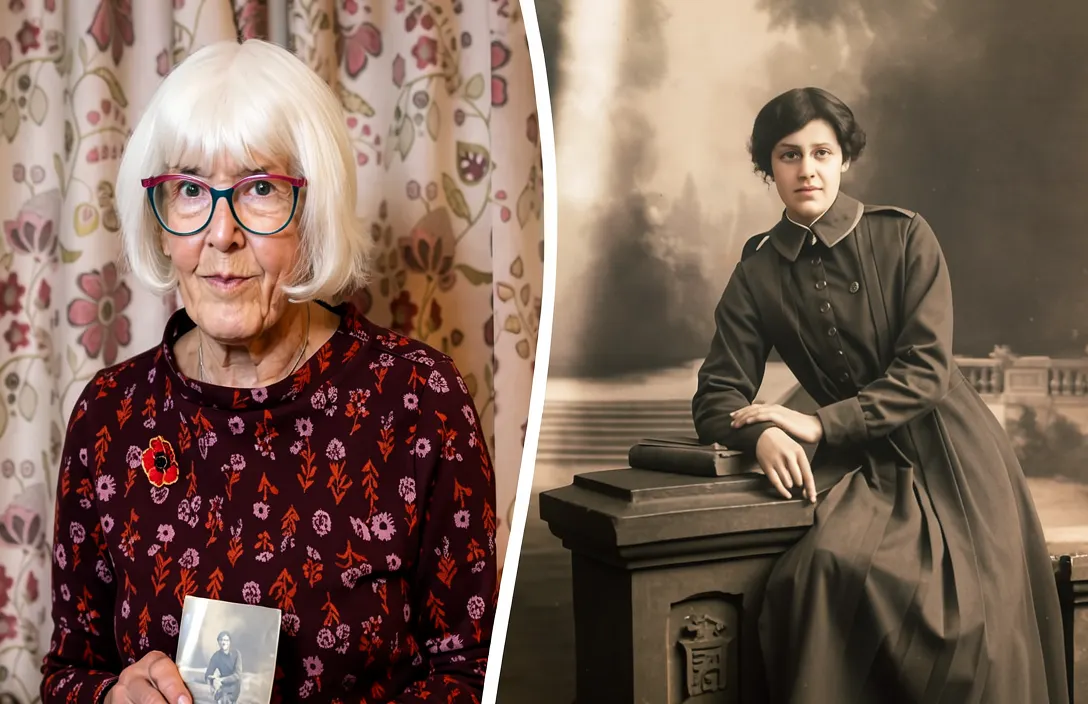
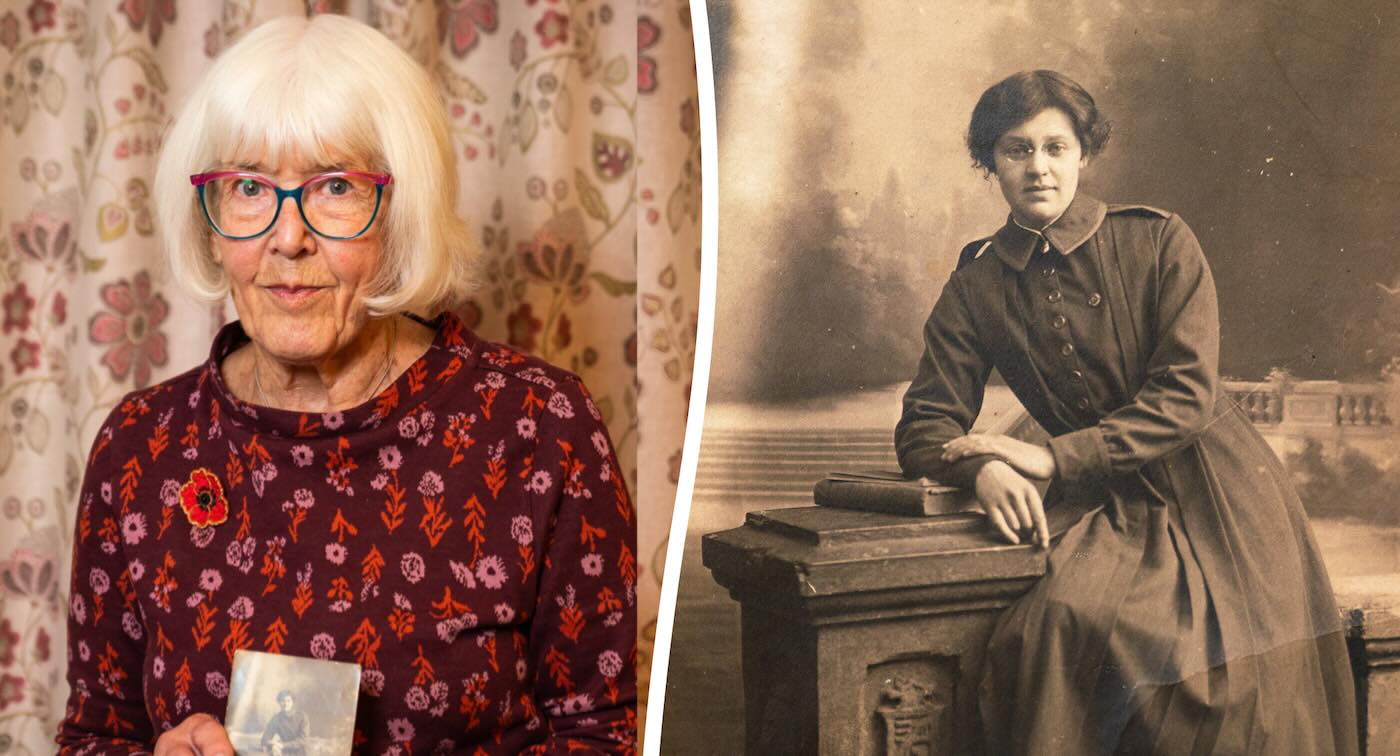
The heroic wartime actions of Ada Le Poidevin, a British shopkeeper who sheltered Allied commandos during WWII, have been revealed 40 years after her death by her niece, Liz Walton. This discovery highlights the often-overlooked contributions of women during wartime and sheds light on the significant risks individuals faced in Nazi-occupied territories (1). Ada Le Poidevin lived on the island of Guernsey in the English Channel during WWII, where she provided shelter to three British soldiers—Corporal Dennis Dumper, Pvt. Fred Drain, and Pvt. Andrew Ross—who were left behind during a 1940 raid on Nazi-occupied land. Despite the presence of German troops living next door, Ada and her husband, Walter, offered their garden shed as a refuge for the soldiers, despite the severe consequences if they were discovered (1). [1]
This act of bravery was not Ada’s first during wartime. During WWI, she spent two years supporting British troops in France, working in camps that came under enemy fire and suffering heavy damage (1). Her niece, Liz Walton, pieced together Ada’s wartime experiences using a collection of diaries, photographs, and records she inherited after Ada’s death at the age of 88 (1). Walton, a retired teacher from Guernsey, described the immense risks Ada faced, noting that people who were caught aiding Allied forces were sent to concentration camps (1). [1]
Ada’s wartime contributions extend beyond her WWII heroism. She volunteered for the Salvation Army in France in 1917, providing refreshments to soldiers, writing letters for them, and mending their clothes at sites that were frequently under fire (1). After the war, she continued to support bereaved families by helping them travel to France to visit the graves of loved ones killed during the conflict (1). These actions highlight the significant role women played during both World Wars, as they took on roles previously held by men and contributed to the war effort in various capacities (1). [1]
Ada’s story, uncovered by her niece, serves as a reminder of the countless individuals who risked their lives to support Allied forces during some of the most challenging periods in history (1). Her legacy continues to inspire and educate, emphasizing the courage and sacrifice of women who played a vital role in shaping the course of the 20th century (1). [1]
Advertisement
Ada Le Poidevin’s wartime heroism was revealed through the efforts of her niece, Liz Walton, who uncovered a wealth of historical evidence, including diaries, photographs, and official records. Ada, who lived on the island of Guernsey in the English Channel, sheltered three British soldiers—Corporal Dennis Dumper, Pvt. Fred Drain, and Pvt. Andrew Ross—in 1940 during a raid on Nazi-occupied territory. Despite the German troops living next door, Ada and her husband, Walter, provided the trio with shelter in their garden shed, risking severe consequences if they were discovered (1). [1]
Ada’s bravery during WWII was not her first act of wartime service. During World War I, she volunteered for the Salvation Army in France in 1917, working in British camps that came under enemy fire. She spent two years providing refreshments, writing letters, and mending clothes for soldiers. After the war, she continued to support bereaved families by helping them visit the graves of their loved ones in France, often leaving flowers and taking photographs to send home to their relatives (1). [1]
Ada’s story highlights the significant but often overlooked roles women played during both world wars. Liz Walton, a retired teacher from Guernsey, described how Ada’s contributions during both conflicts exemplify the courage of ordinary people during extraordinary times. Ada’s actions, including her work during WWI and her sheltering of Allied soldiers during WWII, reflect the immense sacrifices made by individuals who supported Allied forces despite the risks involved (1). [1]
Ada’s legacy, as uncovered by her niece, underscores the importance of preserving and sharing the stories of those who contributed to the war effort. Liz Walton’s efforts to piece together Ada’s wartime experiences through historical records and personal accounts have brought renewed attention to the role of women in wartime service. Ada’s story is a testament to the courage and compassion of individuals who made significant contributions during some of the most challenging periods in history (1). [1]
Advertisement
Ada Le Poidevin’s wartime bravery was revealed through the efforts of her niece, Liz Walton, who uncovered a wealth of historical evidence, including diaries, photographs, and official records. Ada’s bravery during WWII was not her first act of wartime service. Ada’s story highlights the significant but often overlooked roles women played during both world wars. Ada’s legacy, as uncovered by her niece, underscores the importance of preserving and sharing the stories of those who contributed to the war effort (1). [1]
Ada Le Poidevin was living on the island of Guernsey in the English Channel when she sheltered three British soldiers left behind during a raid on the Nazi-occupied land in 1940. Despite German troops living next door, she decided to help Corporal Dennis Dumper, Pvt. Fred Drain, and Pvt. Andrew Ross who were stranded without food or shelter. Ada and her husband Walter offered their garden shed for them to hide in, despite severe consequences if the trio were to be discovered (1). [1]
Ada’s wartime contributions extend beyond her WWII heroism. During WWI, she spent two years supporting British troops in France working in camps that came under enemy fire—and suffered heavy damage. Ada was born in 1895 in Guernsey (30 miles west of the coastline of Normandy, France), and volunteered for the Salvation Army in France in 1917, while in her early 20s. Ada spent two years in British camps, providing refreshments to soldiers, writing letters for them, and mending their clothes—at sites being fired upon more than once (1). [1]
Liz Walton, a retired teacher from Guernsey, turned into a detective to match her aunt’s personal accounts and photos with official wartime records. She had been fascinated by Ada’s stories since childhood until she died at the age of 88—of ordinary people sacrificing during extraordinary times. Ada’s Salvation Army medal from WWI and her passport when she went to WWI are among the historical artifacts that highlight her contributions (1). [1]
Advertisement
Ada Le Poidevin’s story, as uncovered by her niece Liz Walton, underscores a larger issue: the underrepresentation of women in historical accounts of wartime heroism. While Ada’s actions during WWII—specifically her sheltering of three British soldiers on the island of Guernsey in 1940—have been brought to light, similar acts of bravery by women across both world wars often remain unacknowledged. Walton’s efforts to piece together Ada’s wartime contributions through diaries, photographs, and official records have not only highlighted Ada’s heroism but also emphasized the need to revisit historical narratives that may have overlooked the roles women played in military and support capacities (1). [1]
Ada’s service during WWI, where she volunteered for the Salvation Army and supported British troops in France, further illustrates the extensive yet frequently unacknowledged contributions of women in wartime. Walton’s research has revealed that Ada spent two years in British camps, providing refreshments, writing letters, and mending clothes for soldiers—often under the threat of enemy fire. Her later efforts to assist bereaved families by visiting soldiers’ graves in France also reflect a pattern of selfless service that was common among women but rarely documented. These activities, however, raise questions about how such contributions are systematically recorded and whether future generations will have access to similar historical evidence (1). [1]
The recognition of Ada’s wartime contributions also brings to light the broader societal changes that occurred as a result of women’s involvement in both world wars. Liz Walton has noted that women’s roles in the war effort helped shift societal expectations, paving the way for greater independence and employment opportunities for women in the post-war era. However, the extent to which these changes were influenced by individual acts of bravery and service, such as Ada’s, remains a subject of further inquiry. What to watch for in the future is how historical institutions and educational systems incorporate these overlooked stories into mainstream narratives (1). [1]
As Liz Walton continues to advocate for the recognition of Ada’s legacy, the question remains: how many other women’s wartime contributions have been lost to history? The preservation of personal accounts, photographs, and official records is crucial in ensuring that future generations can learn from the sacrifices and heroism of those who came before them. What to watch next is whether initiatives such as Walton’s will inspire a broader movement to uncover and document the stories of unsung wartime heroes, particularly women whose roles have been historically marginalized (1). [1]
Advertisement
Editorial note: This article is sourced. Some claims are awaiting further verification.
Sources
Prepared with AI assistance from the cited sources.
The Cali Reporter newsletter
The stories worth your time.
California, the country, and what comes next. Join our free newsletter for reporting that keeps you informed.
More in Good News
- World's First Non-Malignant Bone Marrow Transplant Successfully Treats Aplastic Anemia
A groundbreaking medical achievement has been made with the successful use of a deceased organ donor's bone marrow to treat a non-malignant disease, offering new hope for patients with aplastic anemia.
- Preserving Kids' Art Through Collaborative Collages
An artist has found a way to help parents preserve their children's artwork while reigniting their own creativity, leading to a growing trend among families.
- Spain's Cantabrian Brown Bear Population Doubles in 20 Years
Spain has witnessed a remarkable recovery of its Cantabrian brown bear population over the last two decades, with numbers doubling to 370 individuals and their breeding range expanding significantly.