Blood-Thinning Drug May Slow Osteoarthritis Progression in Animal Studies
A study suggests that a drug commonly used to prevent blood clots may also reduce cartilage damage and relieve osteoarthritis pain in animals, offering a potential new approach to treating the condition.

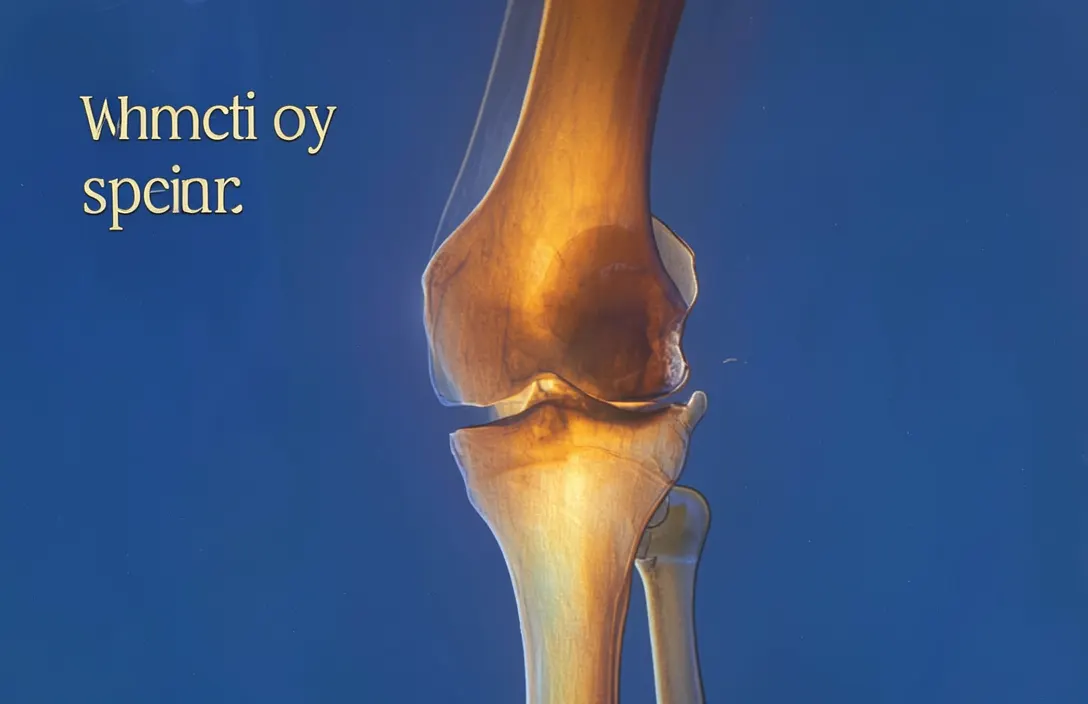

A drug that prevents blood clots reduced pain and improved mobility in mice and monkeys with knee osteoarthritis, according to a study published in Science Translational Medicine. The drug, dabigatran, is known for blocking inflammatory signals via both TNF-alpha and IL-1-beta, which are thought to drive inflammation that worsens osteoarthritis. The study involved surgically removing part of the cartilage in the left knee joints of eight monkeys to mimic wear and tear that triggers osteoarthritis. Four of the monkeys received a daily dose of dabigatran mixed into their food, while the remaining monkeys served as a control group. After seven months, MRI scans revealed that the left-knee cartilage in monkeys on dabigatran was about 60 percent thicker, on average, compared to the control monkeys. This suggests that the drug reduced cartilage damage, slowing the progression of osteoarthritis (New Scientist Health, ID: 1). [1]
Monkeys on dabigatran also had a roughly 15 percent greater range of motion in their left knee than the control monkeys. The researchers confirmed their findings in mice with surgically-induced knee osteoarthritis, which also revealed that dabigatran reduced inflammation in the knee by about 60 percent. The findings suggest that dabigatran could slow the progression of osteoarthritis in people. However, it is unclear whether the approach can reverse damage that has already occurred. Another limitation is that giving people a drug that reduces blood clotting puts them at greater risk of bleeds, so the researchers are now developing drugs that target TNF-alpha and IL-1-beta without reducing clotting (New Scientist Health, ID: 1). [1]
Osteoarthritis is a degenerative joint condition that causes pain, swelling, and stiffness, affecting a person's ability to move freely. It is most common in the knees, hips, spine, and hands. Many factors can contribute to developing osteoarthritis, including a history of joint injury, older age, and being overweight. It affects women more than men. Exercise and healthy eating to build strong muscles and keep a healthy weight can reduce symptoms. Surgery to replace joints is used in severe cases to reduce pain and regain mobility (www.who.int, ID: 2). [2]
A drug that prevents blood clots reduced pain and improved mobility in mice and monkeys with knee osteoarthritis, according to a study published in Science Translational Medicine. The approach seems to partly work by reducing inflammatory signals that degrade cartilage. Osteoarthritis is caused by the wear and tear of cartilage that cushions the ends of bones, leading to inflammation, pain and stiffness. It affects more than 500 million people worldwide. Painkillers and anti-inflammatory drugs can relieve symptoms, but no approved drugs halt or slow worsening of the disease. “We have nothing to offer our patients apart from suggesting weight loss, or offering drugs that provide pain relief,” says Tonia Vincent at the University of Oxford, who wasn’t involved in the study. It is widely thought that inflammatory molecules called TNF-alpha and IL-1-beta drive inflammation that worsens osteoarthritis. This has led to clinical trials testing drugs that target either of these molecules. But these have been unsuccessful, potentially because these molecules compensate for each other when one is blocked, according to Chuan-Ju Liu at Yale University and his colleagues. [1]
Advertisement
To explore whether targeting both molecules may be more effective, the researchers surgically removed part of the cartilage in the left knee joints of eight monkeys to mimic wear and tear that triggers osteoarthritis. A month later, four of the monkeys took a daily dose of a drug called dabigatran, mixed into their food. Dabigatran is commonly used to prevent blood clots in people at increased risk of strokes, but has also been shown to block inflammatory signals via both TNF-alpha and IL-1-beta. The remaining monkeys ate their usual food as a control. After seven months, MRI scans revealed that the left-knee cartilage in monkeys on dabigatran was about 60 per cent thicker, on average, compared to the control monkeys. This suggests that the drug reduced cartilage damage, slowing the progression of osteoarthritis, says Liu. [1]
Osteoarthritis is a degenerative joint condition that causes pain, swelling, and stiffness, affecting a person's ability to move freely. It is most common in the knees, hips, spine and hands. Many factors can contribute to developing osteoarthritis, including a history of joint injury or overuse, older age and being overweight. It affects women more than men. Exercise and healthy eating to build strong muscles and keep a healthy weight can reduce symptoms. Surgery to replace joints is used in severe cases to reduce pain and regain mobility. Once pain and loss of movement function become chronic, people with osteoarthritis often experience restrictions in participating in meaningful activities, decreased well-being, and psychological distress. [2]
Sources
Prepared with AI assistance from the cited sources.
The Cali Reporter newsletter
The stories worth your time.
California, the country, and what comes next. Join our free newsletter for reporting that keeps you informed.
More in Health & Medicine
- Brain Energy Mismatches in Schizophrenia
A new study explores the potential role of energy bottlenecks in brain cells in explaining fragmented experiences of time, space, and self in schizophrenia.
- Brazil Reports First Mpox Death in 2026
Brazil has recorded its first mpox-related death in 2026, but public health officials are not classifying the current surge in cases as an outbreak, according to the Fiocruz Institute.
- Personalized Therapies for IBD May Target Specific Harmful Gut Bacteria
A study led by Dr. Lukas Mager and Prof. Kathy McCoy has identified two gut bacteria that promote inflammation in inflammatory bowel disease, opening the door for personalized treatments.