Brain circuit linking amygdala and dorsolateral striatum implicated in OCD
Study in Neuron identifies a previously unknown neural pathway that amplifies sensory-driven behaviors in a mouse model of OCD, offering new targets for precise interventions.

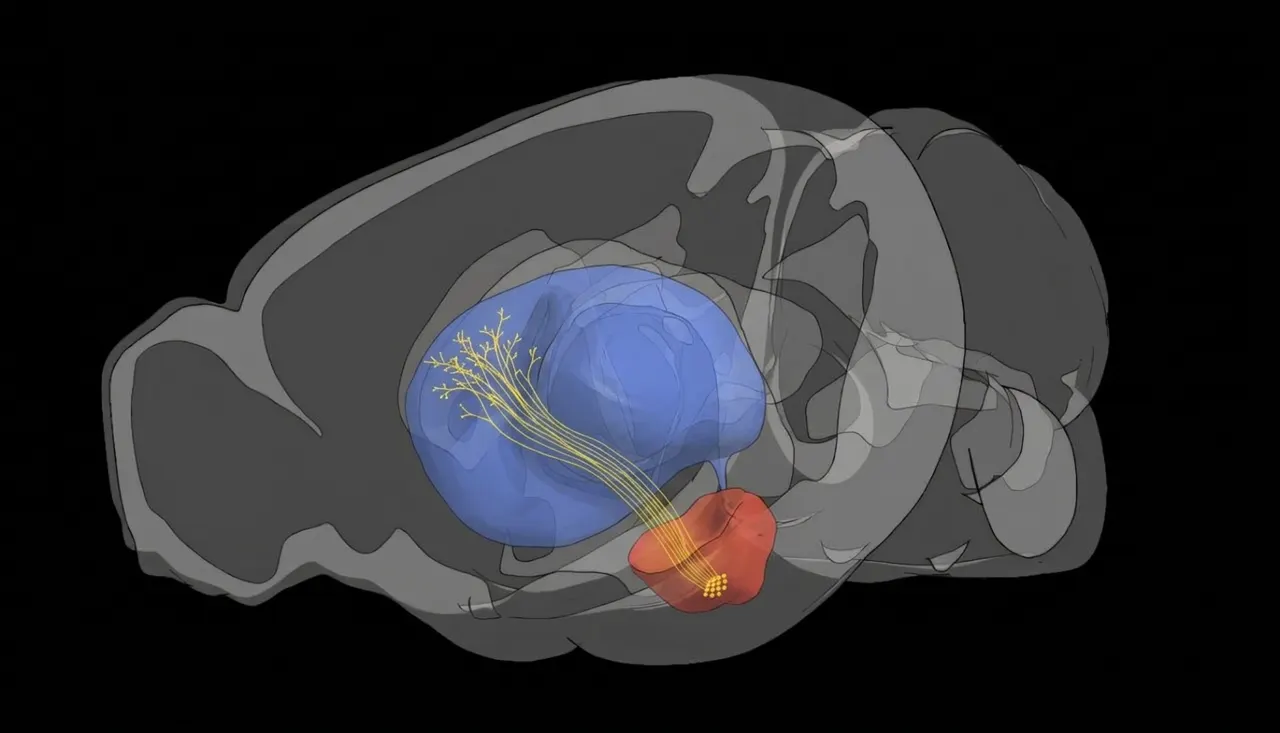

A previously unidentified brain circuit connecting the amygdala and dorsolateral striatum (DLS) plays a key role in obsessive-compulsive disorder (OCD), according to research led by Joshua L. Plotkin at Stony Brook University and published in Neuron. Using a mouse model, the team found that a small projection from the amygdala, involved in emotional processing, to the DLS, which governs habitual behaviors, has an outsized influence on motor responses.
The connection, mapped at single-synapse resolution by first author Zachary Hobel, enhances synaptic plasticity and amplifies sensory-evoked behaviors. For instance, stimulating this circuit while delivering a water droplet to a mouse’s nose prolonged face-grooming long after the stimulus ended, modeling compulsive behavior. Inhibiting the amygdala in OCD-prone mice prevented such OCD-like actions.
Although human and mouse brains differ structurally, their regional organization is similar, and the mice respond to standard OCD medications. Plotkin noted the circuit may explain how emotionally salient experiences strengthen cue-action links, turning normal behaviors into compulsions. The findings point to this amygdala, DLS pathway as a promising target for more precise OCD treatments.
Prepared with AI assistance from the cited sources.
The Cali Reporter newsletter
The stories worth your time.
California, the country, and what comes next. Join our free newsletter for reporting that keeps you informed.
More in Health & Medicine
- Brain Energy Mismatches in Schizophrenia
A new study explores the potential role of energy bottlenecks in brain cells in explaining fragmented experiences of time, space, and self in schizophrenia.
- Brazil Reports First Mpox Death in 2026
Brazil has recorded its first mpox-related death in 2026, but public health officials are not classifying the current surge in cases as an outbreak, according to the Fiocruz Institute.
- Personalized Therapies for IBD May Target Specific Harmful Gut Bacteria
A study led by Dr. Lukas Mager and Prof. Kathy McCoy has identified two gut bacteria that promote inflammation in inflammatory bowel disease, opening the door for personalized treatments.