Brain-Computer Interfaces Offer New Communication Options for Paralyzed Patients
Recent advancements in brain-computer interfaces (BCIs) are providing new communication tools for individuals with paralysis, as demonstrated in clinical trials and research presented at Neuroscience 2026.

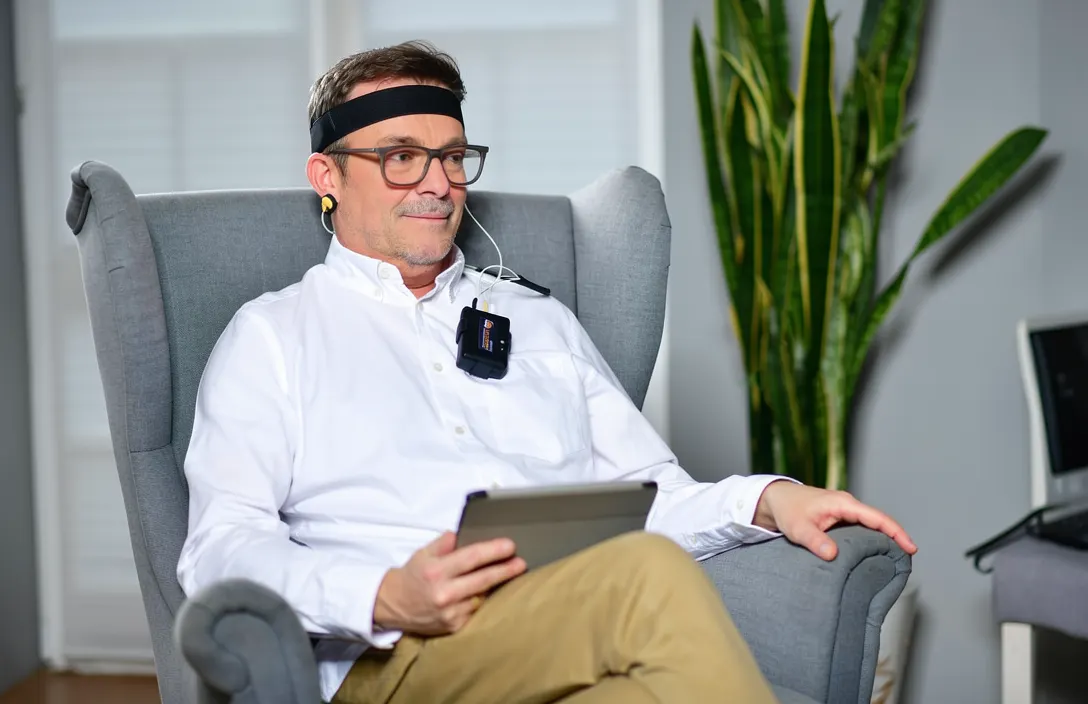

Recent advancements in brain-computer interfaces (BCIs) are helping restore communication in clinical trial participants who have lost the ability to speak or make voluntary movements, according to findings presented at Neuroscience 2026, the annual meeting of the Society for Neuroscience (source ID 1). These interfaces record brain signals and translate them into commands to control computers, prosthetic limbs, or other devices, offering potential solutions for individuals with neurological disorders such as amyotrophic lateral sclerosis (ALS), stroke, and other conditions that result in paralysis. [1]
New findings from the conference show that a BCI used a synthetic voice capable of capturing pitch variations to facilitate expressive communication for paralyzed patients, improving listener comprehension and even allowing a patient to sing (source ID 1). This development highlights the growing potential of BCIs to restore functions lost due to neurological disorders, as well as the progress being made in making these technologies more practical for real-world use. [1]
An individual in a completely locked-in state was able to communicate independently for more than a year with a BCI that decodes intended movement from brain activity (source ID 1). These findings demonstrate the increasing accuracy and reliability of BCIs in helping paralyzed patients regain communication abilities, which could have life-changing implications for those affected by severe neurological conditions. [1]
Recent advancements in brain-computer interfaces (BCIs) are helping restore communication in clinical trial participants who have lost the ability to speak or make voluntary movements, according to findings presented at Neuroscience 2026, the annual meeting of the Society for Neuroscience (source ID 1). These interfaces record a person's brain signals and translate them into commands to control computers, prosthetic limbs, or other devices. The technology is still largely experimental but shows promise for restoring functions lost due to amyotrophic lateral sclerosis (ALS, or Lou Gehrig's disease), stroke, and other neurological disorders (source ID 1). [1]
Advertisement
New findings show that a BCI used a synthetic voice capable of capturing pitch variations to facilitate expressive communication for paralyzed patients, improving listener comprehension and even allowing a patient to sing (source ID 1). This capability represents a significant step forward in developing communication tools that mimic natural speech patterns, which can be crucial for maintaining social and emotional connections for individuals with severe motor impairments (source ID 1). [1]
An individual in a completely locked-in state was able to communicate independently for more than a year with a BCI that decodes intended movement from brain activity (source ID 1). This achievement highlights the potential of BCIs to provide long-term, reliable communication solutions for people with paralysis, offering hope for a future where such technologies can be used outside clinical trials (source ID 1). [1]
Recent advancements in brain-computer interfaces (BCIs) are helping restore communication in clinical trial participants who have lost the ability to speak or make voluntary movements, according to findings presented at Neuroscience 2026, the annual meeting of the Society for Neuroscience (source ID 1). [1]
New findings show that a BCI used a synthetic voice capable of capturing pitch variations to facilitate expressive communication for paralyzed patients, improving listener comprehension and even allowing a patient to sing (source ID 1). [1]
Advertisement
An individual in a completely locked-in state was able to communicate independently for more than a year with a BCI that decodes intended movement from brain activity (source ID 1). [1]
A portable brain-to-text BCI offers accurate, efficient, and reliable decoding of brain activity into written words, even on an iPhone (source ID 1). [1]
Recent advancements in brain-computer interfaces (BCIs) are helping restore communication in clinical trial participants who have lost the ability to speak or make voluntary movements, according to findings presented at Neuroscience 2026, the annual meeting of the Society for Neuroscience (source ID 1). These interfaces record brain signals and translate them into commands to control computers, prosthetic limbs, or other devices, offering potential for restoring functions lost due to amyotrophic lateral sclerosis (ALS), stroke, and other neurological disorders. [1]
New findings from the conference show that a BCI used a synthetic voice capable of capturing pitch variations to facilitate expressive communication for paralyzed patients, improving listener comprehension and even allowing a patient to sing (source ID 1). This development highlights the potential of BCIs to restore not only basic communication but also more nuanced and expressive forms of interaction for individuals with severe motor impairments. [1]
Advertisement
An individual in a completely locked-in state was able to communicate independently for more than a year with a BCI that decodes intended movement from brain activity (source ID 1). This case illustrates the long-term viability of such technologies and their potential to significantly improve the quality of life for people with paralysis. [1]
Sources
Prepared with AI assistance from the cited sources.
The Cali Reporter newsletter
The stories worth your time.
California, the country, and what comes next. Join our free newsletter for reporting that keeps you informed.
More in Health & Medicine
- Brain Energy Mismatches in Schizophrenia
A new study explores the potential role of energy bottlenecks in brain cells in explaining fragmented experiences of time, space, and self in schizophrenia.
- Brazil Reports First Mpox Death in 2026
Brazil has recorded its first mpox-related death in 2026, but public health officials are not classifying the current surge in cases as an outbreak, according to the Fiocruz Institute.
- Personalized Therapies for IBD May Target Specific Harmful Gut Bacteria
A study led by Dr. Lukas Mager and Prof. Kathy McCoy has identified two gut bacteria that promote inflammation in inflammatory bowel disease, opening the door for personalized treatments.