China's Qinghai Launches World's Largest Liquid Air Energy Storage Facility
A 60-megawatt facility in Qinghai uses liquid air to store energy for use when the grid needs it.

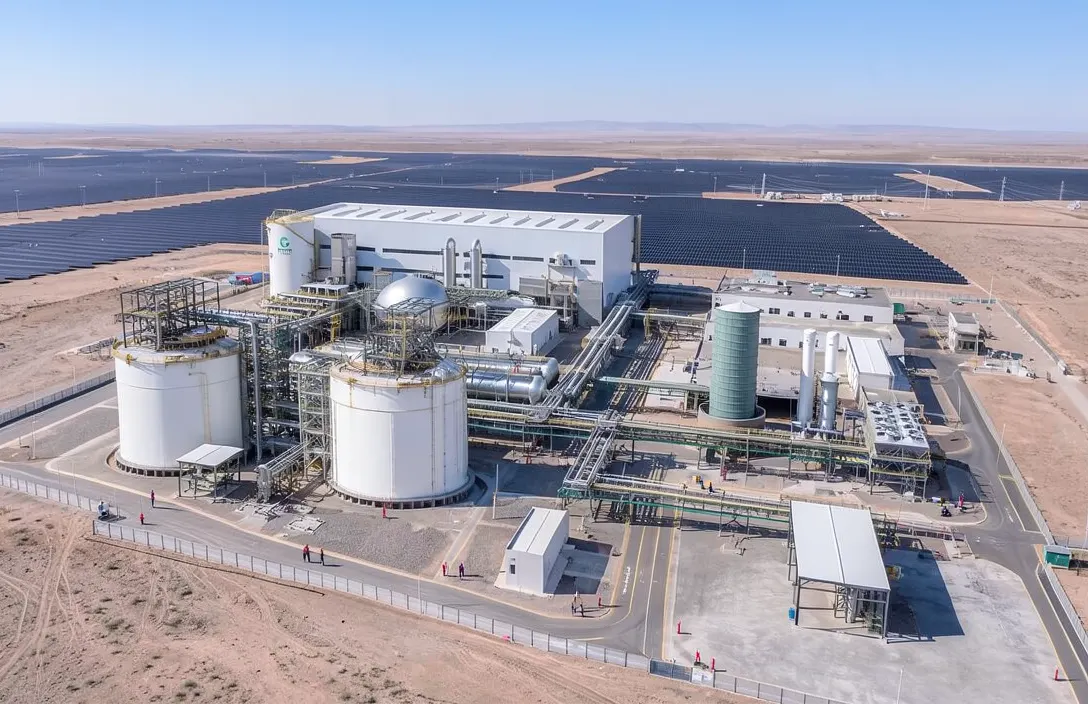
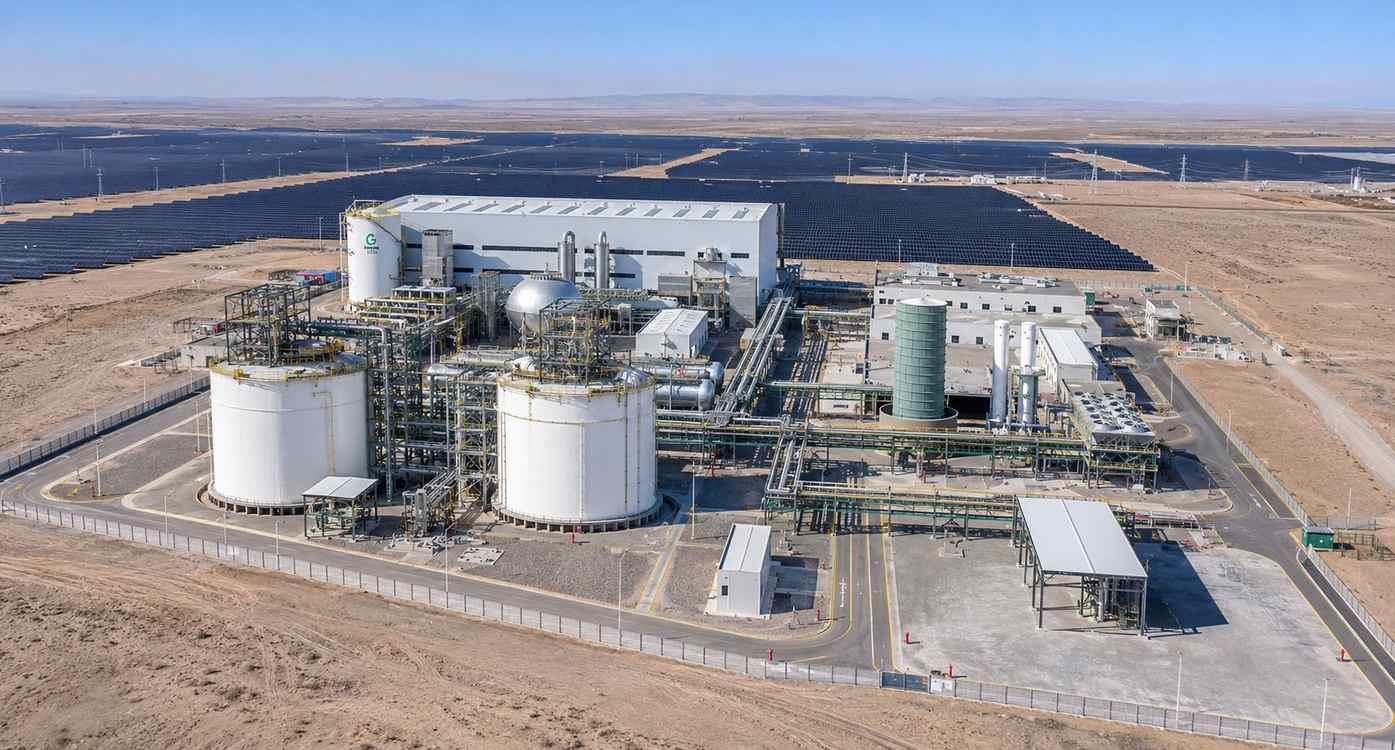
China has launched the world's largest liquid air energy storage (LAES) facility in Qinghai Province, a significant milestone in renewable energy storage technology (1). The 60MW LAES project, developed by the China Green Development Investment Group (CGDG) in partnership with the Technical Institute of Physics and Chemistry of the Chinese Academy of Sciences (CAS), is described as the largest grid-connected LAES system by both rated power and energy capacity (1). The facility is rated at 600 megawatt-hours and is designed to provide 10 hours of continuous power supply, enhancing the reliability of renewable energy sources in the region (1). This development underscores China's leadership in adopting renewable energy at scale and speed, addressing a key challenge in the renewable energy sector: grid-scale storage (1). [1]
The LAES technology works by converting air into a liquid, which is stored in insulated tanks and later converted back into electricity when demand is high (1). When electricity is plentiful, the system draws in air, compresses it, and cools it to extremely low temperatures of around -190°C, turning it into a liquid (1). This liquid air is then stored and, when power is needed, is pumped to high pressure and warmed, expanding rapidly back into a gas to spin a turbine connected to an electricity generator (1). The system also utilizes excess heat and cold, storing both for heating and cooling purposes, which reduces energy consumption and environmental disturbance (1). [1]
The Qinghai LAES project includes a 250MW solar farm, further enhancing its role in the renewable energy landscape (1). This integration of solar power with advanced storage technology is a strategic move that supports the region’s renewable energy goals (1). The facility is expected to significantly back up renewable contributions to the regional power grid, ensuring a stable power supply even when the sun is not shining or the wind is not blowing (1). The project is part of China's broader commitment to renewable energy and represents a crucial step in the global effort to transition to clean energy (1). [1]
The Qinghai LAES project is expected to influence the future of renewable energy storage globally (1). With its capacity and efficiency, the facility could serve as a model for other countries seeking to expand their renewable energy infrastructure (1). As the world continues to seek solutions for grid-scale energy storage, the Qinghai project highlights the potential of liquid air energy storage technology in supporting the transition to a low-carbon future (1). [1]
Advertisement
China has inaugurated the world's largest liquid air energy storage (LAES) facility in Qinghai Province, a major development in renewable energy storage technology (1). The LAES system works by using renewable electricity to compress air to extreme densities, turning it into a liquid that can be stored in insulated tanks (1). This innovation is expected to significantly enhance the reliability of renewable energy sources by providing grid-scale storage when solar and wind power are not available (1). The Qinghai facility is rated at 600 megawatt-hours and can supply 10 hours of continuous power, making it a key component in the region's renewable energy strategy (1). [1]
The Qinghai LAES project includes a 250MW solar farm, which complements the energy storage system and enhances the overall capacity of the facility (1). This integration of solar power with liquid air storage is a novel approach that aims to maximize the utilization of renewable resources (1). The project, developed by China Green Development Investment Group (CGDG) in collaboration with the Technical Institute of Physics and Chemistry of the Chinese Academy of Sciences (CAS), represents a significant step forward in renewable energy technology (1). The facility is described as the world’s largest grid-connected LAES plant by both rated power and energy capacity (1). [1]
The LAES technology involves cooling air to extremely low temperatures of around -190°C, causing it to liquefy and occupy significantly less space than in its gaseous form (1). When power is needed, the liquid air is warmed and expanded back into a gas, which can be used to spin a turbine connected to an electricity generator (1). This process is not only efficient but also reduces energy consumption and environmental impact by utilizing excess heat and cold for heating and cooling purposes (1). The Qinghai facility is expected to influence the future of renewable energy storage globally by demonstrating the viability of large-scale LAES systems (1). [1]
The Qinghai LAES project is anticipated to play a pivotal role in China's renewable energy strategy, providing a reliable and scalable solution for storing excess energy generated during periods of high solar and wind production (1). This facility, which is part of China's broader efforts to lead in renewable energy innovation, could set a new standard for energy storage systems worldwide (1). The project's success may encourage other countries to adopt similar technologies, further accelerating the global shift towards sustainable energy solutions (1). [1]
Advertisement
China has launched the world's largest liquid air energy storage (LAES) facility in Qinghai Province, a significant milestone in renewable energy storage technology. The LAES technology works by converting air into a liquid, which is stored in insulated tanks and later converted back into electricity when demand is high. This project, rated at 600 megawatt-hours, is described as the world's largest grid-connected LAES facility by both rated power and energy capacity (1). The facility is expected to provide 10 hours of continual power supply when necessary, significantly enhancing the reliability of renewable energy sources in the region (1). [1]
The Qinghai LAES project includes a 250MW solar farm, which complements the energy storage system and enhances the overall capacity of the facility. This integration of solar power and advanced storage technology is a key component of China's strategy to expand renewable energy infrastructure. The LAES technology involves cooling air to extremely low temperatures of around -190°C, causing it to liquefy and occupy significantly less space than in its gaseous form (1). This process allows for efficient storage and retrieval of energy, making it a viable solution for regions with high solar and wind potential (1). [1]
The Qinghai LAES project is anticipated to play a pivotal role in China's renewable energy strategy, providing a reliable and scalable solution for storing energy when solar and wind generation is low. The project was developed by CGDG in cooperation with the Technical Institute of Physics and Chemistry of the Chinese Academy of Sciences (CAS), and has 20% more capacity than the first commercial-scale LAES project in the US (1). The facility's ability to store both excess heat and cold during the liquefaction process reduces energy consumption and environmental disturbance, further enhancing its sustainability (1). [1]
The LAES technology is expected to influence the future of renewable energy storage globally, offering a cost-effective alternative to traditional lithium-ion battery storage systems. According to financial analysts, LAES costs at least 33 cents on the dollar compared to lithium-ion battery storage systems, making it a more economically viable option (1). The success of the Qinghai project could pave the way for similar initiatives in other regions, particularly in areas with high renewable energy potential and the need for reliable grid-scale storage solutions (1). [1]
Advertisement
The Qinghai LAES project represents a major leap in renewable energy storage technology, but its long-term performance under varying climatic and operational conditions remains to be seen (1). While the facility is designed to store energy for 10 hours, its ability to consistently deliver this capacity over time, especially in extreme weather conditions common to Qinghai's high-altitude environment, is a key area of interest (1). This raises questions about the system's resilience and maintenance requirements in such a challenging setting (1). [1]
Another open question pertains to the economic viability of the LAES technology compared to other storage solutions, such as lithium-ion batteries (1). Although preliminary cost comparisons suggest that LAES could be significantly cheaper, real-world data on operational costs, efficiency, and return on investment are still limited (1). This uncertainty could influence the technology's adoption rate and its potential to become a mainstream solution for grid-scale energy storage (1). [1]
The integration of the LAES facility with Qinghai's existing energy infrastructure and the broader Chinese grid is another critical factor to monitor (1). The project's ability to effectively balance supply and demand, particularly during periods of low renewable generation, will determine its success in enhancing grid stability (1). Additionally, the extent to which this technology can be replicated in other regions with different geographic and climatic conditions remains an open question (1). [1]
Environmental and social impacts of the LAES project also warrant further investigation (1). While the system is designed to minimize environmental disturbance through the use of excess heat and cold, the long-term ecological effects of large-scale energy storage infrastructure in Qinghai's sensitive ecosystems are not yet fully understood (1). Moreover, the project's impact on local communities and its alignment with China's broader sustainability goals will be important factors to watch as the facility progresses (1). [1]
Advertisement
Editorial note: This article is sourced. Some claims are awaiting further verification.
Sources
Prepared with AI assistance from the cited sources.
The Cali Reporter newsletter
The stories worth your time.
California, the country, and what comes next. Join our free newsletter for reporting that keeps you informed.
More in Good News
- World's First Non-Malignant Bone Marrow Transplant Successfully Treats Aplastic Anemia
A groundbreaking medical achievement has been made with the successful use of a deceased organ donor's bone marrow to treat a non-malignant disease, offering new hope for patients with aplastic anemia.
- Preserving Kids' Art Through Collaborative Collages
An artist has found a way to help parents preserve their children's artwork while reigniting their own creativity, leading to a growing trend among families.
- Spain's Cantabrian Brown Bear Population Doubles in 20 Years
Spain has witnessed a remarkable recovery of its Cantabrian brown bear population over the last two decades, with numbers doubling to 370 individuals and their breeding range expanding significantly.