Climate Risk and Foreign Investment in Developing Nations
Multinational corporations are increasingly avoiding investment in climate-vulnerable countries, leading to economic losses for both the companies and the developing nations affected.

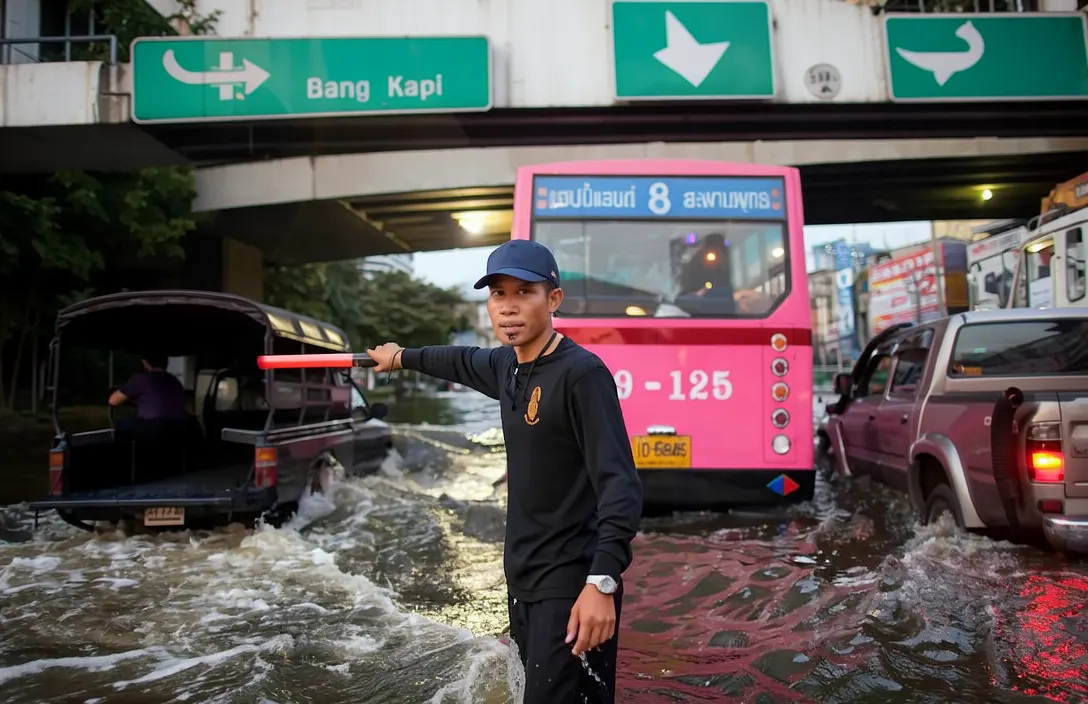
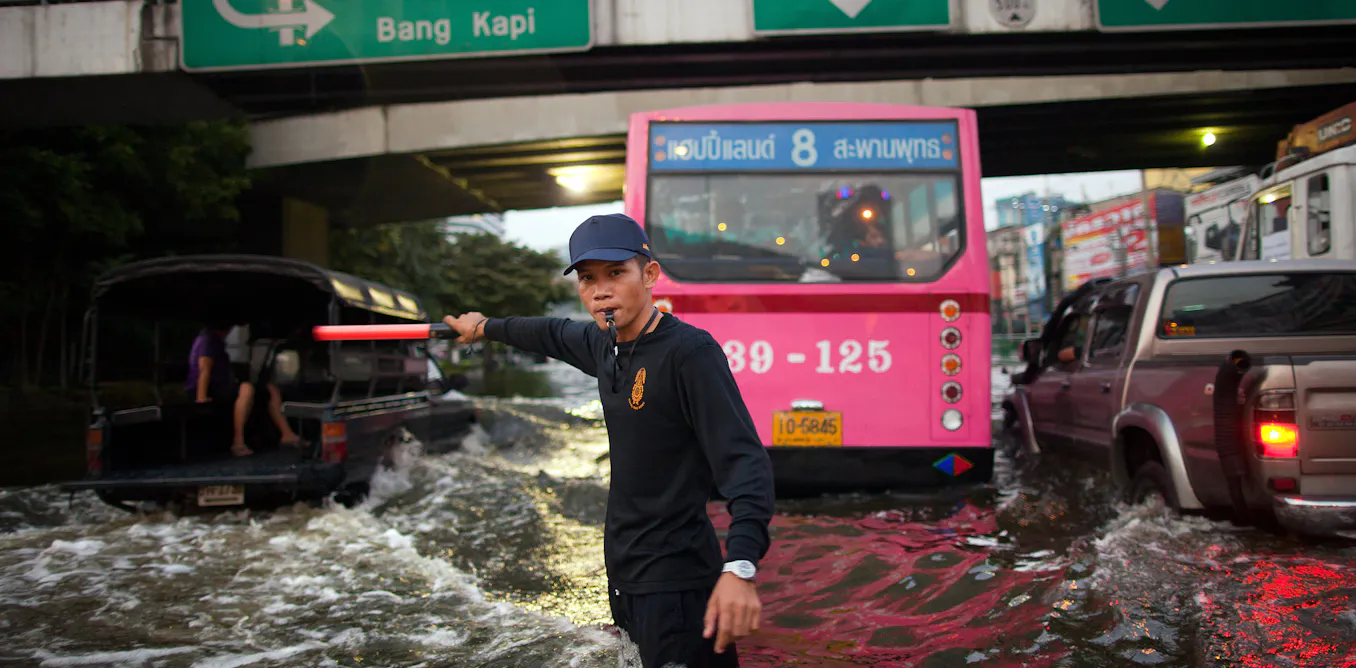
Multinational companies are increasingly avoiding investment in climate-vulnerable countries, as climate change raises the frequency and intensity of extreme weather events. These risks include concerns over infrastructure reliability, worker safety, and access to clean water. As a result, countries with high climate vulnerability are receiving less foreign investment. According to an analysis of 159 countries, there is a 12% reduction in foreign direct investment for each 1-point rise in climate vulnerability on a 100-point scale. This trend suggests that climate risk is a significant factor in corporate investment decisions (Evidence ID: 1). [1]
Extreme weather events are becoming more frequent and intense due to climate change. Human activities, particularly the burning of fossil fuels, have increased greenhouse gas concentrations in the atmosphere, which act as a blanket, trapping heat and warming the planet. This warming leads to changes in the water cycle, shifts in weather patterns, and melting land ice, all of which can exacerbate extreme weather events. The Intergovernmental Panel on Climate Change (IPCC) has confirmed that human-caused greenhouse gas emissions have increased the frequency and intensity of extreme weather events (Evidence ID: 2). [2]
Climate change is increasing the risk of extreme weather events, which have significant health impacts. In the WHO European Region, extreme heat claimed more than 60,000 lives in 2022, and this number is projected to rise to 120,000 annually by 2050. Floods, wildfires, and heatwaves are among the leading climate-related causes of death, illness, and suffering. These events are becoming more frequent and severe, with floods being the most common natural disaster in the European Region (Evidence ID: 3). [3]
Multinational companies are increasingly avoiding investment in climate-vulnerable countries, as climate change raises the frequency and intensity of extreme weather events. When multinational companies decide where to build a factory, open a mine or establish a regional office, they have to consider whether the investment will still be profitable years into the future. Making that decision increasingly means thinking about risks, like whether surrounding roads will flood, worker safety will be compromised by extreme heat in the summer, and clean water will be available (Source ID: 1). [1]
Advertisement
Climate change is increasing the risk of extreme weather events, which have significant health impacts. According to the Intergovernmental Panel on Climate Change (IPCC), human-caused rise in greenhouse gases has increased the frequency and intensity of extreme weather events. As Earth’s climate changes, it is impacting extreme weather across the planet. Record-breaking heat waves, drenching rains, severe floods, years-long droughts, extreme wildfires, and widespread flooding during hurricanes are all becoming more frequent and more intense (Source ID: 2). [2]
Extreme weather events are becoming more frequent and intense due to climate change. Leading climate-related causes of death, illness and suffering result from exposure to increasingly frequent and more intense extreme weather events, including heatwaves, wildfires, floods and storm surges. In 2022, extreme heat claimed more than 60,000 lives in the WHO European Region, and by 2050 this could rise to 120,000 heat-related deaths every year (Source ID: 3). [3]
Multinational companies are increasingly avoiding investment in climate-vulnerable countries, as climate change raises the frequency and intensity of extreme weather events. When multinational companies decide where to build a factory, open a mine or establish a regional office, they have to consider whether the investment will still be profitable years into the future. Making that decision increasingly means thinking about risks, like whether surrounding roads will flood, worker safety will be compromised by extreme heat in the summer, and clean water will be available (source ID: 1). [1]
Climate change is increasing the risk of extreme weather events, which have significant health impacts. Evidence from several studies suggests that multinationals are systematically avoiding investing in the most climate-vulnerable countries. These include my own analysis of 159 countries. Although these studies focus on different samples, they identify the same trend: Countries characterized by greater climate vulnerability received less foreign investment (source ID: 1). [1]
Advertisement
Extreme weather events are becoming more frequent and intense due to climate change. According to the Intergovernmental Panel on Climate Change (IPCC)’s Sixth Assessment Report released in 2021, the human-caused rise in greenhouse gases has increased the frequency and intensity of extreme weather events. NASA’s satellite missions, including the upcoming Earth System Observatory, provide vital data for monitoring and responding to extreme weather events (source ID: 2). [2]
The adverse health effects of extreme weather are largely preventable through good public health practices. Leading climate-related causes of death, illness and suffering result from exposure to increasingly frequent and more intense extreme weather events, including heatwaves, wildfires, floods and storm surges. In 2022 in the WHO European Region, extreme heat claimed more than 60,000 lives (source ID: 3). [3]
Sources
The Conversation – Articles (US)
Prepared with AI assistance from the cited sources.
The Cali Reporter newsletter
The stories worth your time.
California, the country, and what comes next. Join our free newsletter for reporting that keeps you informed.
More in Explainers
- Crisis Communication During the 2026 Air Traffic Ground Stop
The Federal Aviation Administration's response to the Nov. 13, 2026, ground stop highlighted critical missteps in public reassurance, according to a crisis communications expert.
- El Niño's Health Risks and Global Impacts
As one of the most powerful El Niño events on record approaches, global health risks are increasing, particularly in regions already vulnerable to extreme weather. Early warnings and preparedness measures are critical…
- El Salvador's Military Expansion in Haiti Amid Gang Violence
El Salvador's President Nayib Bukele has escalated military operations in Haiti, marking a significant shift in the region's approach to combating gang violence. The intervention, which includes the deployment of…