Crisis Communication During the 2026 Air Traffic Ground Stop
The Federal Aviation Administration's response to the Nov. 13, 2026, ground stop highlighted critical missteps in public reassurance, according to a crisis communications expert.

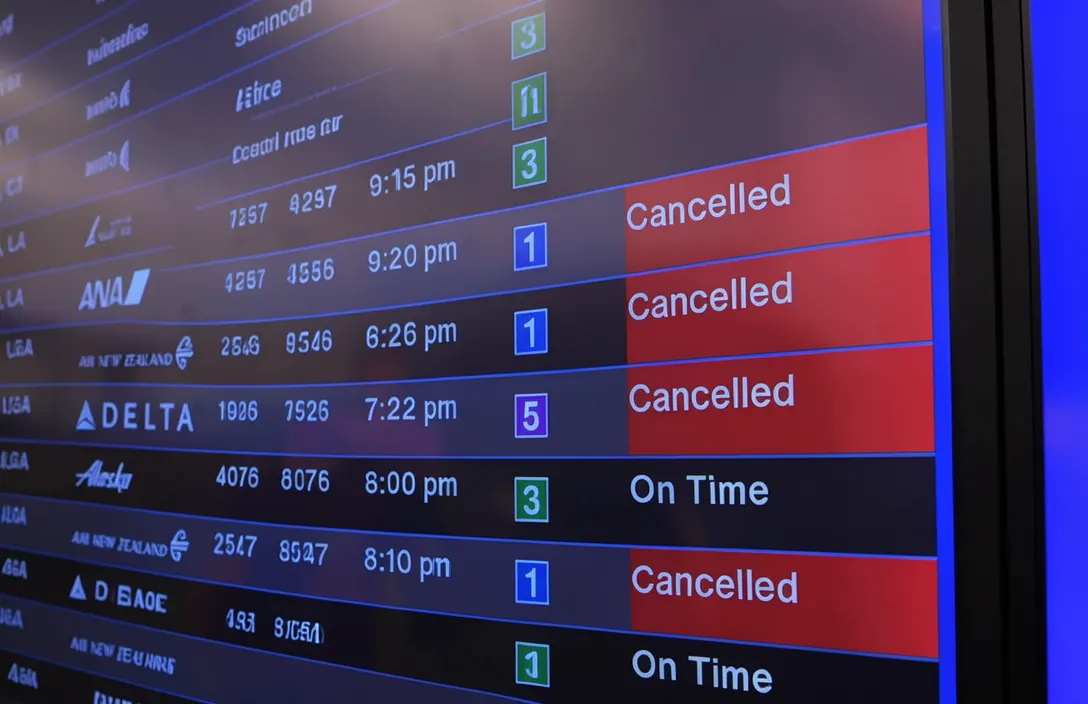
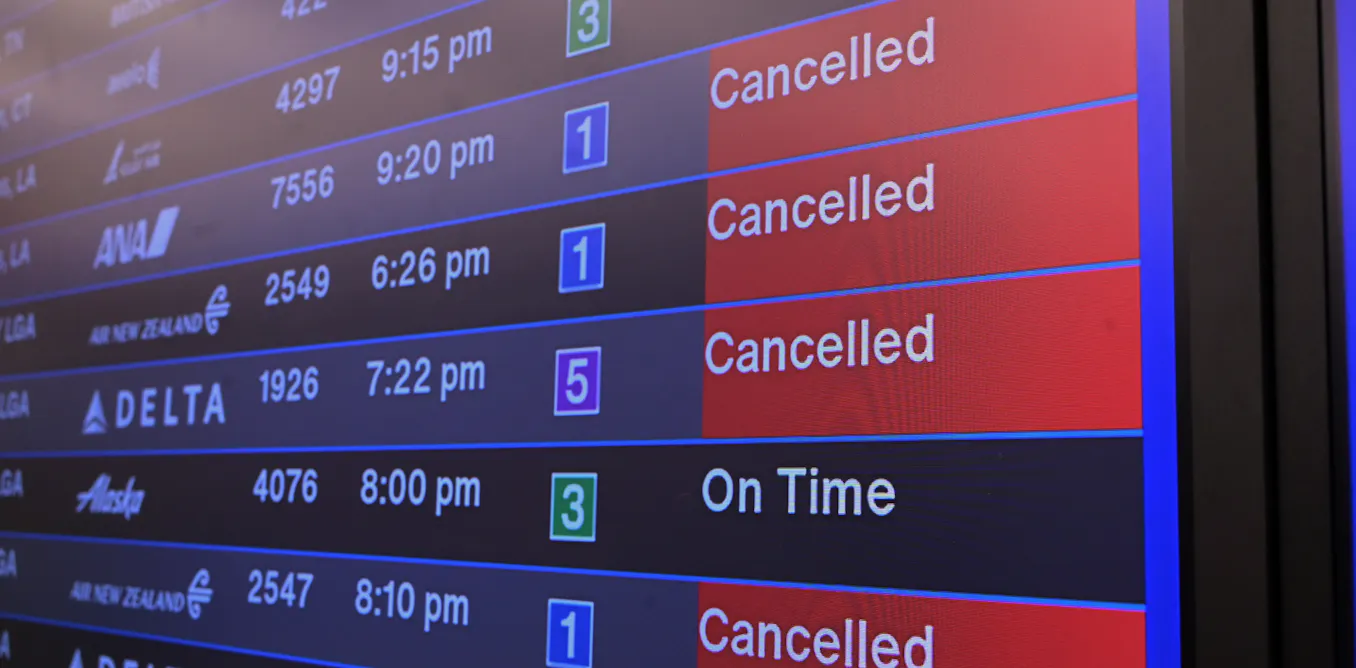
On November 13, 2026, the Federal Aviation Administration (FAA) grounded all domestic flights in the U.S. due to failures in air traffic communications systems. According to a report from The Conversation, the administration responded quickly, providing information known at the time, even though details were limited. However, the use of the phrase 'nothing nefarious' by Department of Homeland Security Secretary Markwayne Mullin during a press conference introduced controversy. As noted by Shannon A. Bowen, a crisis communications expert at the University of South Carolina, this statement inadvertently suggested that nefarious activity might be involved, potentially raising public concerns about cyber attacks or other malicious acts (source ID: 1). [1]
Mullin and Transportation Secretary Sean Duffy addressed questions during the press conference, but their communication was criticized for downplaying the scale of the crisis. Bowen pointed out that the disruption of football games and other events highlighted the broader impact of the ground stop, which she described as an 'emergency of impending disaster-level scale.' The administration's focus on the need for $30 billion in infrastructure funding was seen as premature, with experts questioning whether immediate safety measures had been taken to ensure the safety of flights once the ground stop was lifted (source ID: 1). [1]
The administration's response also included political messaging, which Bowen suggested should have been addressed after more directly addressing the concerns of the traveling public. She noted that the previous ground stop in 2023 served as a 'prodrome' or warning sign of larger issues, and Duffy acknowledged that more ground stoppages were likely. Bowen advised the administration to communicate in advance and work with the airline industry to minimize disruption, suggesting that a partial ground stop might have been more effective than a nationwide one (source ID: 1). [1]
The Federal Aviation Administration (FAA) grounded all domestic flights in the U.S. on November 13, 2026, due to failures in air traffic communications systems that had been in use for decades. This event occurred at a time when the air traffic control infrastructure was already known to be outdated, as evidenced by a similar ground stop three years earlier, which crisis communications experts refer to as a 'prodrome'—a warning sign of larger impending problems. The FAA's decision to implement a nationwide ground stop, rather than a localized one, raised questions about the extent of the infrastructure's deterioration, as 17 out of 22 air traffic control routers were reported to be malfunctioning. This nationwide action affected thousands of travelers, including football teams and marching bands, creating significant disruptions across the country, particularly in the southeastern United States where SEC football games are a major event on Saturdays. The crisis highlighted the urgent need for modernization of the air traffic control system, with officials requesting $30 billion and more for infrastructure repairs. [1]
Advertisement
The initial response by the Trump administration, as represented by Department of Homeland Security Secretary Markwayne Mullin, emphasized the absence of 'nefarious' activity, a statement that inadvertently fueled speculation about potential cyber threats or other malicious actions. This approach was criticized by crisis communications expert Shannon A. Bowen, who argued that the claim could have led the public to suspect a broader conspiracy, especially since the root cause of the ground stop was attributed to hardware failure rather than a cyber attack. The press conference held by Mullin and Transportation Secretary Sean Duffy later that day attempted to provide more information about the situation, though it was perceived as downplaying the severity of the crisis. The administration’s communication strategy was also criticized for introducing political considerations too early, shifting focus from the immediate concerns of stranded travelers to the need for additional funding for infrastructure improvements. This shift was seen as a misstep in prioritizing public reassurance over addressing the immediate logistical and emotional needs of those affected by the ground stop. [1]
On November 13, 2026, the Federal Aviation Administration (FAA) grounded all domestic flights in the U.S. due to failures in air traffic communications systems. Crisis communications expert Shannon A. Bowen highlighted the importance of reacting quickly and accurately in such situations, stating that delayed communication can lead to misinformation filling the void. The administration did respond promptly, offering the information available at the time, but the messaging was criticized for not being sufficient to address the scale of the crisis (1). [1]
During the press conference, Department of Homeland Security Secretary Markwayne Mullin repeatedly emphasized that 'nothing nefarious was at hand,' a statement that, according to Bowen, inadvertently suggested that something nefarious was indeed a concern. This messaging may have led the public to speculate about potential cyberattacks or other state actor involvement, rather than quelling concerns. The phrase 'nothing nefarious' became a focal point of controversy, potentially undermining public confidence (1). [1]
Transportation Secretary Sean Duffy and Mullin addressed questions during the press conference, but their communication was perceived as downplaying the extent of the crisis. Bowen noted that the public's concerns extended beyond business travelers to include significant disruptions to cultural events, such as football games. The administration was urged to provide more detailed reassurances about the safety of flights and the steps being taken to resolve the issue (1). [1]
Advertisement
The Cali Reporter newsletter
The stories worth your time.
California, the country, and what comes next. Join our free newsletter for reporting that keeps you informed.
More in Explainers
- El Niño's Health Risks and Global Impacts
As one of the most powerful El Niño events on record approaches, global health risks are increasing, particularly in regions already vulnerable to extreme weather. Early warnings and preparedness measures are critical…
- El Salvador's Military Expansion in Haiti Amid Gang Violence
El Salvador's President Nayib Bukele has escalated military operations in Haiti, marking a significant shift in the region's approach to combating gang violence. The intervention, which includes the deployment of…
- State Efforts to Tax the Rich in the 2026 Midterm Elections
Despite the failure of California’s Proposition 40, states across the U.S. have continued to explore and implement various strategies to increase revenue from high-income individuals and wealthy residents.