CRISPR Infusion Lowers Blood Fats in Monkeys for Three Years
A single CRISPR-based gene-editing treatment has been shown to significantly lower blood fats in monkeys for three years, according to a study published in Nature.

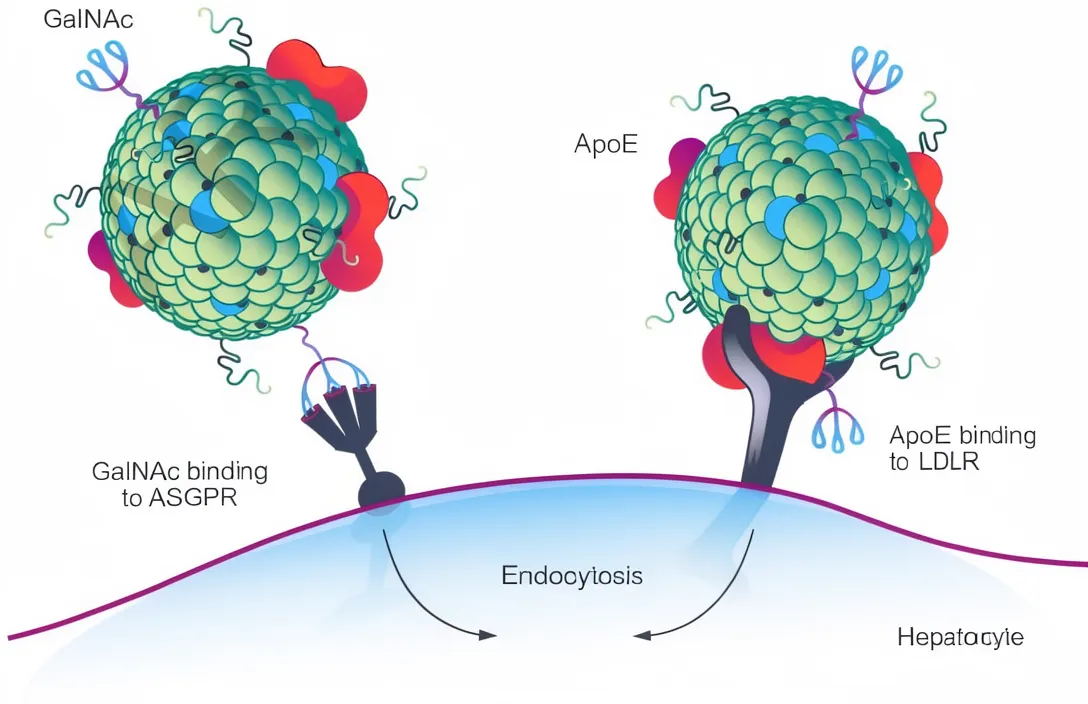

A study published in Nature reports that a single CRISPR-based gene-editing treatment significantly lowers blood fats in monkeys for three years. The treatment targets the ANGPTL3 gene, which encodes a liver-secreted protein that slows the clearance of fats from the blood. By disabling this gene, the treatment reduces both triglycerides and LDL cholesterol levels. This finding suggests a potential alternative to daily lipid-lowering medications (source ID: 1). [1]
The researchers packaged RNA instructions for a CRISPR base editor and an RNA guide inside tiny fat-based particles. The guide directs the editor to the ANGPTL3 gene, where changing one DNA letter disrupts the instructions for making the protein. The delivery components and RNA are largely cleared after treatment, while the DNA change is designed to remain. In the durability study, monkeys with normal blood lipid levels received either one infusion of the treatment or a control formulation (source ID: 1). [1]
In follow-up testing, ANGPTL3 protein levels in the treated group averaged about 94% below pretreatment levels. Triglycerides averaged 43% lower, while LDL cholesterol fell by a more modest 13%. Liver samples also showed similar levels at seven weeks and three years. The researchers also tested whether the approach could work when LDL receptors, which help clear cholesterol from the blood, were in short supply (source ID: 1). [1]
The team's particles carry a sugar-based targeting molecule called GalNAc, which provides access through a different receptor, an approach established in earlier work by members of the research team. In four monkeys whose LDL-receptor gene had been disrupted, treatment targeting ANGPTL3 reduced average LDL cholesterol from 458 to 247 milligrams per deciliter after 35 days—a 46% drop. This shorter experiment did not establish years of cholesterol lowering in animals with receptor deficiency (source ID: 1). [1]
Advertisement
The experiment took place in a controlled research setting, with monkeys being the primary subjects. The study was conducted by Verve Therapeutics in collaboration with other institutions, with funding provided by Eli Lilly, its parent company. The research team included employees of Verve and individuals with financial interests in the company through stock ownership or patent applications. The study focused on the liver's role in lipid metabolism, targeting the ANGPTL3 gene, which is involved in the regulation of triglycerides and LDL cholesterol levels. The monkeys used in the study were healthy and had normal blood lipid levels before the treatment was administered. The treatment was delivered through a single infusion, and the study followed the animals for three years to assess the durability of the gene-editing effects. The results showed that the treatment significantly reduced triglyceride levels and had a moderate effect on LDL cholesterol levels over the long-term period. The study also tested the treatment's effectiveness in monkeys with a genetic deficiency in LDL receptors, a condition that complicates the delivery of conventional lipid-lowering therapies. This research was conducted at facilities equipped for advanced gene-editing experiments, with protocols designed to ensure the safety and ethical treatment of the animals involved. The study's findings are published in the journal Nature, with a DOI of 10.1038/s41586-026-11233-9, and were reported by Medical Xpress on November 14, 2026. [1]
The CRISPR treatment used in the study involved the use of lipid-based nanoparticles (LNPs) that were modified with a sugar-based targeting molecule called GalNAc. This modification allowed the treatment to enter liver cells through a pathway that does not rely on LDL receptors, which is particularly important for individuals with a deficiency in these receptors. The LNPs were designed to deliver an RNA guide and a CRISPR base editor to the liver, where they would target the ANGPTL3 gene and make a precise change to its DNA sequence. This change was intended to permanently disable the gene, preventing the production of the ANGPTL3 protein. The delivery system was designed to be cleared from the body after treatment, leaving only the DNA change in the liver cells. The study's results showed that the treatment was effective in reducing triglyceride levels in monkeys for three years, with no evidence of lasting liver toxicity. The treatment was also tested in monkeys with a genetic deficiency in LDL receptors, and it was found to be effective in reducing LDL cholesterol levels in these animals as well. The study was conducted using a small number of animals, with ten monkeys receiving the treatment and a control group receiving a placebo. The study's findings suggest that the CRISPR treatment could be a viable alternative to traditional lipid-lowering medications, which require regular administration. The research was conducted in a setting with strict ethical guidelines for the use of animals in scientific research, and the study's results were published in the journal Nature, with a DOI of 10.1038/s41586-026-11233-9. The study was reported by Medical Xpress on November 14, 2026. [1]
The study's findings were based on a small sample size, with only ten monkeys receiving the CRISPR treatment and a control group receiving a placebo. The study's results showed that the treatment was effective in reducing triglyceride levels and had a moderate effect on LDL cholesterol levels over a three-year period. The study also tested the treatment's effectiveness in monkeys with a genetic deficiency in LDL receptors, a condition that complicates the delivery of conventional lipid-lowering therapies. The study found that the treatment was effective in reducing LDL cholesterol levels in these animals as well, with a 46% drop in LDL cholesterol levels after 35 days. The study's findings suggest that the CRISPR treatment could be a viable alternative to traditional lipid-lowering medications, which require regular administration. The study was conducted using a small number of animals, with ten monkeys receiving the treatment and a control group receiving a placebo. The study's results were published in the journal Nature, with a DOI of 10.1038/s41586-026-11233-9. The study was reported by Medical Xpress on November 14, 2026. The study's findings were based on a small sample size, with only ten monkeys receiving the CRISPR treatment and a control group receiving a placebo. The study's results showed that the treatment was effective in reducing triglyceride levels and had a moderate effect on LDL cholesterol levels over a three-year period. The study also tested the treatment's effectiveness in monkeys with a genetic deficiency in LDL receptors, a condition that complicates the delivery of conventional lipid-lowering therapies. The study found that the treatment was effective in reducing LDL cholesterol levels in these animals as well, with a 46% drop in LDL cholesterol levels after 35 days. The study's findings suggest that the CRISPR treatment could be a viable alternative to traditional lipid-lowering medications, which require regular administration. The study was conducted using a small number of animals, with ten monkeys receiving the treatment and a control group receiving a placebo. The study's results were published in the journal Nature, with a DOI of 10.1038/s41586-026-11233-9. The study was reported by Medical Xpress on November 14, 2026. [1]
A study published in Nature reports that a single CRISPR-based gene-editing treatment significantly lowers blood fats in monkeys for three years. The researchers packaged RNA instructions for a CRISPR base editor and an RNA guide inside tiny fat-based particles (Source ID: 1). This method allows for precise gene editing by targeting the ANGPTL3 gene, which is involved in the regulation of blood fats. The treatment aims to disable the ANGPTL3 gene, thereby reducing the production of a protein that slows the clearance of fats from the blood. [1]
Advertisement
In follow-up testing, ANGPTL3 protein levels in the treated group averaged about 94% below pretreatment levels. Triglycerides averaged 43% lower, while LDL cholesterol fell by a more modest 13%. Liver samples also showed similar levels at seven weeks and three years (Source ID: 1). These results suggest that the treatment may offer a lasting solution for managing blood fats, potentially reducing the need for daily medication. [1]
The researchers also tested whether the approach could work when LDL receptors, which help clear cholesterol from the blood, were in short supply. The team's particles carry a sugar-based targeting molecule called GalNAc, which provides access through a different receptor, an approach established in earlier work by members of the research team (Source ID: 1). This method allows the treatment to be effective even in cases where traditional delivery mechanisms may fail. [1]
Sources
Prepared with AI assistance from the cited sources.
The Cali Reporter newsletter
The stories worth your time.
California, the country, and what comes next. Join our free newsletter for reporting that keeps you informed.
More in Health & Medicine
- Brain Energy Mismatches in Schizophrenia
A new study explores the potential role of energy bottlenecks in brain cells in explaining fragmented experiences of time, space, and self in schizophrenia.
- Brazil Reports First Mpox Death in 2026
Brazil has recorded its first mpox-related death in 2026, but public health officials are not classifying the current surge in cases as an outbreak, according to the Fiocruz Institute.
- Personalized Therapies for IBD May Target Specific Harmful Gut Bacteria
A study led by Dr. Lukas Mager and Prof. Kathy McCoy has identified two gut bacteria that promote inflammation in inflammatory bowel disease, opening the door for personalized treatments.