Eosinophilic Oesophagitis Misdiagnosed as Food Allergies
Eosinophilic oesophagitis (EoE) is being misdiagnosed as severe allergic reactions, according to new research presented at a medical conference.

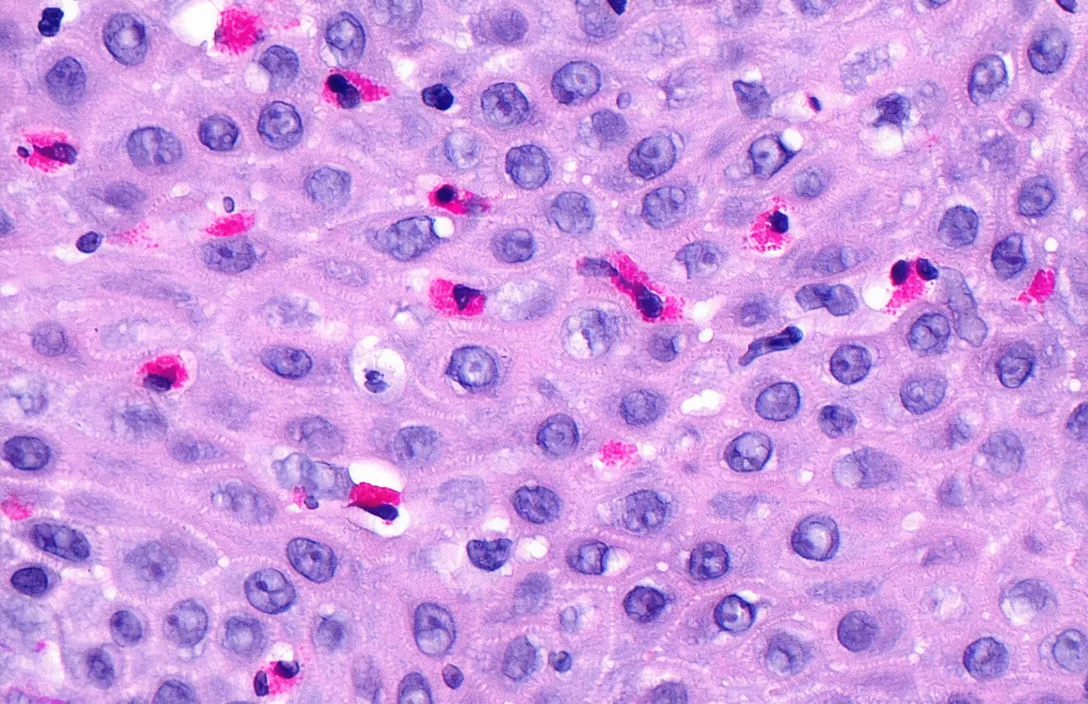

A chronic inflammatory condition known as eosinophilic oesophagitis (EoE) is being mistaken for severe allergic reactions, according to a study presented at the American College of Allergy, Asthma and Immunology Annual Scientific Meeting. EoE involves an abnormal buildup of eosinophils, a type of white blood cell, in the oesophagus, leading to symptoms such as swelling, difficulty swallowing, and a sensation of food being stuck in the throat (source ID: 1). These symptoms can be similar to those of anaphylaxis, a severe allergic reaction, but patients with EoE do not test positive for Ig-E mediated anaphylaxis, which is a specific type of rapid, life-threatening immune response (source ID: 1). [1]
In one study, 29 adults who were suspected of having anaphylaxis were evaluated and found to have EoE instead. Each patient had experienced repeated hospital visits and received at least one dose of adrenaline, the standard treatment for anaphylaxis. However, none of them had Ig-E mediated anaphylaxis, and their oesophagus biopsies confirmed EoE. The researchers emphasized that not every frightening reaction after eating is anaphylaxis, and early diagnosis of EoE is crucial to prevent complications such as oesophageal narrowing due to scarring (source ID: 1). [1]
Another study using health records from over 300 million people in the United States found that the number of EoE diagnoses has increased sevenfold since 2009. Men, teenagers, and people in their 40s were more likely to develop the condition, and individuals with other inflammatory or allergic conditions, such as asthma, eczema, and food allergies, were at higher risk. Wheat allergy was found to have the strongest link to EoE (source ID: 1). [1]
EoE is a chronic condition with no known cure, and treatment focuses on managing inflammation and symptoms. Dietary changes, such as eliminating trigger foods, and medications like proton pump inhibitors and swallowed steroids are commonly used to control the disease. However, patients should consult a doctor before making any changes to their diet (source ID: 1). [1]
Advertisement
A chronic inflammatory condition known as eosinophilic oesophagitis (EoE) is being mistaken for severe allergic reactions, according to a study presented at the American College of Allergy, Asthma and Immunology Annual Scientific Meeting (source ID: 1). In one study, 29 adults who were suspected of having anaphylaxis were evaluated and found to have EoE instead. These patients reported repeated episodes of chest pain, drooling, and problems swallowing after consuming certain foods. On average, each person went to hospital three times and received at least one dose of adrenaline, the treatment for anaphylaxis. However, none of the participants tested positive for Ig-E mediated anaphylaxis, a specific type of rapid, life-threatening reaction triggered by the immune system. [1]
The study conducted by Talal Nsouli at Georgetown University in Washington DC and his colleagues involved taking samples from the lining of the oesophagus, which came back positive for EoE (source ID: 1). Nsouli emphasized that not every frightening reaction after eating is anaphylaxis, and early diagnosis is crucial to prevent progressive oesophageal damage. If EoE isn't diagnosed early, it can lead to the oesophagus narrowing due to scarring, with the risk of this complication rising by 9 per cent each year the disease isn't treated. [1]
Another study using health records from over 300 million people in the United States found that the number of EoE diagnoses has increased sevenfold since 2009 (source ID: 1). The study led by Bushra Tbakhi at the University of Cincinnati identified more than 500,000 people living with EoE. Men were more likely to develop EoE compared with women, and the diagnoses were most common in teenagers and people in their 40s. Those with other inflammatory and allergic conditions, such as asthma, coeliac disease, eczema, and food allergies, were more likely to have EoE. Wheat allergy had the strongest link to the condition. [1]
A study presented at the American College of Allergy, Asthma and Immunology Annual Scientific Meeting reveals that eosinophilic oesophagitis (EoE) is often misdiagnosed as severe allergic reactions, such as anaphylaxis. In one study, 29 adults who were suspected of having anaphylaxis were evaluated and found to have EoE instead. These patients reported repeated episodes of chest pain, drooling, and problems swallowing after consuming certain foods. On average, each person went to hospital three times, and received at least one dose of adrenaline, the treatment for anaphylaxis (source ID: 1). [1]
Advertisement
None of the participants tested positive for Ig-E mediated anaphylaxis, a specific type of rapid, life-threatening reaction triggered by the immune system. Instead, the patients were tested for EoE with samples taken from the lining of the oesophagus, which came back positive for the condition. The study was conducted by Talal Nsouli at Georgetown University in Washington DC and his colleagues. “Not every frightening reaction after eating is anaphylaxis,” says Nsouli. If EoE isn’t diagnosed early, it can lead to the oesophagus narrowing due to scarring (source ID: 1). [1]
Another study using health records from over 300 million people in the United States found that the number of EoE diagnoses has increased sevenfold since 2009. The cause of EoE hasn’t been clearly identified, but the study found several key factors that predisposed patients to the condition. Men were more likely to develop EoE compared with women, and the diagnoses were most common in teenagers and people in their 40s. Those with other inflammatory and allergic conditions, such as asthma, coeliac disease, eczema and food allergies, were more likely to have EoE (source ID: 1). [1]
A chronic inflammatory condition known as eosinophilic oesophagitis (EoE) is being mistaken for severe allergic reactions, according to a study presented at the American College of Allergy, Asthma and Immunology Annual Scientific Meeting (source ID: 1). The study conducted by Talal Nsouli at Georgetown University in Washington DC and his colleagues involved taking samples from the lining of the oesophagus, which came back positive for EoE (source ID: 1). Patients in this study reported repeated episodes of chest pain, drooling, and problems swallowing after consuming certain foods. However, none of the participants tested positive for Ig-E mediated anaphylaxis, a specific type of rapid, life-threatening reaction triggered by the immune system (source ID: 1). [1]
Another study using health records from over 300 million people in the United States found that the number of EoE diagnoses has increased sevenfold since 2009 (source ID: 1). This study, conducted by Bushra Tbakhi at the University of Cincinnati, Ohio, and her colleagues, identified more than 500,000 people living with EoE. The rise in diagnoses has been accompanied by the identification of several key factors that predispose individuals to the condition. Men were more likely to develop EoE compared with women, and the diagnoses were most common in teenagers and people in their 40s (source ID: 1). [1]
Advertisement
Those with other inflammatory and allergic conditions, such as asthma, coeliac disease, eczema and food allergies, were more likely to have EoE. Out of the most common food allergies, wheat allergy had the strongest link to the condition (source ID: 1). EoE is a chronic condition with no known cure. The aim of treatment is to control inflammation and symptoms, so patients can live a relatively normal life. People with EoE may benefit from changes to their diet, including cutting out foods that trigger their symptoms (source ID: 1). [1]
Sources
Prepared with AI assistance from the cited sources.
The Cali Reporter newsletter
The stories worth your time.
California, the country, and what comes next. Join our free newsletter for reporting that keeps you informed.
More in Health & Medicine
- Brain Energy Mismatches in Schizophrenia
A new study explores the potential role of energy bottlenecks in brain cells in explaining fragmented experiences of time, space, and self in schizophrenia.
- Brazil Reports First Mpox Death in 2026
Brazil has recorded its first mpox-related death in 2026, but public health officials are not classifying the current surge in cases as an outbreak, according to the Fiocruz Institute.
- Personalized Therapies for IBD May Target Specific Harmful Gut Bacteria
A study led by Dr. Lukas Mager and Prof. Kathy McCoy has identified two gut bacteria that promote inflammation in inflammatory bowel disease, opening the door for personalized treatments.