Familiar Terms Elicit More Concern Than 'Climate Crisis' in U.S. Survey
A recent survey of 5,137 Americans suggests that the terms 'climate change' and 'global warming' are more familiar and effective in eliciting concern and action than alternative phrases like 'climate crisis' or…

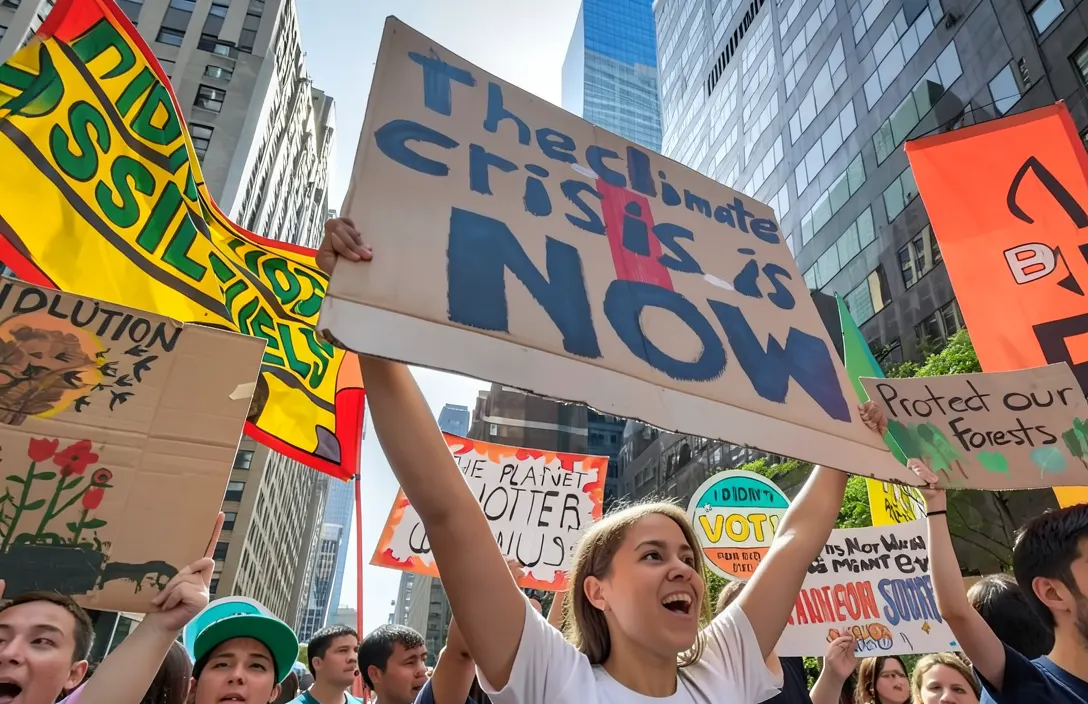
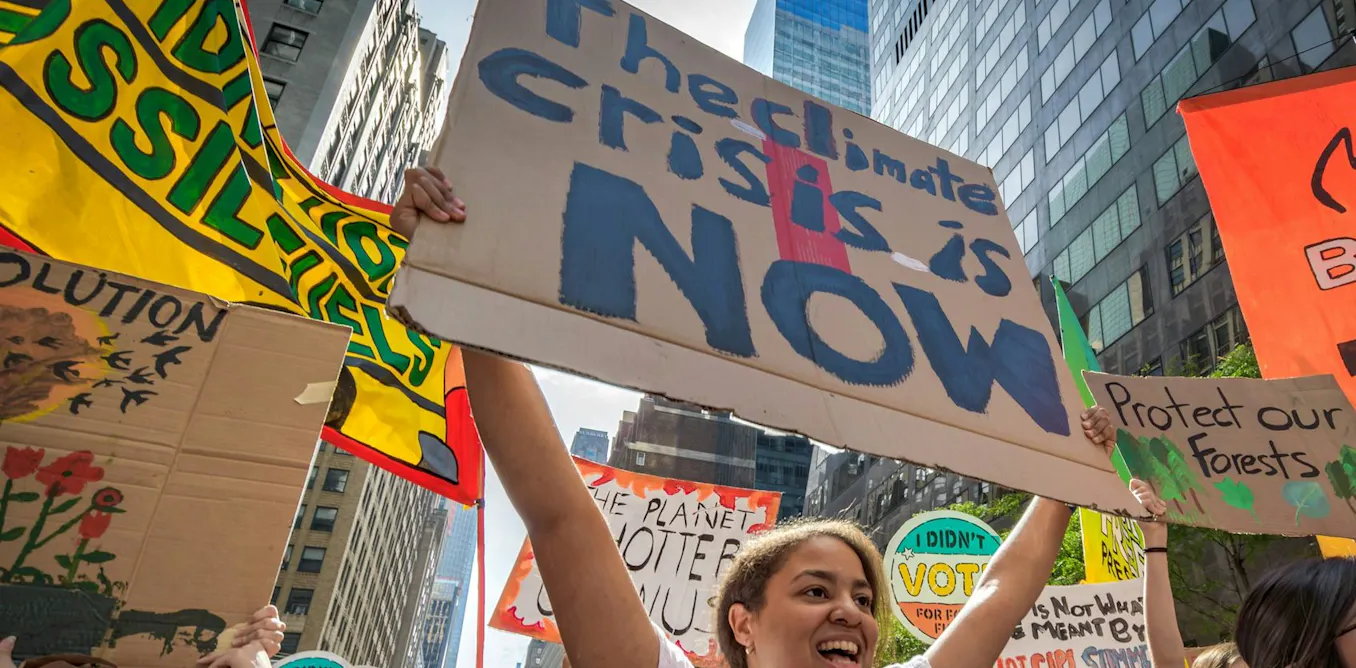
A survey conducted with a nationally representative sample of 5,137 Americans found that the terms 'climate change' and 'global warming' are more familiar and elicit greater concern than alternative terms such as 'climate crisis', 'climate emergency', or 'climate justice' (source ID: 1). The study, which examined public response to different climate-related terminology, found that the alternative terms did not increase people's sense of urgency, willingness to support climate-friendly policies, or willingness to act. The findings were consistent across political affiliations, including Republicans, Democrats, and independents. [1]
Researchers found that the use of complex or less familiar terms like 'climate justice' tended to elicit less concern, likely because they were the least familiar to the general public (source ID: 1). In a related study, a survey of 7,338 U.S. adults found that people were more familiar with and more concerned about terms such as 'extinction of plants and animals' than the term 'biodiversity loss', which was the least familiar and of least concern among several terms. This suggests that the use of jargon, even among experts, may not be effective in communicating climate-related issues to the public. [1]
The historical evolution of climate-related terminology has also played a role in shaping public perception. While 'global warming' was historically associated with rising temperatures, 'climate change' became more commonly used and was credited to Frank Luntz, an adviser to the George W. Bush administration. However, recent surveys indicate that partisan differences in perception of these terms have faded. Despite the increasing use of terms like 'climate crisis' and 'climate emergency' in media and activism, the study suggests that these terms may not be as effective as the familiar terms 'climate change' and 'global warming' in eliciting concern or inspiring action (source ID: 1). [1]
A survey conducted with a nationally representative sample of 5,137 Americans found that the terms 'climate change' and 'global warming' are more familiar and elicit greater concern than alternative terms such as 'climate crisis', 'climate emergency', or 'climate justice' (source ID: 1). Researchers found that the use of complex or less familiar terms like 'climate justice' tended to elicit less concern, likely because they were the least familiar to the general public (source ID: 1). The historical evolution of climate-related terminology has also played a role in shaping public perception. [1]
Advertisement
The historical review found that in the past, people were less likely to associate the term 'climate change' with the idea that humans are actively warming the planet than they were with the term 'global warming' (source ID: 1). This may explain why Democrats used to prefer the term 'global warming', while the popularization of the term 'climate change' has been credited to Frank Luntz, an adviser to the George W. Bush administration (source ID: 1). [1]
Past surveys also found that Democrats used to think of global warming as being more serious than climate change, while Republicans thought of climate change as more serious than global warming (source ID: 1). However, according to a recent review, these partisan differences have now faded (source ID: 1). [1]
Alternative terms such as 'climate crisis', 'climate emergency', and 'climate justice' have been used to emphasize other aspects of climate change and to try to raise concern. In 2019, the British newspaper The Guardian switched to using 'climate crisis' and 'climate emergency' because it wanted to convey urgency (source ID: 1). [1]
A survey conducted with a nationally representative sample of 5,137 Americans found that the terms 'climate change' and 'global warming' are more familiar and elicit greater concern than alternative terms such as 'climate crisis', 'climate emergency', or 'climate justice' (source ID: 1). The study revealed that these familiar terms were more effective in eliciting concern, perceived urgency, and willingness to act compared to the alternative terms, which were less familiar and less impactful (source ID: 1). [1]
Advertisement
The historical evolution of climate-related terminology has influenced public perception. A historical review found that in the past, people were less likely to associate the term 'climate change' with the idea that humans are actively warming the planet than they were with the term 'global warming' (source ID: 1). This suggests that the term 'global warming' was historically more closely linked to the human impact on climate (source ID: 1). [1]
The use of complex or less familiar terms like 'climate justice' tended to elicit less concern, likely because they were the least familiar to the general public (source ID: 1). Researchers found that people preferred straightforward language when discussing climate-related issues, as jargon such as 'adaptation' or 'mitigation' was often perceived as being overly technical and difficult to understand (source ID: 1). [1]
A survey conducted with a nationally representative sample of 5,137 Americans found that the terms 'climate change' and 'global warming' are more familiar and elicit greater concern than alternative terms such as 'climate crisis', 'climate emergency', or 'climate justice' (source ID: 1). The use of complex or less familiar terms like 'climate justice' tended to elicit less concern, likely because they were the least familiar to the general public (source ID: 1). These response patterns were similar among Republicans, Democrats, and independents. [1]
Historically, people were less likely to associate the term 'climate change' with the idea that humans are actively warming the planet than they were with the term 'global warming' (source ID: 1). Past surveys also found that Democrats used to think of global warming as being more serious than climate change, while Republicans thought of climate change as more serious than global warming. However, according to a recent review, these partisan differences have now faded (source ID: 1). [1]
Advertisement
Alternative terms such as 'climate crisis', 'climate emergency', and 'climate justice' have been used to emphasize other aspects of climate change and to try to raise concern. In 2019, the British newspaper The Guardian switched to using 'climate crisis' and 'climate emergency' because it wanted to convey urgency (source ID: 1). Activists use the term 'climate justice' to draw attention to climate change as a human rights challenge (source ID: 1). [1]
Sources
The Conversation – Articles (US)
Prepared with AI assistance from the cited sources.
The Cali Reporter newsletter
The stories worth your time.
California, the country, and what comes next. Join our free newsletter for reporting that keeps you informed.
More in Explainers
- Crisis Communication During the 2026 Air Traffic Ground Stop
The Federal Aviation Administration's response to the Nov. 13, 2026, ground stop highlighted critical missteps in public reassurance, according to a crisis communications expert.
- El Niño's Health Risks and Global Impacts
As one of the most powerful El Niño events on record approaches, global health risks are increasing, particularly in regions already vulnerable to extreme weather. Early warnings and preparedness measures are critical…
- El Salvador's Military Expansion in Haiti Amid Gang Violence
El Salvador's President Nayib Bukele has escalated military operations in Haiti, marking a significant shift in the region's approach to combating gang violence. The intervention, which includes the deployment of…