Fructose and Its Role in Ovarian Cancer Spread
Research has uncovered a surprising link between fructose and the spread of ovarian cancer following chemotherapy. This discovery raises new questions about the potential impact of diet and cholesterol-lowering…

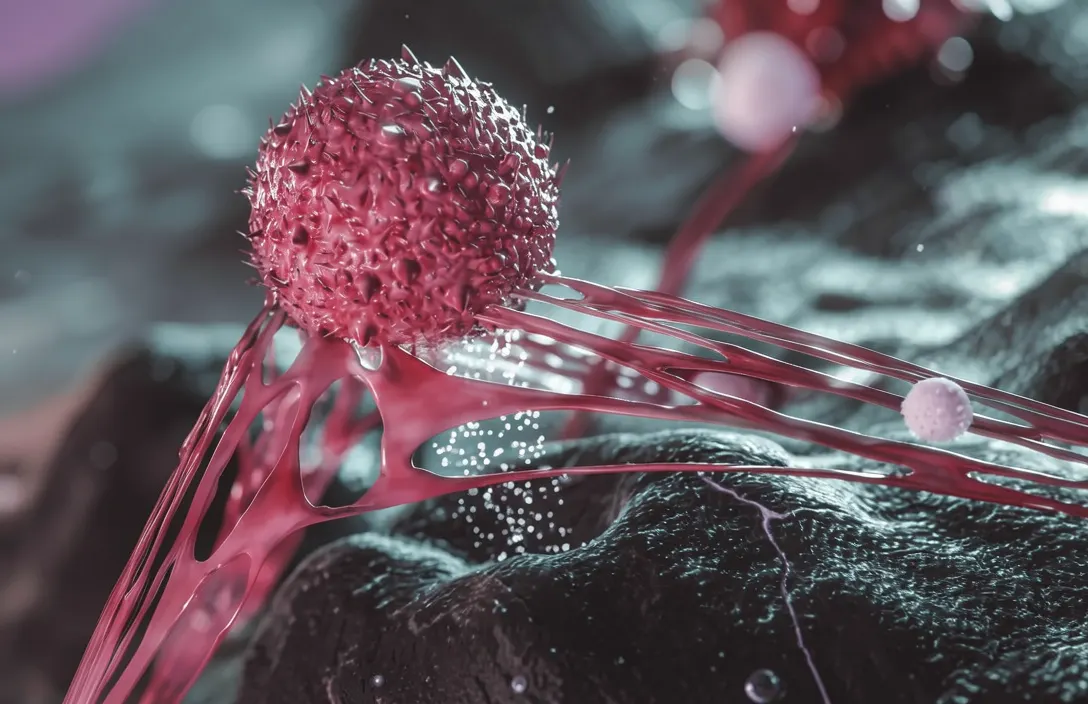
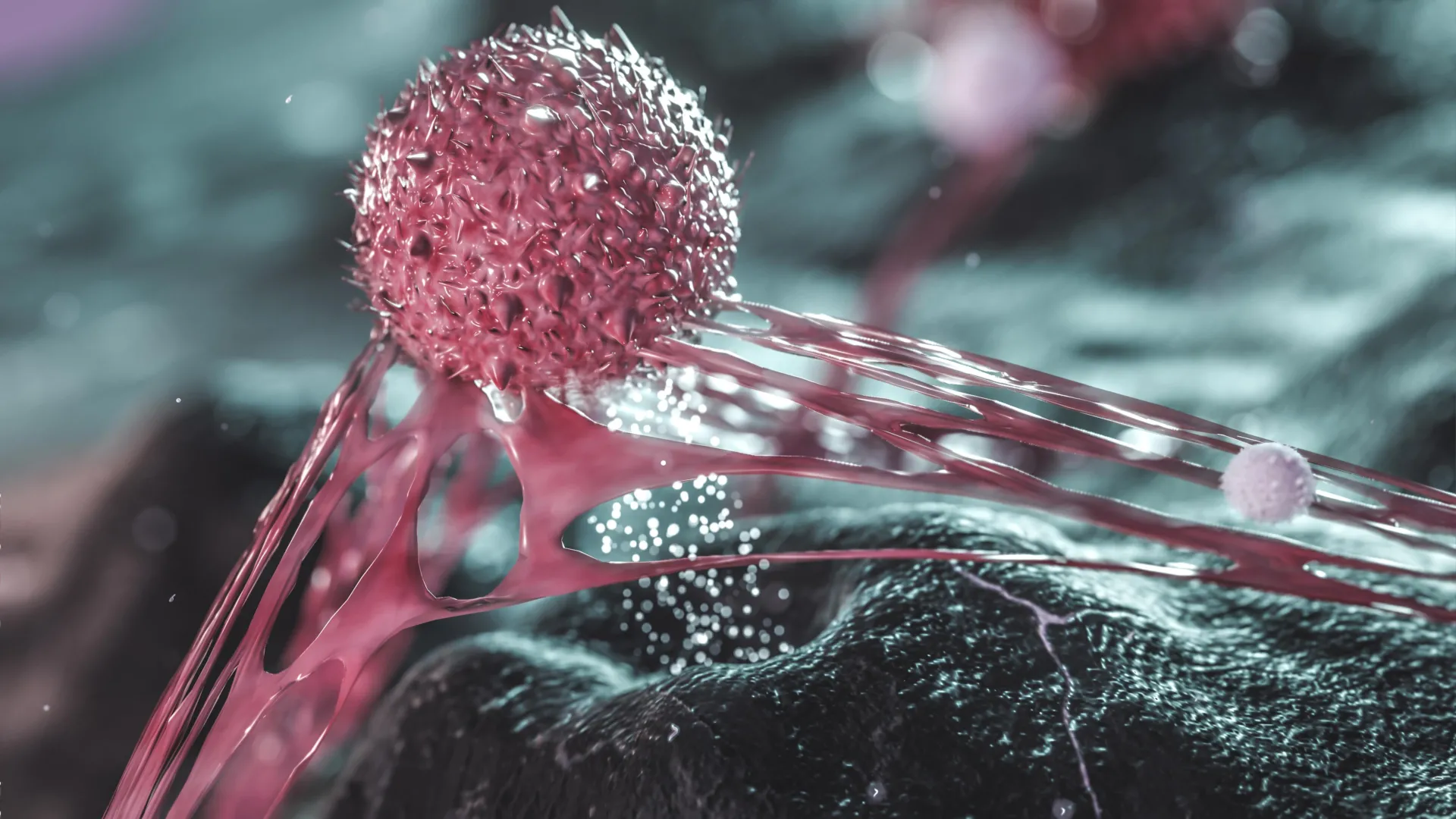
A study published in Nature Aging by researchers at The Wistar Institute found that fructose, a common sugar found in many foods and sweetened drinks, may play a role in helping aggressive ovarian cancer spread. The findings suggest that cancer cells surviving chemotherapy can release fructose, which acts as a signal that encourages nearby tumor cells to break free and spread. This discovery highlights a previously unknown mechanism by which cancer cells can influence tumor progression even after treatment has stopped them from multiplying (ScienceDaily Health & Medicine). [1]
Most patients with ovarian cancer receive platinum-based chemotherapy, which initially appears effective but often leads to cancer recurrence. The cancer frequently spreads throughout the abdominal cavity, contributing to approximately 90% of ovarian cancer deaths. Researchers have identified that surviving cancer cells continue to release substances that influence the behavior of surrounding cells, potentially contributing to recurrence and metastasis (ScienceDaily Health & Medicine). [1]
The study found that fructose is released by surviving cancer cells and acts as a chemical messenger that encourages neighboring cancer cells to become more capable of spreading. Additionally, the research suggests that high fructose consumption, comparable to levels found in sugary drinks, could promote cancer spread even without chemotherapy. This raises concerns about the potential influence of dietary sugar on cancer progression (ScienceDaily Health & Medicine). [1]
A study published in Nature Aging by researchers at The Wistar Institute found that fructose, a common sugar found in many foods and sweetened drinks, may play a role in helping aggressive ovarian cancer spread (source ID: 1). Most patients with ovarian cancer receive platinum-based chemotherapy, which initially appears effective but often leads to cancer recurrence. The study found that fructose is released by surviving cancer cells and acts as a chemical messenger that encourages neighboring cancer cells to become more capable of spreading. [1]
Advertisement
The study revealed that cancer cells surviving chemotherapy can release fructose, which acts as a signal that encourages nearby tumor cells to break free and spread (source ID: 1). The discovery also raises important questions about whether dietary sugar and commonly prescribed cholesterol medications could affect how cancer progresses. Understanding what allows cancer cells to escape from their original location and establish new tumors is therefore a major priority for researchers. [1]
The researchers discovered that fructose suppresses cholesterol production in neighboring cancer cells, weakening the connections that hold them together (source ID: 1). This weakening makes it easier for cancer cells to detach and spread to other locations. The findings do not establish that eating sugar causes cancer to spread in humans, and additional research is needed before specific dietary recommendations can be made based on this mechanism. [1]
A study published in Nature Aging by researchers at The Wistar Institute found that fructose, a common sugar found in many foods and sweetened drinks, may play a role in helping aggressive ovarian cancer spread (source ID: 1). The study revealed that cancer cells surviving chemotherapy can release fructose, which acts as a signal that encourages nearby tumor cells to break free and spread (source ID: 1). The researchers discovered that fructose suppresses cholesterol production in neighboring cancer cells, weakening the connections that hold them together (source ID: 1). [1]
The study found that fructose is released by surviving cancer cells and acts as a chemical messenger that encourages neighboring cancer cells to become more capable of spreading (source ID: 1). The researchers discovered that fructose suppresses cholesterol production in neighboring cancer cells, weakening the connections that hold them together (source ID: 1). This weakening of connections allows cancer cells to detach more easily, potentially enabling them to escape and spread to other locations (source ID: 1). [1]
Advertisement
The findings suggest that dietary fructose intake could influence cancer progression through a mechanism previously unrecognized by scientists (source ID: 1). The study also raises questions about whether statins, medications commonly prescribed to lower cholesterol, might influence the effectiveness of chemotherapy in certain situations (source ID: 1). However, the researchers emphasize that these results have not been demonstrated in patients and are not a reason for anyone to discontinue prescribed statins (source ID: 1). [1]
Sources
ScienceDaily Health & Medicine
Prepared with AI assistance from the cited sources.
The Cali Reporter newsletter
The stories worth your time.
California, the country, and what comes next. Join our free newsletter for reporting that keeps you informed.
More in Health & Medicine
- Brain Energy Mismatches in Schizophrenia
A new study explores the potential role of energy bottlenecks in brain cells in explaining fragmented experiences of time, space, and self in schizophrenia.
- Brazil Reports First Mpox Death in 2026
Brazil has recorded its first mpox-related death in 2026, but public health officials are not classifying the current surge in cases as an outbreak, according to the Fiocruz Institute.
- Personalized Therapies for IBD May Target Specific Harmful Gut Bacteria
A study led by Dr. Lukas Mager and Prof. Kathy McCoy has identified two gut bacteria that promote inflammation in inflammatory bowel disease, opening the door for personalized treatments.