Hoboken Tops List of Most Walkable Cities in the U.S.
Hoboken, New Jersey, has been named the most walkable city in the United States, according to a recent list published by Architectural Digest.

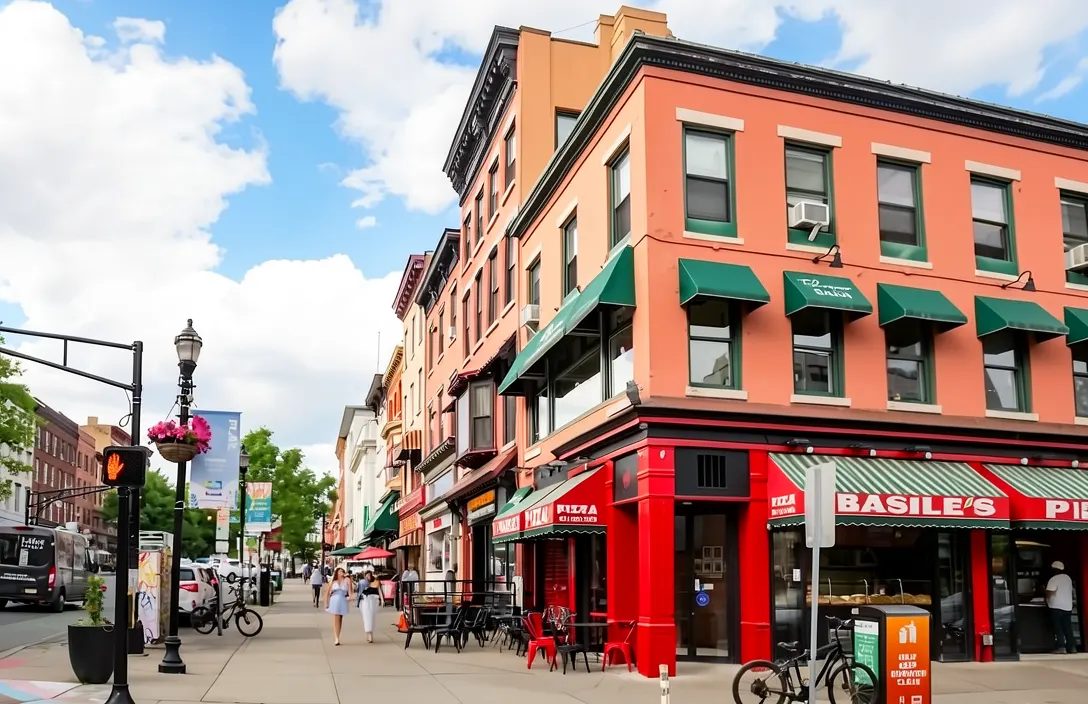
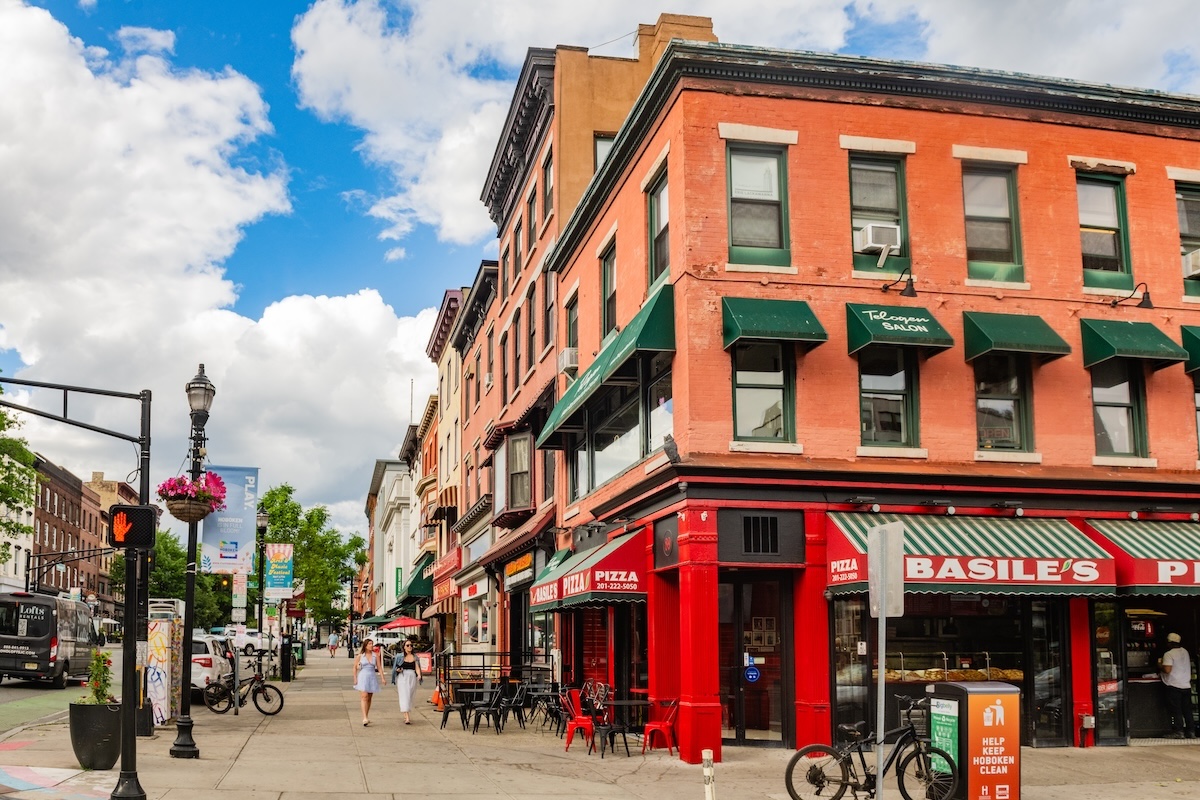
Hoboken, New Jersey, has been named the most walkable city in the United States, according to a recent list published by Architectural Digest. The ranking is based on factors such as public transportation availability, street grid density, and input from realtors, residents, and tourism experts. Hoboken received a Walk Score of 97 out of 100, reflecting its high level of accessibility for residents to run errands and access amenities without needing a car. This score is linked to positive outcomes for physical health, mental health, and environmental sustainability (1). [1]
Daryl Fairweather, chief economist at Redfin, highlighted the broad benefits of walkability, noting that it can enhance household finances, health, and the environment while improving overall quality of life. She emphasized that walkable neighborhoods foster greater interaction with local businesses, public spaces, and community members (1). [1]
Scientific research supports these claims. A 2021 study found that higher walkability was associated with lower mortality rates among a group of 13,832 women. Another 2020 study of over 31,000 adults showed that those living in high-walkability areas were 150% more likely to meet adequate levels of physical activity and 76% less likely to be obese (1). [1]
Walkability also contributes to environmental benefits. According to Elizabeth Sawin, director of the Multisolving Institute, every trip taken on foot instead of by a fossil fuel-powered car reduces greenhouse gas emissions. This underscores the role of walkable cities in addressing climate change and promoting sustainability (1). [1]
Advertisement
Hoboken, New Jersey, has been named the most walkable city in the United States, according to a recent list published by Architectural Digest. The city earned the top spot due to its ample public transportation and dense street grid, scoring a 97 out of 100 on Walk Score, which measures the ability for residents to run errands and access amenities without a car (1). This score reflects factors that can positively impact physical health, mental health, and the health of the planet (1). [1]
Daryl Fairweather, chief economist at Redfin, highlighted the broad benefits of walkability, noting that it can enhance household finances, health, and the environment while improving overall quality of life (1). She emphasized that walkable neighborhoods create more opportunities for people to interact with local businesses, use public spaces and resources, and connect with their neighbors (1). [1]
Scientific research supports the benefits of walkability. A 2021 paper showed higher walkability was associated with lower mortality rates in a cohort of 13,832 women. Additionally, a 2020 study of over 31,000 adults found that those living in high-walkability areas were 150% more likely to engage in adequate levels of physical activity and 76% less likely to be obese (1). [1]
Scientific research supports the benefits of walkability, with a 2021 paper showing higher walkability was associated with lower mortality rates in a cohort of 13,832 women (1). This study, along with others, provides evidence that walkable neighborhoods can significantly impact public health. A 2020 study of over 31,000 adults found that those living in high-walkability areas were 150% more likely to engage in adequate levels of physical activity and 76% less likely to be obese (1). These findings underscore the role of walkability in promoting healthier lifestyles. [1]
Advertisement
In addition to physical health benefits, walkability contributes to social well-being. Research from 2013 suggested that participants who walked more in their neighborhood experienced improved social interactions and felt more social cohesion within the community (1). This social benefit is reinforced by Daryl Fairweather, chief economist at Redfin, who noted that walkable neighborhoods create more opportunities for people to interact with local businesses, use public spaces and resources, and connect with their neighbors (1). [1]
From an environmental perspective, walkability reduces greenhouse gas emissions. Elizabeth Sawin, director of the Multisolving Institute, stated in a 2024 interview with Grist that every trip taken on foot instead of by a fossil fuel-powered car reduces greenhouse gas emissions (1). This supports the broader environmental benefits of walkable cities, as highlighted by the research and expert opinions cited in the study (1). [1]
The recognition of Hoboken as the most walkable city in the United States raises questions about how other cities can replicate its success. Architectural Digest's list, which includes cities like West Hollywood, Boston, and San Francisco, highlights the importance of urban planning and infrastructure in promoting walkability (1). Experts suggest that factors such as public transportation access and dense street grids play a crucial role in making neighborhoods more walkable. However, the specific strategies that led to Hoboken's top ranking remain a subject of further inquiry. [1]
While the benefits of walkability are well-documented, the long-term effects on urban development and policy remain open questions. Daryl Fairweather, chief economist at Redfin, emphasized the positive impact of walkable neighborhoods on household finances, health, and the environment (1). However, the extent to which these benefits can be generalized to other cities with different economic and social contexts is yet to be determined. Researchers continue to explore how walkability can be integrated into urban planning to achieve broader sustainability goals. [1]
Advertisement
The role of walkability in reducing greenhouse gas emissions is another area of ongoing research. Elizabeth Sawin, director of the Multisolving Institute, noted that each trip taken on foot instead of by car reduces emissions (1). As cities work toward climate goals, the potential of walkability as a tool for environmental sustainability is a key factor to monitor. However, the effectiveness of walkability initiatives in different regions and their impact on overall emissions reductions are still being studied. [1]
Sources
Prepared with AI assistance from the cited sources.
The Cali Reporter newsletter
The stories worth your time.
California, the country, and what comes next. Join our free newsletter for reporting that keeps you informed.
More in Good News
- World's First Non-Malignant Bone Marrow Transplant Successfully Treats Aplastic Anemia
A groundbreaking medical achievement has been made with the successful use of a deceased organ donor's bone marrow to treat a non-malignant disease, offering new hope for patients with aplastic anemia.
- Preserving Kids' Art Through Collaborative Collages
An artist has found a way to help parents preserve their children's artwork while reigniting their own creativity, leading to a growing trend among families.
- Spain's Cantabrian Brown Bear Population Doubles in 20 Years
Spain has witnessed a remarkable recovery of its Cantabrian brown bear population over the last two decades, with numbers doubling to 370 individuals and their breeding range expanding significantly.