Injectable Foam Prototype Could Seal Deep Wounds and Help Prevent Amputations
A new silicone-based foam, injected directly into deep wounds, expands to fill irregular cavities and actively combats infection, offering a promising alternative to traditional flat dressings for traumatic and blast injuries.

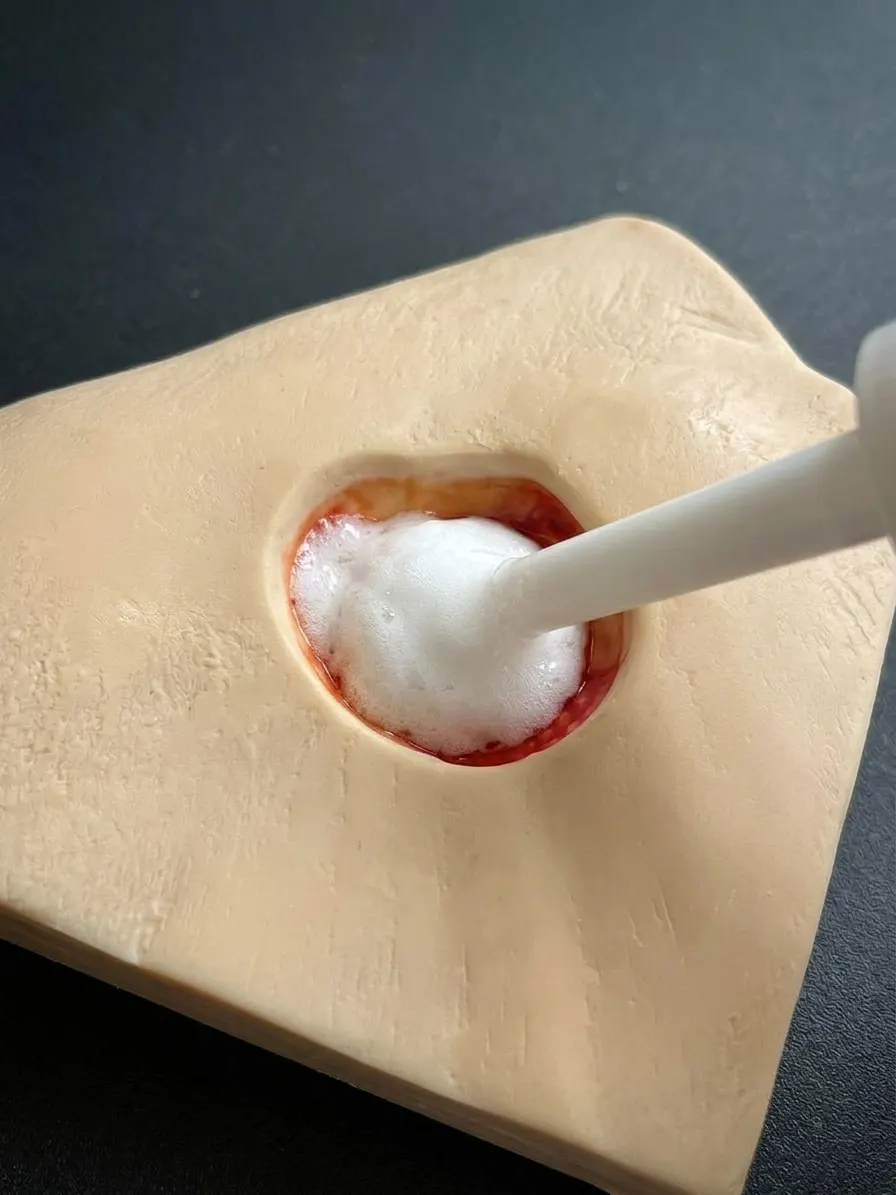

AleSac, a startup spun out from research at DTU, has developed an injectable silicone foam prototype designed to treat deep and complex wounds, including those from blast injuries. The liquid compound is administered via caulking gun, where it expands in situ into a soft, mouldable foam that conforms to the wound’s shape.
Co-founder Anne Ladegaard Skov, professor and department head at DTU Chemical Engineering, notes the technology directly addresses a key limitation in current wound care: the mismatch between deep, cavity-rich injuries and flat dressings. The foam serves two primary functions: absorbing wound exudate, potentially harbouring harmful bacteria, and delivering an antibacterial effect, including activity against multiresistant strains in under two hours.
Laboratory testing has confirmed the foam’s efficacy against biofilm-forming, multi-resistant bacteria. AleSac has been accepted into the U.S. medtech accelerator BioLab CATALYST, gaining access to regulatory expertise and investor networks ahead of potential FDA approval and U.S. commercialization.
Prepared with AI assistance from the cited sources.
The Cali Reporter newsletter
The stories worth your time.
California, the country, and what comes next. Join our free newsletter for reporting that keeps you informed.
More in Health & Medicine
- Brain Energy Mismatches in Schizophrenia
A new study explores the potential role of energy bottlenecks in brain cells in explaining fragmented experiences of time, space, and self in schizophrenia.
- Brazil Reports First Mpox Death in 2026
Brazil has recorded its first mpox-related death in 2026, but public health officials are not classifying the current surge in cases as an outbreak, according to the Fiocruz Institute.
- Personalized Therapies for IBD May Target Specific Harmful Gut Bacteria
A study led by Dr. Lukas Mager and Prof. Kathy McCoy has identified two gut bacteria that promote inflammation in inflammatory bowel disease, opening the door for personalized treatments.