MAHA Movement Suffers Electoral Setbacks Despite Continued Influence in Trump Administration
The Make America Healthy Again (MAHA) movement faced significant electoral losses in the 2026 midterm elections, yet its influence in the Trump administration persists.

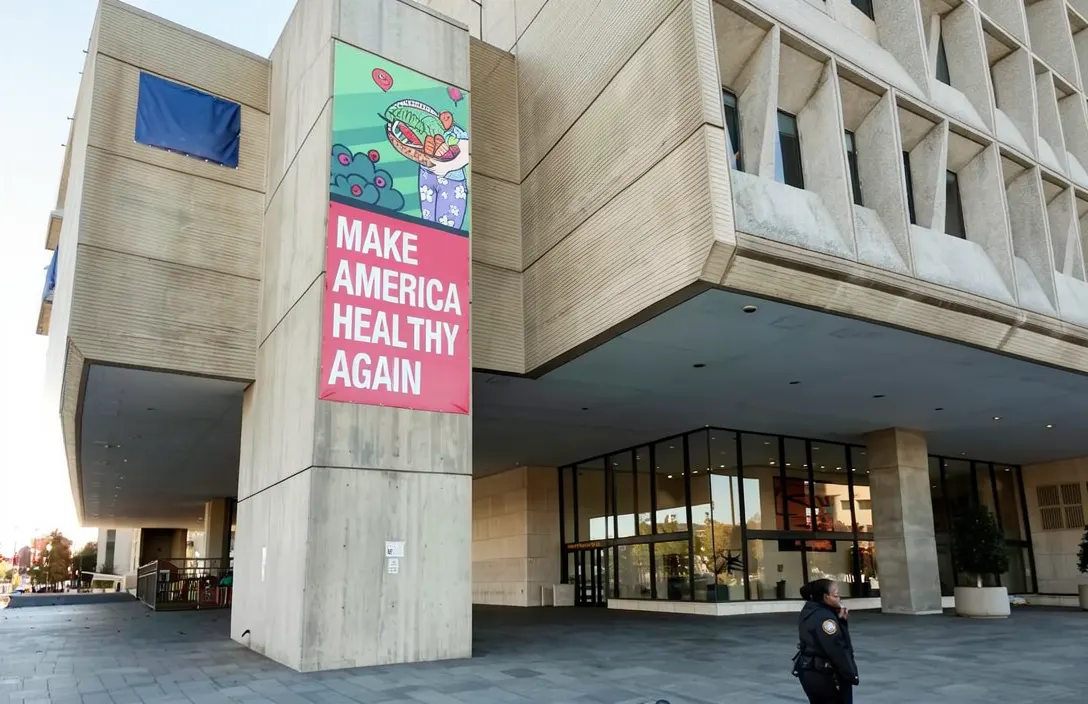
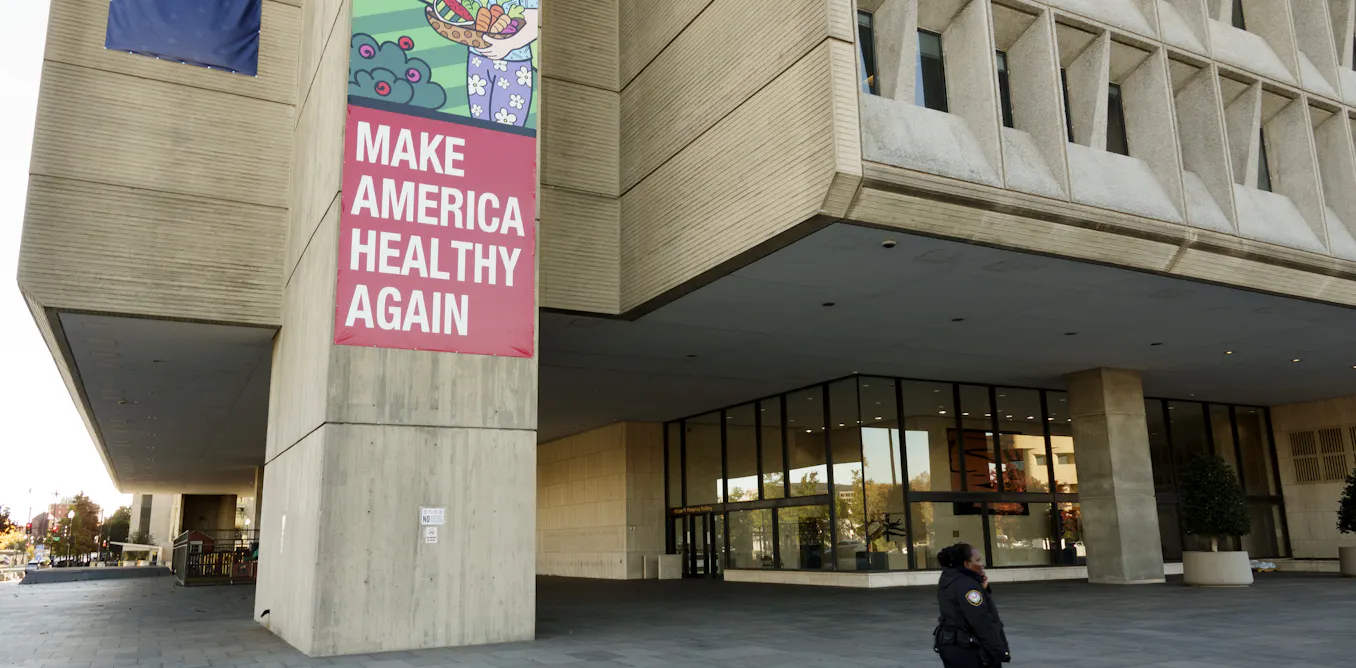
Candidates aligned with the Make America Healthy Again (MAHA) movement suffered a series of electoral defeats in the 2026 midterm elections, raising questions about the movement’s political future (Evidence 1). Despite its name, MAHA has become a controversial force in American health politics. While the movement calls for healthier food, increased physical activity, and greater corporate transparency, prominent figures within it have also challenged established scientific evidence, especially on vaccines. Some commentators and critics have described the defeat of MAHA-aligned candidates like Iowa gubernatorial candidate Zach Lahn as a 'brutal election night wipeout.' Others have asked whether MAHA is 'dying.' Yet many Americans still support MAHA and the policies it champions. [1]
Strong ties to the MAHA movement did not lead Zach Lahn, Iowa’s Republican candidate for governor, to victory. More than half the 24 gubernatorial and Congressional candidates endorsed by MAHA’s political action committee, MAHA Action, lost their election bids. These included Lahn, Texas Senate candidate Ken Paxton, and House candidate Vic Mellor in Rhode Island. Others, like incumbent Representative Anna Paulina Luna, R-FL, won by less than 1% in a district that she won by nearly 10 percentage points in 2024. Lahn’s defeat stands out as a major loss. Lahn, a farmer who railed against pesticides on the campaign trail and promised to ban COVID-19 vaccinations in Iowa, was endorsed by Robert F. Kennedy Jr., the Health and Human Services Secretary (Evidence 1). [1]
Executive Order 14420 reaffirms the policy of aligning United States core childhood vaccine recommendations with scientific evidence and best practices from peer, developed countries while preserving access to vaccines currently available to Americans. The order outlines Gold Standard Childhood Vaccine Recommendations, which include immunizations recommended for all children, immunizations recommended for certain high-risk groups or populations, and immunizations based on shared clinical decision-making (Evidence 2). [2]
Candidates tied to the Make America Healthy Again (MAHA) movement suffered a series of electoral defeats in the 2026 midterm elections, raising questions about the movement’s political future (Evidence 1). Strong ties to the MAHA movement did not lead Zach Lahn, Iowa’s Republican candidate for governor, to victory. More than half the 24 gubernatorial and Congressional candidates endorsed by MAHA’s political action committee, MAHA Action, lost their election bids. These included Lahn, Texas Senate candidate Ken Paxton, and House candidate Vic Mellor in Rhode Island. Others, like incumbent Representative Anna Paulina Luna, R-FL, won by less than 1% in a district that she won by nearly 10 percentage points in 2024. [1]
Advertisement
Despite these losses, the movement’s influence extends beyond its candidates and the elections they contest. A May 2026 poll conducted by the health policy organization KFF found that 41% of American adults supported MAHA, including many Democrats and independents. Many Americans also share MAHA’s concerns about food safety. According to KFF, 75% of Americans believe the government does too little to regulate chemical additives in food, while 64% say the same about agricultural pesticides. Yet the popularity of MAHA policies did little to help MAHA-backed candidates win in the first election cycle where MAHA-aligned candidates were on the ballot. [1]
Executive Order 14420 reaffirms the policy of aligning United States core childhood vaccine recommendations with scientific evidence and best practices from peer, developed countries while preserving access to vaccines currently available to Americans (Evidence 2). The order outlines the Gold Standard Childhood Vaccine Recommendations, which include immunizations recommended for all children, certain high-risk groups or populations, and those based on shared clinical decision-making. It also mandates that the Department of Health and Human Services (HHS) take steps to advance these recommendations, including offering options to administer core childhood vaccines as single vaccines rather than combination products/doses. [2]
Candidates aligned with the Make America Healthy Again (MAHA) movement suffered a series of electoral defeats in the 2026 midterm elections, raising questions about the movement’s political future (Evidence 1). More than half of the 24 gubernatorial and Congressional candidates endorsed by MAHA’s political action committee, MAHA Action, lost their election bids. These included Zach Lahn, Iowa’s Republican candidate for governor, who was endorsed by Health and Human Services Secretary Robert F. Kennedy Jr. and received over $1 million in campaign contributions from MAHA Action. Lahn's defeat stands out as a major loss, particularly as he had promised to ban COVID-19 vaccinations in Iowa. Despite these electoral losses, public support for MAHA remains strong, with a May 2026 poll by the health policy organization KFF finding that 41% of American adults supported the movement, including many Democrats and independents. [1]
Despite its electoral losses, the movement’s influence extends beyond its candidates and the elections they contest (Evidence 1). MAHA’s agenda continues to hold sway in the Trump administration, with Kennedy still leading HHS and having the ability to reshape how the Centers for Disease Control and Prevention steers vaccine recommendations. These efforts face growing scrutiny amid public confusion over Kennedy’s vaccine guidance and reports that he sought to remove measles-related deaths from CDC statistics. Following the election, Kennedy praised incoming White House Chief of Staff Stephen Miller, declaring, “Next to me, Stephen Miller is the strongest MAHA supporter in the administration. It’s time to unleash the Kraken.” This indicates that MAHA’s influence is not waning within the Trump administration, despite the movement’s poor showing at the ballot box. [1]
Advertisement
Executive Order 14420 reaffirms the policy of aligning United States core childhood vaccine recommendations with scientific evidence and best practices from peer, developed countries while preserving access to vaccines currently available to Americans (Evidence 2). The order outlines a set of Gold Standard Childhood Vaccine Recommendations, including immunizations recommended for all children, certain high-risk groups, and those based on shared clinical decision-making. The order also mandates that the HHS Task Force on Safer Childhood Vaccines present plans to the President within 90 days to improve vaccine research and options for American parents. This policy aligns with MAHA’s broader goals of increasing parental choice and reducing vaccine mandates, even as the movement faces growing political challenges. [2]
Candidates aligned with the Make America Healthy Again (MAHA) movement suffered a series of electoral defeats in the 2026 midterm elections, raising questions about the movement’s political future (Evidence 1). Strong ties to the MAHA movement did not lead Zach Lahn, Iowa’s Republican candidate for governor, to victory. Lahn, who received over US$1 million in campaign contributions from MAHA Action, was endorsed by Robert F. Kennedy Jr., the Health and Human Services Secretary. His defeat, along with other MAHA-aligned candidates, marked a significant setback for the movement. More than half of the 24 gubernatorial and Congressional candidates endorsed by MAHA’s political action committee, MAHA Action, lost their election bids, including Texas Senate candidate Ken Paxton and House candidate Vic Mellor in Rhode Island (Evidence 1). [1]
Despite these electoral losses, the movement’s influence extends beyond its candidates and the elections they contest (Evidence 1). A May 2026 poll conducted by the health policy organization KFF found that 41% of American adults supported MAHA, including many Democrats and independents. Many Americans also share MAHA’s concerns about food safety, as 75% of Americans believe the government does too little to regulate chemical additives in food, while 64% say the same about agricultural pesticides (Evidence 1). However, the popularity of MAHA policies did little to help MAHA-backed candidates win in the first election cycle where MAHA-aligned candidates were on the ballot. Some MAHA activists have shifted blame onto the Trump administration for failing to fulfill promises on these issues (Evidence 1). [1]
Executive Order 14420 reaffirms the policy of aligning United States core childhood vaccine recommendations with scientific evidence and best practices from peer, developed countries while preserving access to vaccines currently available to Americans (Evidence 2). The order outlines Gold Standard Childhood Vaccine Recommendations, which include immunizations for all children, certain high-risk groups, and those based on shared clinical decision-making. It also emphasizes the importance of parental choice and informed consent in childhood vaccination decisions (Evidence 2). The order mandates that the Department of Health and Human Services (HHS) take appropriate steps to advance these recommendations, and it advises states to review and update their immunization requirements based on scientific assessments and international best practices (Evidence 2). [2]
Advertisement
The Cali Reporter newsletter
The stories worth your time.
California, the country, and what comes next. Join our free newsletter for reporting that keeps you informed.
More in Explainers
- Crisis Communication During the 2026 Air Traffic Ground Stop
The Federal Aviation Administration's response to the Nov. 13, 2026, ground stop highlighted critical missteps in public reassurance, according to a crisis communications expert.
- El Niño's Health Risks and Global Impacts
As one of the most powerful El Niño events on record approaches, global health risks are increasing, particularly in regions already vulnerable to extreme weather. Early warnings and preparedness measures are critical…
- El Salvador's Military Expansion in Haiti Amid Gang Violence
El Salvador's President Nayib Bukele has escalated military operations in Haiti, marking a significant shift in the region's approach to combating gang violence. The intervention, which includes the deployment of…