Marina Safeway Project Faces Legal Challenge Over Toxic Waste Concerns
Opponents of the Marina Safeway development have filed a federal lawsuit, alleging that the city bypassed environmental review requirements and fast-tracked the project despite concerns about toxic contamination on the…

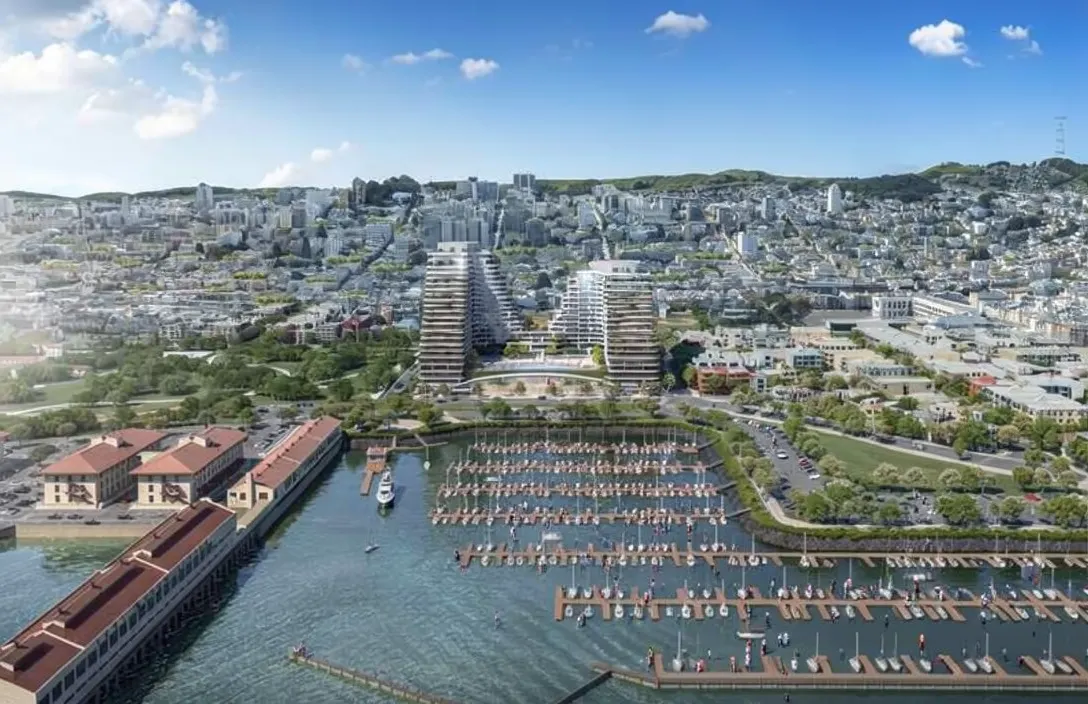
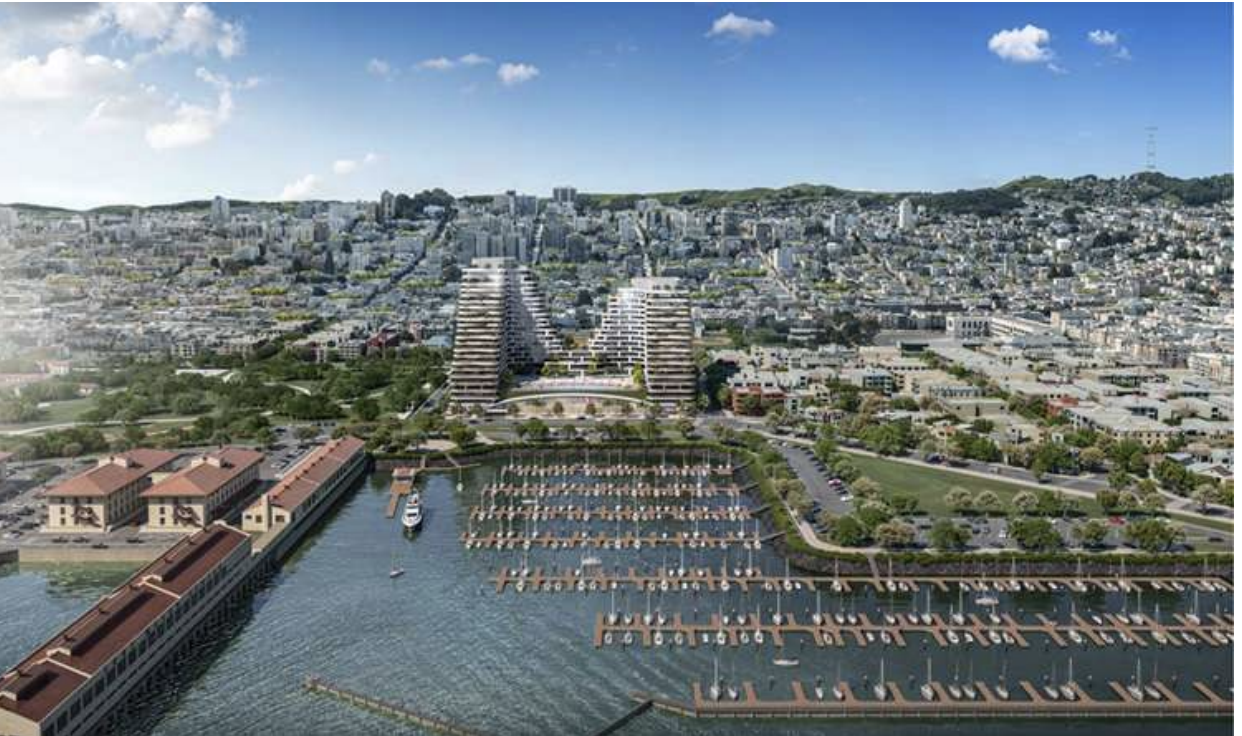
Opponents of the Marina Safeway project, which has received fast-track approval from the city, have filed a lawsuit in federal court, alleging that the site is contaminated with toxic waste. The developer, Safeway, has admitted that there are toxics in the area, but has not allowed testing of the land below the existing supermarket, which will be demolished for an 840-unit luxury housing project (source 1). The lawsuit argues that the city altered its planning bulletins to clear the way for the project without an environmental impact report or public hearing (source 1). [1]
The lawsuit cites historical data showing that PG&E operated a steam power plant on the site more than 100 years ago, using toxic hydrocarbons as fuel, and a nearby gas plant that left behind a stew of toxic chemicals. The state water board has ruled that the area is safe for commercial and industrial use but not for residential use (source 1). The plaintiffs argue that the city's interpretation of 'urban use' is flawed, as the Marina Safeway project is adjacent to Marina Green and Fort Mason, which are primarily recreational and open space (source 1). [1]
According to the lawsuit, the streamlined review process under AB 2011 still requires critical environmental and health and safety oversight, including an environmental assessment and a preliminary endangerment assessment before the project can be approved. However, the city approved the project without these steps, raising concerns about potential exposure to hazardous substances during and after construction (source 1). The plaintiffs are seeking an injunction to halt construction until the legal issues are resolved, which could serve as a key test of the AB 2011 approach to housing development (source 1). [1]
The Marina Safeway project is located in the Marina District of San Francisco, adjacent to Marina Green and Fort Mason, which are primarily recreational and open space areas. The site, which currently houses a Safeway supermarket, is slated for the construction of an 840-unit luxury housing development. The project involves the demolition of the existing Safeway and the excavation of up to 30 feet below ground surface across a large area. The site has a history of industrial use, with PG&E operating a steam power plant on the location over 100 years ago, using toxic hydrocarbons as fuel. Additionally, a nearby gas plant operated by PG&E used coal in high-temperature furnaces to produce natural gas, leaving behind a mixture of toxic chemicals that have never been cleaned up. The state water board has ruled that the area is safe for commercial and industrial uses but not for residential uses. [1]
Advertisement
The project has been approved under the streamlined review process established by AB 2011, a state law championed by state Sen. Scott Wiener, who is now running for Congress. The law allows for fast-track approvals of certain developments, including those that would otherwise require extensive environmental review. However, the lawsuit filed by the YesAnd Foundation, Neighborhoods United SF, and four Marina residents argues that the city changed the language of its Planning Department Bulletin No. 9 to allow the Marina Safeway project to proceed without an environmental impact report or public hearing. The original language of the bulletin stated that projects requiring extensive environmental review were not eligible for streamlining, but after resident complaints, the language was altered to permit fast-track treatment of toxic waste sites as long as the developer addresses the hazards later. [1]
The plaintiffs in the lawsuit argue that the Marina Safeway project fails to meet the statutory requirements for streamlined review under AB 2011. According to the complaint, the law still requires critical environmental and health and safety oversight, including the completion of an environmental assessment to determine if there has been a release of hazardous substances on the site. If such a release is identified, the developer must prepare a detailed preliminary endangerment assessment and then develop a plan to remove or mitigate the hazardous substances to a level of insignificance. The lawsuit claims that these requirements have not been met, and that the city has not enforced the developer’s statutory obligations to perform the necessary environmental and health and safety assessments to protect neighbors and future occupants from exposure to hazardous waste on the site. [1]
The project has faced significant opposition from local residents and community groups, who argue that the construction will subject them to high levels of dangerous chemicals due to the potential release of toxins during excavation and demolition. The plaintiffs also contend that the city’s argument that the presence of parking lots at Marina Green and Fort Mason qualifies them as “urban use” is a flawed interpretation of the law. They compare this to the idea that Yosemite National Park, which also has a parking lot, would be considered an “urban use” under the same logic. The lawsuit further asserts that the city and state have not followed their own rules in the approval process, and that the fast-track treatment of the Marina Safeway project could serve as a key legal test of the AB 2011 approach to housing development and the broader Yimby movement’s stance on expediting housing projects, regardless of potential environmental and health risks. [1]
Opponents of the Marina Safeway project, which has received fast-track approval from the city, have filed a lawsuit in federal court, alleging that the site is contaminated with toxic waste. The lawsuit cites historical data showing that PG&E operated a steam power plant on the site more than 100 years ago, using toxic hydrocarbons as fuel, and a nearby gas plant that left behind a stew of toxic chemicals (Source ID: 1). [1]
Advertisement
According to the lawsuit, the streamlined review process under AB 2011 still requires critical environmental and health and safety oversight, including an environmental assessment and a preliminary endangerment assessment before the project. The city's Planning Department initially stated that projects needing extensive environmental review were not eligible for streamlining, but after residents complained about the Safeway project, the language in Bulletin No. 9 was changed (Source ID: 1). [1]
The lawsuit argues that the city and the state did not follow their own rules in approving the project. The plaintiffs are asking for some sort of relief, which could include an injunction against any construction until the legal issues are resolved. This will be a key legal test not only of this project, but of the AB 2011 approach to housing development (Source ID: 1). [1]
Sources
Prepared with AI assistance from the cited sources.
The Cali Reporter newsletter
The stories worth your time.
California, the country, and what comes next. Join our free newsletter for reporting that keeps you informed.
More in San Francisco
- Documentary Explores the Discovery of Lesbian Seagulls and Its Impact on LGBTQ+ History
A new documentary, 'Love Birds,' delves into the scientific discovery of lesbian seagull pairs in the 1970s and its broader implications for LGBTQ+ history and representation in nature films.
- Lower Haight Parklet Removal Sparks Community Division
The removal of a community-built parklet in the Lower Haight neighborhood of San Francisco has ignited debate among residents, raising questions about public safety, neighborhood management, and the challenges of…
- Bayview Black Women Family Homes in San Francisco
The San Francisco Standard reports on the challenges and significance of Black families maintaining their homes in the Bayview neighborhood, highlighting the stories of Cyn Babalola, Jeanette Wright, and others who are…