Nauru's Parliament Lacks Political Opposition Amid Governance Shift
Nauru's president has announced that all opposition lawmakers have joined his government, marking a significant shift in the country's political landscape.

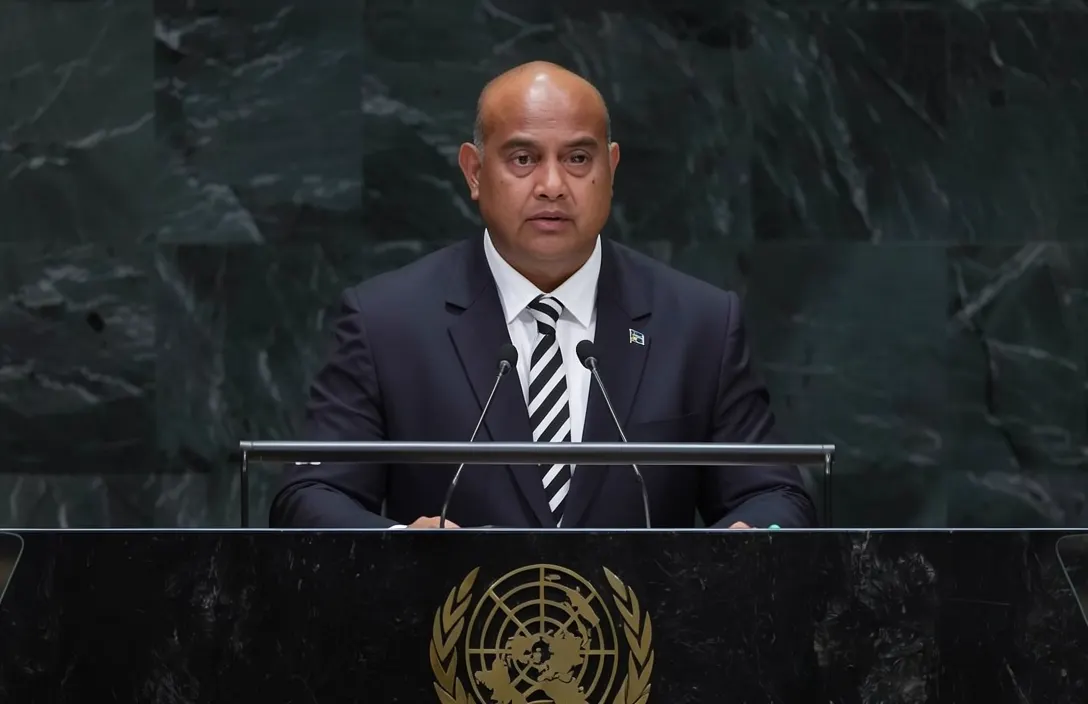
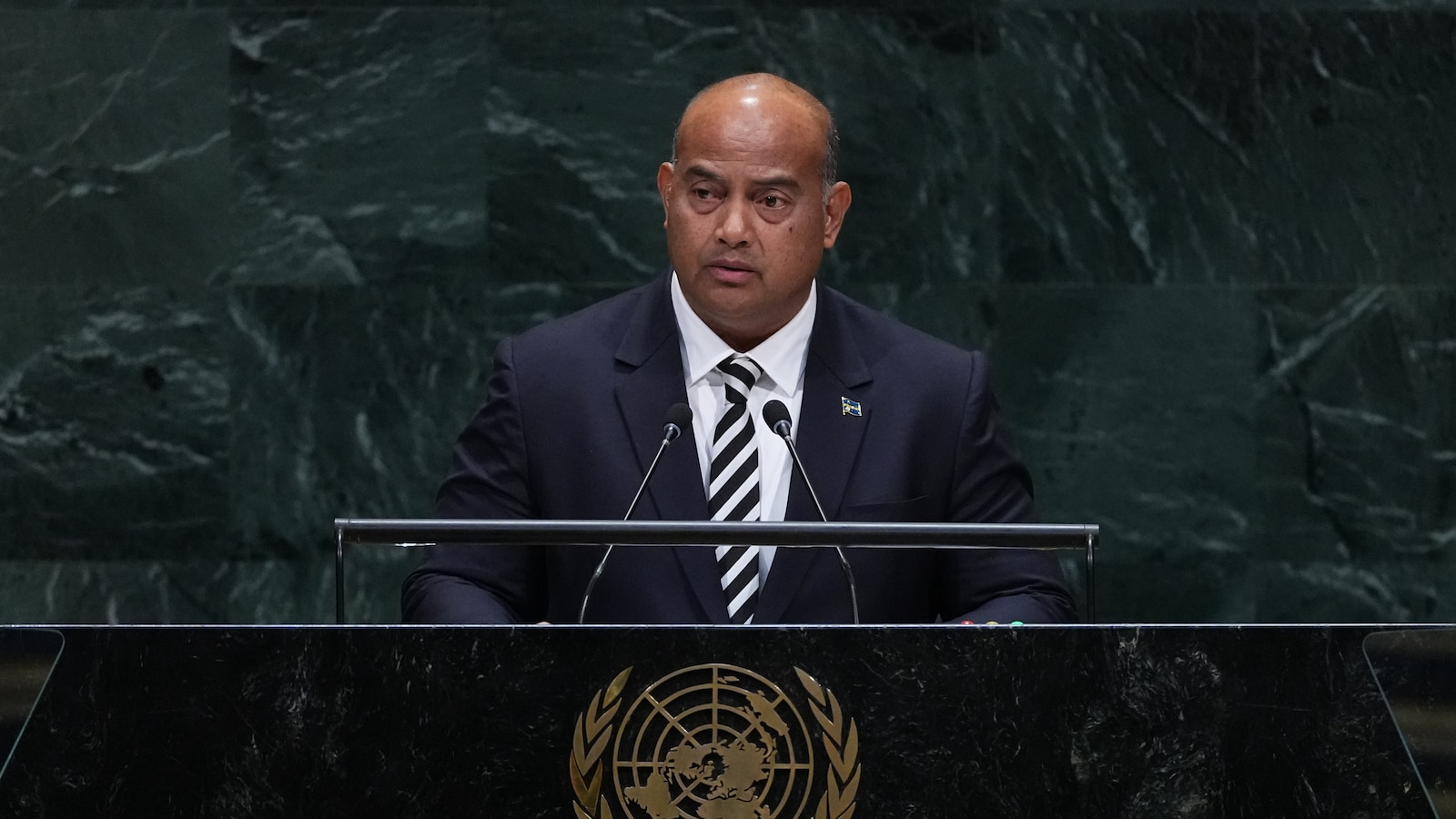
Nauru’s president, David Adeang, has stated that all opposition lawmakers in parliament have joined his government, a move he described as reflecting 'unity, stability and shared purpose' in the Pacific Island country’s politics. This unusual move leaves the 19-member parliament without any political opposition (1). While it’s common for island countries in the South Pacific Ocean to take fluid approaches to forming government and opposition blocs or for lawmakers to switch between them, political debate is habitually robust and Nauru is rare in having no opposing politicians at all (1). [1]
In a Facebook post, Adeang did not explain what had prompted the change beyond a 'shared commitment' to put Nauru's interests first. He also did not suggest who would supply the scrutiny usually provided by opponents in a country with a single house of parliament (1). The appointment of two lawmakers, Pyon Deiye and Jason Bingham Agir, as deputy cabinet ministers meant that Nauru’s parliament was in total support of the government for the first time since the country’s independence in 1968, Adeang said (1). [1]
Government Facebook posts announcing the change were the sole source of information about it; all news outlets in the country of 12,000 people are government-owned. Foreign reporters are discouraged from traveling there, with journalist visa applications priced at 8,000 Australian dollars ($5,445) (1). Adeang made global news headlines in August when he said his country would officially become known as Naoero, making it the latest state to formally adopt the local spelling of its name (1). [1]
Nauru’s president, David Adeang, has stated that all opposition lawmakers in parliament have joined his government, a move he described as reflecting 'unity, stability and shared purpose' in the Pacific Island country’s politics (1). In a Facebook post, Adeang did not explain what had prompted the change beyond a 'shared commitment' to put Nauru's interests first (1). The unusual move leaves the 19-member parliament without any political opposition (1). While it’s common for island countries in the South Pacific Ocean to take fluid approaches to forming government and opposition blocs or for lawmakers to switch between them, political debate is habitually robust and Nauru is rare in having no opposing politicians at all (1). [1]
Advertisement
Government Facebook posts announcing the change were the sole source of information about it; all news outlets in the country of 12,000 people are government-owned (1). Foreign reporters are discouraged from traveling there, with journalist visa applications priced at 8,000 Australian dollars ($5,445) (1). Adeang made global news headlines in August when he said his country would officially become known as Naoero, making it the latest state to formally adopt the local spelling of its name (1). It brought international attention to a country visited by few (1). [1]
Nauru, a constitutional republic and United Nations member, is one of the world’s smallest countries by both population and size (1). Limited infrastructure, a remote location and the environmental damage wrought by phosphate mining mean it attracts few visitors, unlike many other Pacific islands where foreign tourism is the main economic driver (1). But it's among the South Pacific countries where domestic politics have drawn keener outside interest in recent years as the sprawling ocean where Nauru is located has become the site of geopolitical contest between major powers (1). [1]
Nauru’s president, David Adeang, has stated that all opposition lawmakers in parliament have joined his government, a move he described as reflecting 'unity, stability and shared purpose' in the Pacific Island country’s politics. This development leaves the 19-member parliament without any political opposition, an unusual situation in the region (1). While it is common for island countries in the South Pacific Ocean to take fluid approaches to forming government and opposition blocs or for lawmakers to switch between them, political debate is habitually robust, and Nauru is rare in having no opposing politicians at all (1). [1]
In a Facebook post, Adeang did not explain what had prompted the change beyond a 'shared commitment' to put Nauru's interests first. He also did not suggest who would supply the scrutiny usually provided by opponents in a country with a single house of parliament. 'There will still be a diversity of views and robust debate as in any strong and healthy democracy,' Adeang wrote (1). [1]
Advertisement
Government Facebook posts announcing the change were the sole source of information about it; all news outlets in the country of 12,000 people are government-owned. Foreign reporters are discouraged from traveling there, with journalist visa applications priced at 8,000 Australian dollars ($5,445) (1). [1]
Nauru’s president, David Adeang, has stated that all opposition lawmakers in parliament have joined his government, a move he described as reflecting 'unity, stability and shared purpose' in the Pacific Island country’s politics (1). This has resulted in a parliament with no political opposition, an unusual situation in a region where political debate is typically robust (1). Adeang did not explain the reasons behind the change, citing only a 'shared commitment' to put Nauru's interests first (1). [1]
Government Facebook posts have been the sole source of information about the political shift, as all news outlets in the country of 12,000 people are government-owned (1). This lack of independent media has limited the availability of alternative perspectives on the developments in Nauru (1). Foreign reporters are discouraged from traveling to the country, with journalist visa applications priced at 8,000 Australian dollars ($5,445) (1). [1]
Nauru, a constitutional republic and United Nations member, is one of the world’s smallest countries by both population and size (1). Limited infrastructure, a remote location, and environmental damage from phosphate mining have contributed to the country's lack of tourism and economic challenges (1). Despite these issues, Nauru has become a focal point of geopolitical interest due to its strategic location and exclusive economic zones (1). [1]
Advertisement
The Cali Reporter newsletter
The stories worth your time.
California, the country, and what comes next. Join our free newsletter for reporting that keeps you informed.
More in U.S. News
- Cold Case Breakthrough Identifies 'Montauk Mary' as Possible Victim of 'Thrill Killer'
Suffolk County investigators have identified Sofia Margherita Marrone, known as 'Montauk Mary,' as a potential victim of Richard Biegenwald, the Jersey Shore 'Thrill Killer,' using DNA evidence.
- Driver Who Plowed Into Soccer Field Will Not Face Criminal Charges
A driver who fell asleep at the wheel and plowed a pickup truck into a youth soccer field in Wichita, Kansas, killing two people, will not face criminal charges, according to a report by the Sedgwick County District…
- Alleged Assault at NYC Protest Involving LGBTQ+ Activist
A woman claims she was assaulted by an LGBTQ+ activist during a protest outside Mount Sinai Hospital in New York City, according to a report by Fox News US.