New Research Exposes Secret Patterns Behind 18,000-Year-Old Ivory Art
How Ice Age carvers mimicked nature to leave a lasting legacy.

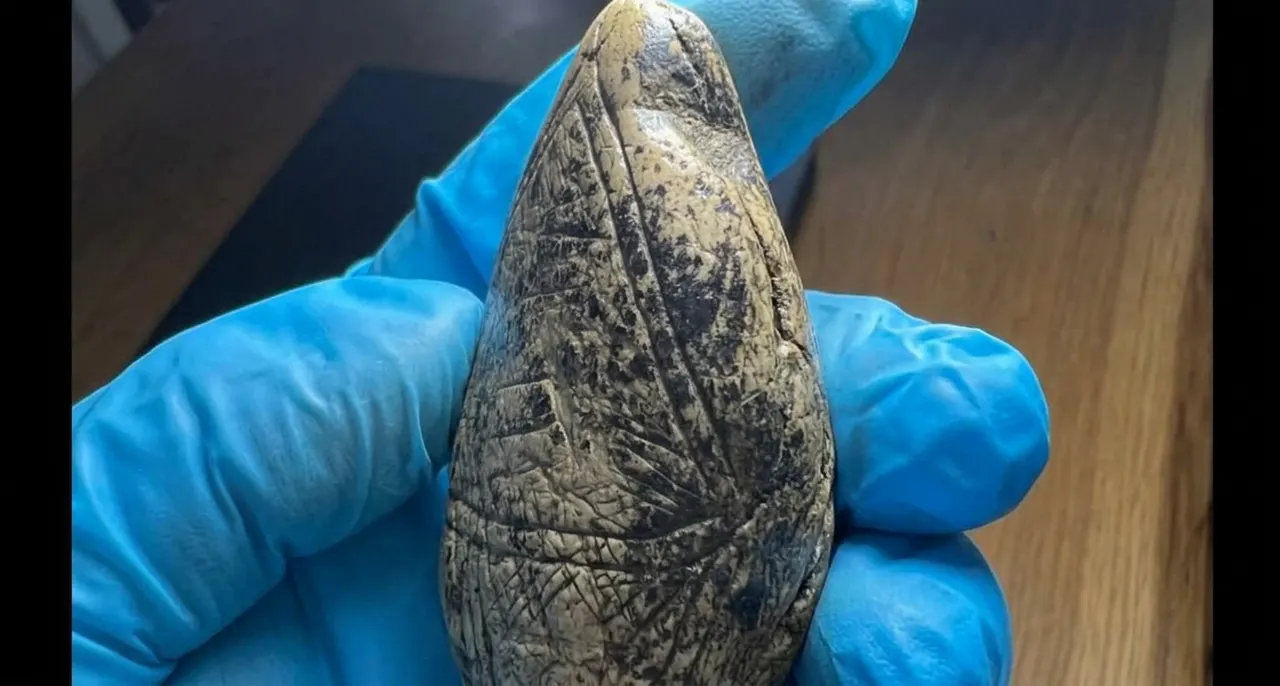
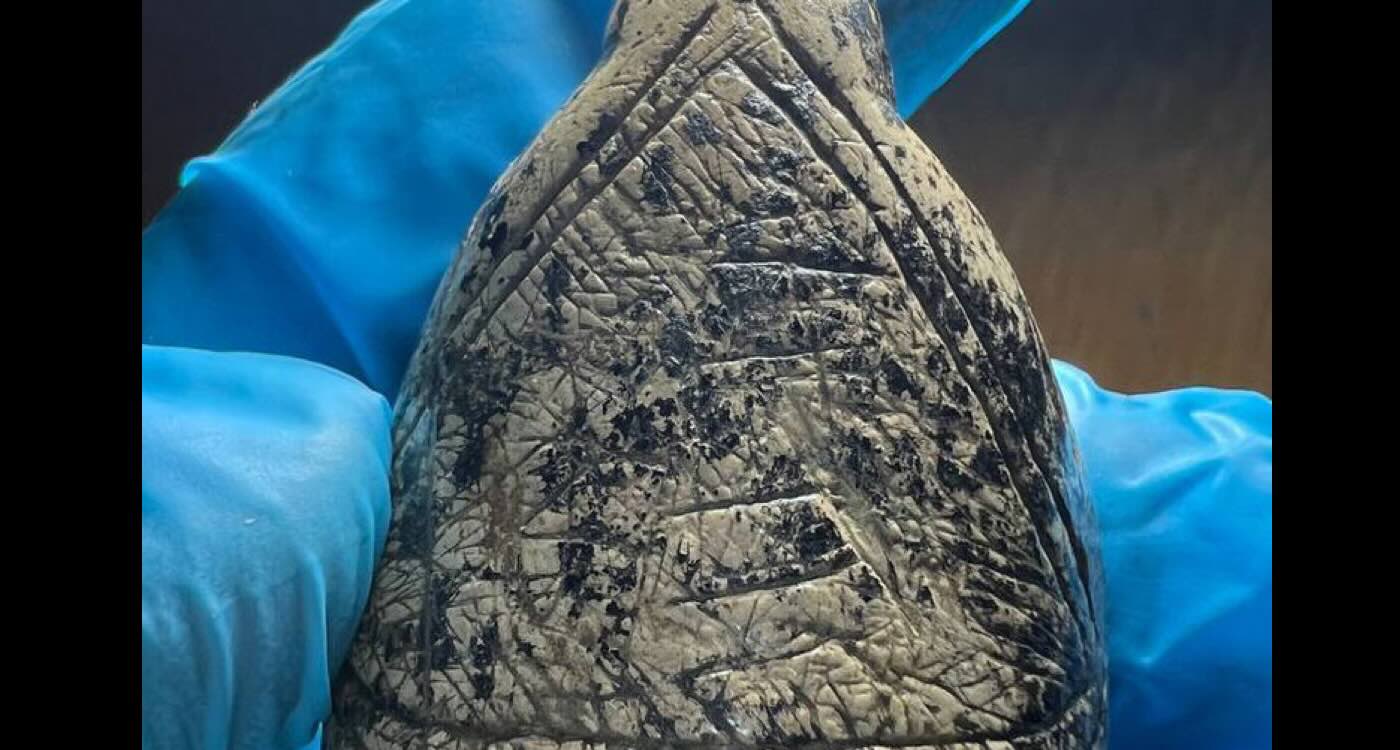
When we examine the past, we often assume we know the limits of our ancestors. New research reveals that Ice Age craftspeople were actually meticulous observers of nature. Scientists have discovered that the artists who carved 18,000-year-old female figurines in Ukraine did not merely use mammoth ivory. They actually studied and mimicked the distinctive growth patterns visible in the tusks themselves.
This discovery is detailed in a study published in the journal Heritage Science. An analysis of 18 “Venus” figurines found at the Mizyn site in Ukraine shows that prehistoric carvers carefully observed and mimicked the natural lines of the ivory. They used these natural lines to structure their artistic engravings. The discovery was made possible using high-resolution microscopic analysis and 3D digital modeling. Researchers from the UK, Germany, Norway and Ukraine found that the carvers explicitly incorporated Schreger and Owen lines, natural growth rings found in mammoth tusks, into the surface patterns of the figures.
Dr. Aimée Little from the University of York emphasized that this discovery offers an extraordinary window into how Paleolithic peoples perceived their world. She noted that identifying visual evidence of how mammoths were integrated into artistic traditions represents a genuine breakthrough. Access to the physical artifacts at the National Museum of History of Ukraine in Kyiv was limited by the ongoing conflict. This made digital scanning essential to ensure their preservation and study into the future. The artifacts were recorded as part of urgent heritage preservation efforts led by Ukrainian NGO Archaic.
The timeline of this artistic resurgence is striking. There is a gap of 1,000 to 3,000 years in the creation of human figurines across Europe. This gap coincides with the Last Glacial Maximum, the coldest peak of the last Ice Age. Dr. Andrew Needham explained that figurine-making re-emerged around 18,000 years ago. It began earlier in Eastern Europe than in the West. While later Western European styles also featured abstracted female forms, none reproduced the internal tusk patterns seen at Mizyn. This indicates that Ice Age artists in Eastern Europe forged their own independent artistic path.
Advertisement
Dr. Simon Radchenko from the University of Stavanger, Norway, believes their findings reveal the crucial elements of its artistry. He stated that future digital research will likely show an even more complex picture of artistic expression in Europe. Dr. Dmytro Kiosak from the Leibniz Centre for Archaeology in Germany agrees. He notes that the findings challenge the long-held assumption that ancient art simply evolved in a straight line. By looking closely at these ancient patterns, we see a history that is richer and more deliberate than previously thought.
First reported by Good News Network.
The Cali Reporter newsletter
The stories worth your time.
California, the country, and what comes next. Join our free newsletter for reporting that keeps you informed.
More in Good News
- World's First Non-Malignant Bone Marrow Transplant Successfully Treats Aplastic Anemia
A groundbreaking medical achievement has been made with the successful use of a deceased organ donor's bone marrow to treat a non-malignant disease, offering new hope for patients with aplastic anemia.
- Preserving Kids' Art Through Collaborative Collages
An artist has found a way to help parents preserve their children's artwork while reigniting their own creativity, leading to a growing trend among families.
- Spain's Cantabrian Brown Bear Population Doubles in 20 Years
Spain has witnessed a remarkable recovery of its Cantabrian brown bear population over the last two decades, with numbers doubling to 370 individuals and their breeding range expanding significantly.