Nvidia's Export Control Loophole and Chinese Access to AI Technology
A recent scandal involving Nvidia and Chinese business practices has raised concerns about potential breaches in American export controls, allowing China access to advanced AI chips through intermediaries in Singapore…

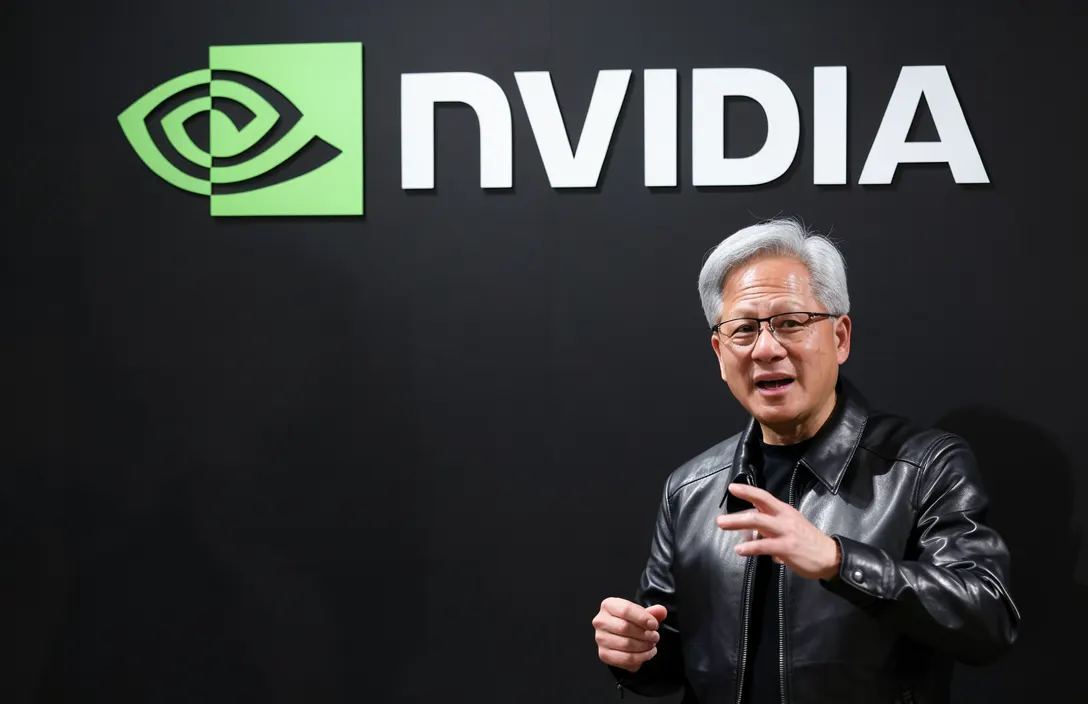
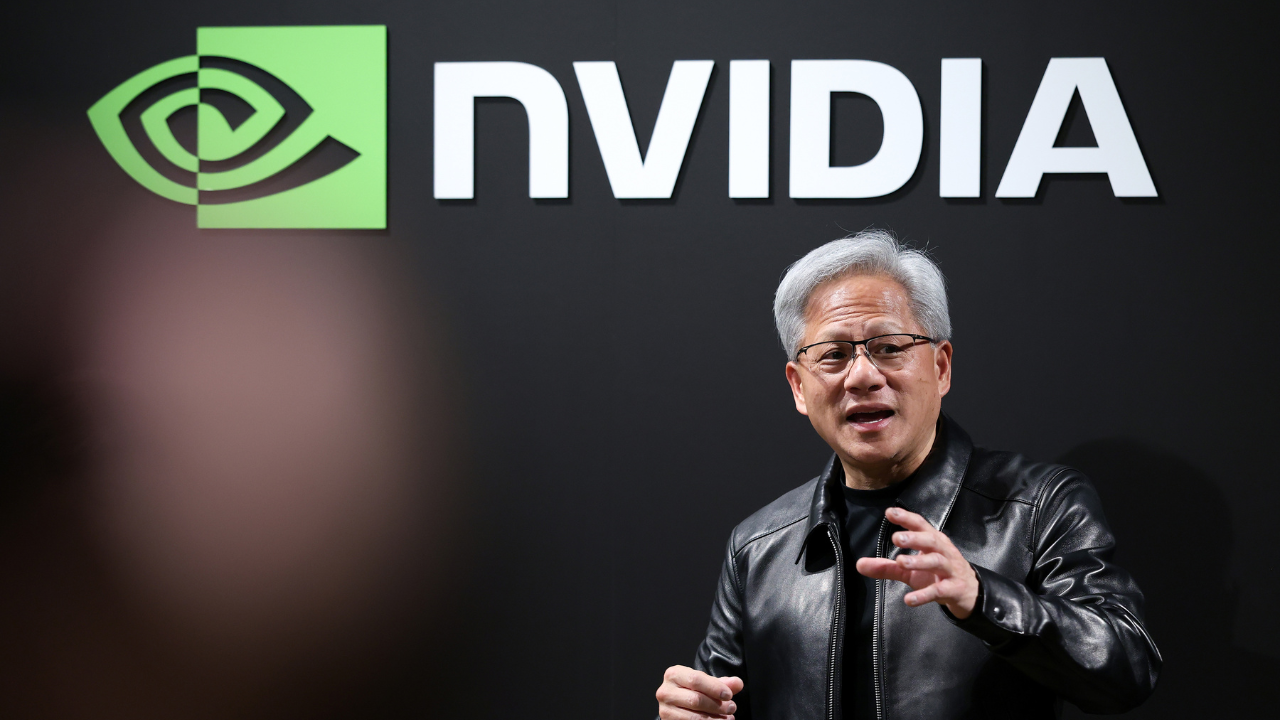
China may have found a way to circumvent American restrictions on advanced artificial intelligence chips by obtaining processors through ostensibly legitimate companies in Singapore and Malaysia, exploiting weaknesses in American export enforcement, and using personal relationships to influence the leadership of the world’s most important AI chipmaker (Fox News Opinion, 2024). The unfolding Nvidia scandal raises the possibility that an elaborate Chinese intelligence operation came dangerously close to succeeding. Some of the technology may already have reached Chinese customers, and Congress and the CIA will have to establish how much China got away with and who helped them defeat America. [1]
The most troubling unanswered question concerns approximately 50,000 Nvidia processors whose locations could not be reconciled with the company’s reported inventory records. Nvidia later said it located hardware in additional warehouses, but full public reconciliation and independent verification of final locations remained unknown (Fox News Opinion, 2024). These are not ordinary electronic components. Nvidia’s H100, H200, and newer Blackwell-family processors are among the most strategically important technologies underlying modern artificial intelligence, with applications in military intelligence, cyberwarfare, scientific research, autonomous weapons, and economic competition. [1]
The apparent weakness involved the distinction between selling advanced processors directly to China and selling them to companies operating data centers elsewhere in Asia. Singapore and Malaysia have developed substantial cloud-computing industries, allowing companies in these countries to legitimately purchase American technology, install processors in data centers, and rent computing capacity to customers worldwide (Fox News Opinion, 2024). For China, this arrangement potentially presents two opportunities: processors ostensibly destined for facilities outside China might subsequently be physically diverted to Chinese customers, or Chinese companies might obtain access to advanced American processors without importing the physical chips at all, instead renting computing capacity in overseas data centers. [1]
The Mystery of the 50,000 Chips Perhaps the most disturbing disclosure concerns the discrepancy between Nvidia’s reported sales to Megaspeed through hardware partners and the inventory identified during subsequent examinations. Bloomberg reported a discrepancy of roughly 50,000 processors between Nvidia’s initial government tally and shipments made through hardware partners (Fox News Opinion, 2024). While Nvidia subsequently said it found hardware during inspections of additional Megaspeed warehouses, the company has not publicly disclosed exact counts—leaving open whether every processor can be accounted for and verified against unauthorized diversion to China. [1]
Advertisement
China may have discovered a way around U.S. restrictions on advanced artificial intelligence chips by obtaining processors through ostensibly legitimate companies in Singapore and Malaysia, exploiting weaknesses in American export enforcement, and using personal relationships to influence the leadership of the world’s most important AI chipmaker (Fox News Opinion, 2024). This method involves selling advanced processors to companies in Singapore and Malaysia, which operate data centers and then rent computing capacity to customers worldwide, including potentially Chinese entities. This arrangement presents opportunities for unauthorized reexports and access to advanced American processors without importing the physical chips directly into China. [1]
The most troubling unanswered question concerns approximately 50,000 Nvidia processors whose locations could not be reconciled with the company’s reported inventory records. Nvidia later said it located hardware in additional warehouses, but full public reconciliation and independent verification of final locations remained unknown (Fox News Opinion, 2024). These processors are among the most strategically important technologies underlying modern artificial intelligence, helping to train advanced models that can transform military intelligence, cyberwarfare, scientific research, autonomous weapons, and economic competition. [1]
The apparent weakness in the export-control system involves the distinction between selling advanced processors directly to China and selling them to companies operating data centers elsewhere in Asia. Singapore and Malaysia have developed substantial cloud-computing industries, allowing companies in these countries to legitimately purchase American technology, install processors in data centers, and rent computing capacity to customers worldwide (Fox News Opinion, 2024). This loophole is strategically significant as it allows China to gain access to restricted American computing power while leaving the processors physically outside Chinese territory. [1]
Sources
Prepared with AI assistance from the cited sources.
The Cali Reporter newsletter
The stories worth your time.
California, the country, and what comes next. Join our free newsletter for reporting that keeps you informed.
More in U.S. News
- Cold Case Breakthrough Identifies 'Montauk Mary' as Possible Victim of 'Thrill Killer'
Suffolk County investigators have identified Sofia Margherita Marrone, known as 'Montauk Mary,' as a potential victim of Richard Biegenwald, the Jersey Shore 'Thrill Killer,' using DNA evidence.
- Driver Who Plowed Into Soccer Field Will Not Face Criminal Charges
A driver who fell asleep at the wheel and plowed a pickup truck into a youth soccer field in Wichita, Kansas, killing two people, will not face criminal charges, according to a report by the Sedgwick County District…
- Alleged Assault at NYC Protest Involving LGBTQ+ Activist
A woman claims she was assaulted by an LGBTQ+ activist during a protest outside Mount Sinai Hospital in New York City, according to a report by Fox News US.