Stop Buying Guac and Start Cooking Artichokes This Week
The state vegetable is cheaper than steak and better for your gut

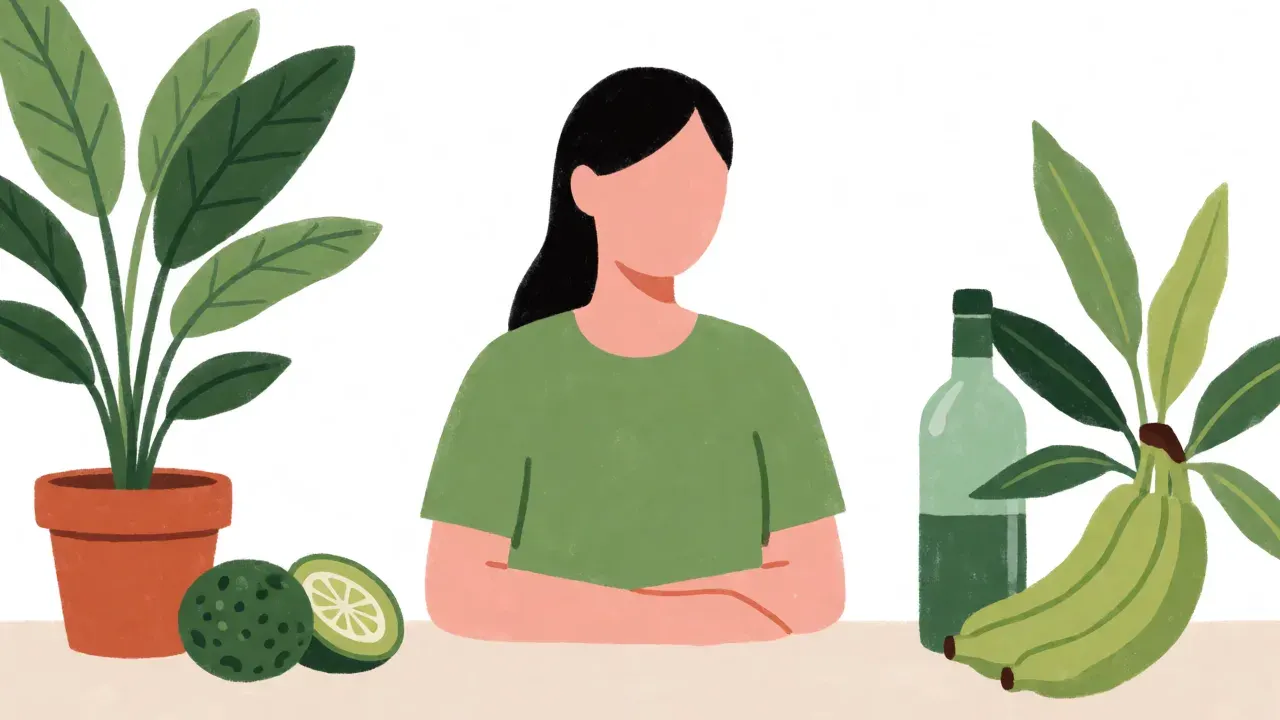
You have been there. You buy the avocado carton with the best of intentions. You slice one open the next morning for toast. You promise yourself you will use the rest later. A few days later you find a brown spot and toss the half of the fruit in the compost bin. That is a waste of money and a waste of a good day. We can do better. We can do much better with the California artichoke.
Let’s get this out of the way. I am not asking you to become a master chef or to prepare a complex recipe from a cookbook. I am talking about a vegetable that fits perfectly into the life of a normal person. We grow about eighty percent of the world's supply right here in the Salinas Valley and surrounding regions and we do it because the soil and the climate are basically magic for this crop.
Consider the economics first. An artichoke is roughly the price of two cups of coffee. It is a substantial side dish that will make sure everyone at the table feels full without needing a second side of rice or pasta. It is a cheap way to add volume to a meal. In a world where groceries cost more every week the artichoke is a quiet hero of the produce aisle.
Then there is the nutrition. Most people think of artichokes as a low calorie snack but they are also packed with fiber and folate. A single medium artichoke contains about twenty-five percent of your daily recommended intake of fiber. That is a big number for a green vegetable that tastes remarkably good. It supports your digestion and keeps your blood sugar steady which is a major win for a midweek dinner.
Advertisement
The biggest barrier to eating them weekly is the prep work. There is a fear of the thorns and the leaf cleanup. But here is the secret nobody tells you. You do not need to be a master to enjoy them. You can buy a bag of frozen artichoke hearts at the grocery store for very little money. Slice them up and toss them into a pasta sauce or a stir fry. It is that simple. This is the path to a weekly habit.
When you do cook them fresh keep it simple. Fill a pot with water and a squeeze of lemon maybe a little garlic powder. You do not need fancy wine reductions or expensive oils. You just need to let them steam long enough to get tender. When they are done you pull a leaf brush it with butter and scrape off the meat. It is a meditative process that forces you to slow down while you are eating. You cannot scroll through your phone and eat an artichoke.
And then there is the heart. After the leaves are gone you are left with the meaty base and the hairy choke. You scoop the fuzzy bits out and you are left with the treasure in the center. This is the treat. It is often the best part of the meal and a satisfying end to the process.
It is about the connection to the land. We have a seasonality to our artichokes and knowing that gives you a reason to rotate them into your meal plan. It reminds you that real food comes from the ground and that good food takes a little time. So next time you are at the market look for the heavy ones with tight leaves. Skip the avocado toast this morning. Put an artichoke on the stove tonight and give your family a meal that is good for the soul.
Advertisement
The Cali Reporter newsletter
The stories worth your time.
California, the country, and what comes next. Join our free newsletter for reporting that keeps you informed.
More in Health & Medicine
- Brain Energy Mismatches in Schizophrenia
A new study explores the potential role of energy bottlenecks in brain cells in explaining fragmented experiences of time, space, and self in schizophrenia.
- Brazil Reports First Mpox Death in 2026
Brazil has recorded its first mpox-related death in 2026, but public health officials are not classifying the current surge in cases as an outbreak, according to the Fiocruz Institute.
- Personalized Therapies for IBD May Target Specific Harmful Gut Bacteria
A study led by Dr. Lukas Mager and Prof. Kathy McCoy has identified two gut bacteria that promote inflammation in inflammatory bowel disease, opening the door for personalized treatments.