The Steep Road To Yemen’s Capital: How One Mountain Pass Controls 7% Of Global Oil Supply
Saudi-backed forces fight off Iran-backed rebels for control of a vital lifeline.

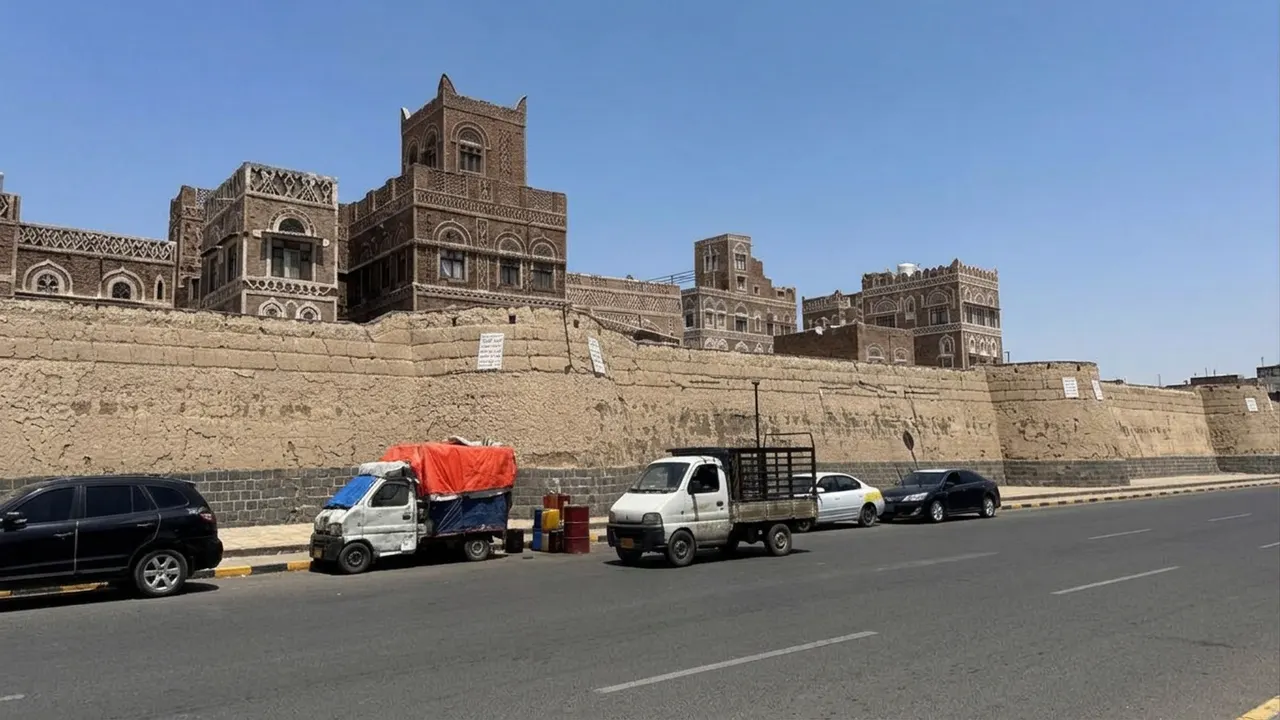

The fighting has been frozen since a truce in 2022, but the temperature is rising again. You look at a map and see lines drawn on paper, but down in Yemen, it is just people trying to survive. Officials say the Saudi-backed government forces repelled overnight attacks by the Iran-backed Houthis on a key supply route. This push targets the steep winding mountain pass known as Hejat al-Abd, which serves as a lifeline for the forces fighting on behalf of the government.
The government forces are currently hemmed in by a lightning Houthi advance this month. This road is not just a dirt track. It is the only route for residents seeking to travel abroad, as there are no commercial flights operating from the Houthi-controlled areas. It is also critical for goods entering Taiz, which is Yemen’s third-largest city and its southern and western rural areas. If the Houthis break through here, it could allow them to tighten their grip on Taiz and deal another blow to the administration.
The stakes for the government go beyond just holding a road. Aden is the southern port city where the internationally recognised administration is based. Seizing parts of the Taiz-Aden road could allow the Houthis to tighten their grip around Taiz. The Houthis have kept up pressure on government forces as they seek to consolidate gains they made nearly two weeks ago. This offensive along Yemen’s Red Sea coast brought them to the shores of the strategic Bab el-Mandeb waterway.
The geography here is controlling the flow of the world. The Houthis seized the port of Mocha before taking the remaining Red Sea coastline and islands. This extended their control to the Bab el-Mandeb Strait at the mouth of the Red Sea. It is one of the world’s most important maritime chokepoints, connecting the Red Sea to the Gulf of Aden and forming a key artery for trade between Asia and Europe via the Suez Canal. According to Kpler data, about 7 percent of global oil output passed through the strait in June.
Advertisement
This is not just a battle for land. It is a battle for the global economy. The Houthi advance along the Red Sea coast also threatens a key alternative route used by Saudi Arabia to export oil when shipments through the Strait of Hormuz are disrupted. The fighting has flared along several old front lines in recent weeks, including around Taiz. The Houthis seized the capital Sanaa in 2014, prompting a Saudi-led military intervention the following year.
The latest fighting marks a sharp escalation in the civil war. Nearly 130,000 Yemenis have been displaced within the country, while more than 3,000 have fled by boat across the Red Sea to Africa. There were over 700 people killed and thousands wounded in the latest fighting, according to the United Nations.
First reported by The Hindu.
The Cali Reporter newsletter
The stories worth your time.
California, the country, and what comes next. Join our free newsletter for reporting that keeps you informed.
More in U.S. News
- Cold Case Breakthrough Identifies 'Montauk Mary' as Possible Victim of 'Thrill Killer'
Suffolk County investigators have identified Sofia Margherita Marrone, known as 'Montauk Mary,' as a potential victim of Richard Biegenwald, the Jersey Shore 'Thrill Killer,' using DNA evidence.
- Driver Who Plowed Into Soccer Field Will Not Face Criminal Charges
A driver who fell asleep at the wheel and plowed a pickup truck into a youth soccer field in Wichita, Kansas, killing two people, will not face criminal charges, according to a report by the Sedgwick County District…
- Alleged Assault at NYC Protest Involving LGBTQ+ Activist
A woman claims she was assaulted by an LGBTQ+ activist during a protest outside Mount Sinai Hospital in New York City, according to a report by Fox News US.