The Expensive Kidney Test You Might Not Need: New Study Reveals The Urinary Protein-Creatinine Ratio (UPCR) Is Just as Accurate as the Premium Albumin Test
Forget the expensive albumin test. New data shows protein-creatinine ratio predicts kidney risks just as well.

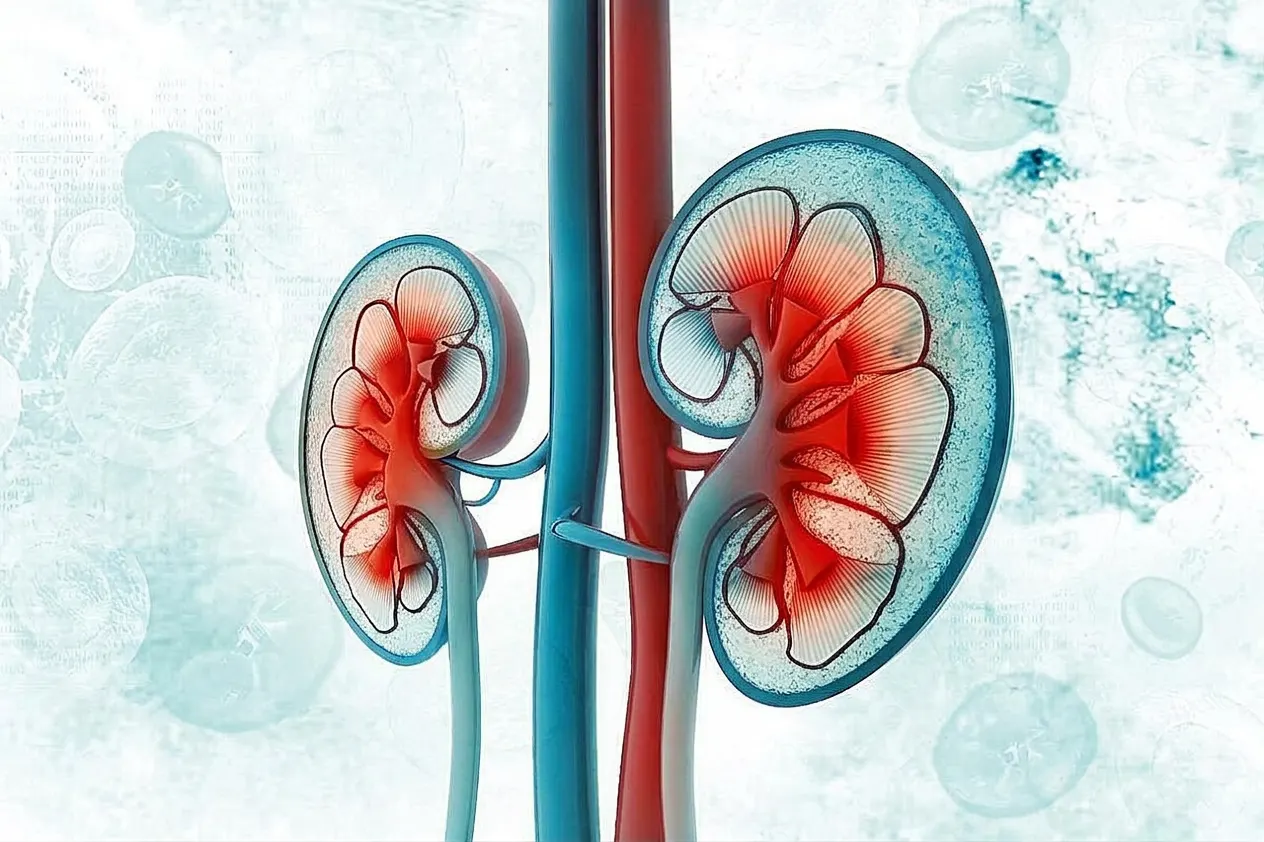

Let's be honest. Managing a chronic condition like chronic kidney disease is a full-time job. Between the appointments, the diet, and the meds, the last thing you want to worry about is whether you spent too much on a lab test. A new study published in the Journal of the American Medical Association might offer some relief for your wallet. Researchers led by Ashish Verma from the Boston University Chobanian & Avedisian School of Medicine looked at a massive dataset to see if two very common tests are actually different enough to matter. You can check out the full details on the journal's website here.
The team analyzed data from 3742 participants in the Chronic Renal Insufficiency Cohort Study. They tracked these patients for a median of 15.0 years. That is a long time to stare at a wall. During that period, they looked at three critical outcomes for the participants. Kidney failure happened to 32.3 percent of the group. Another 39.6 percent saw their condition progress. And 31.5 percent dealt with a composite of heart issues. To find out more about the background of this research, visit the nephrology news section.
The core question was whether the Urinary Albumin-Creatinine Ratio (UACR) and the Urinary Protein-Creatinine Ratio (UPCR) predicted these outcomes differently. The numbers suggest they do not. Log-transformed versions of both ratios were strongly correlated. The risk of kidney failure was 3.00 times higher for one and 2.75 times higher for the other per standard deviation. But when it came to accuracy, the difference was tiny. The five-year time-dependent area under the curve was 0.894 for UACR and 0.899 for UPCR. A difference of less than 0.01 is basically a rounding error in medicine.
This means you do not have to stress if your doctor suggests the protein test because the albumin one is out of stock or budget. The authors write that the UPCR can be used without meaningful loss of information. They emphasize that both markers are valuable. But if money is tight, you do not need to worry about missing out on prognostic value by choosing the cheaper option. You can read the peer-reviewed findings here to see exactly how the researchers reached this conclusion.
Advertisement
Science reporting like this relies on good editing to make sure the complicated medical jargon is digestible. The piece was put together by copy editor Gaby Clark and writer Robert Egan. Gaby has a background in higher education and English, while Robert brings a unique perspective from his math biology background. They work to ensure stories on science are trustworthy and accurate. For more about how these stories come together, you can check out their profiles.
First reported by Medical Xpress.
The Cali Reporter newsletter
The stories worth your time.
California, the country, and what comes next. Join our free newsletter for reporting that keeps you informed.
More in Health & Medicine
- Brain Energy Mismatches in Schizophrenia
A new study explores the potential role of energy bottlenecks in brain cells in explaining fragmented experiences of time, space, and self in schizophrenia.
- Brazil Reports First Mpox Death in 2026
Brazil has recorded its first mpox-related death in 2026, but public health officials are not classifying the current surge in cases as an outbreak, according to the Fiocruz Institute.
- Personalized Therapies for IBD May Target Specific Harmful Gut Bacteria
A study led by Dr. Lukas Mager and Prof. Kathy McCoy has identified two gut bacteria that promote inflammation in inflammatory bowel disease, opening the door for personalized treatments.